10 Fun Facts about Quaker Parrots
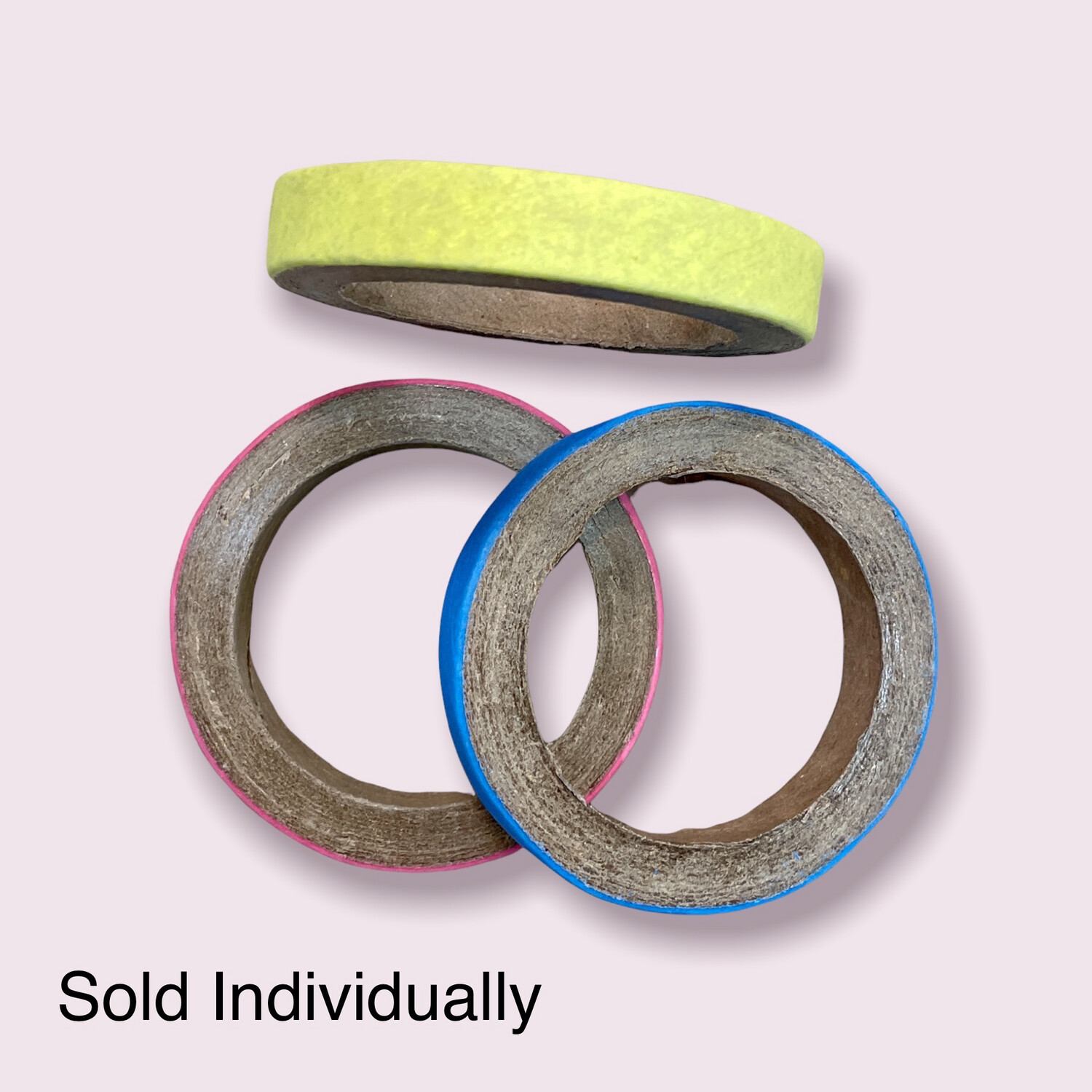
Birdie Bagels 3"
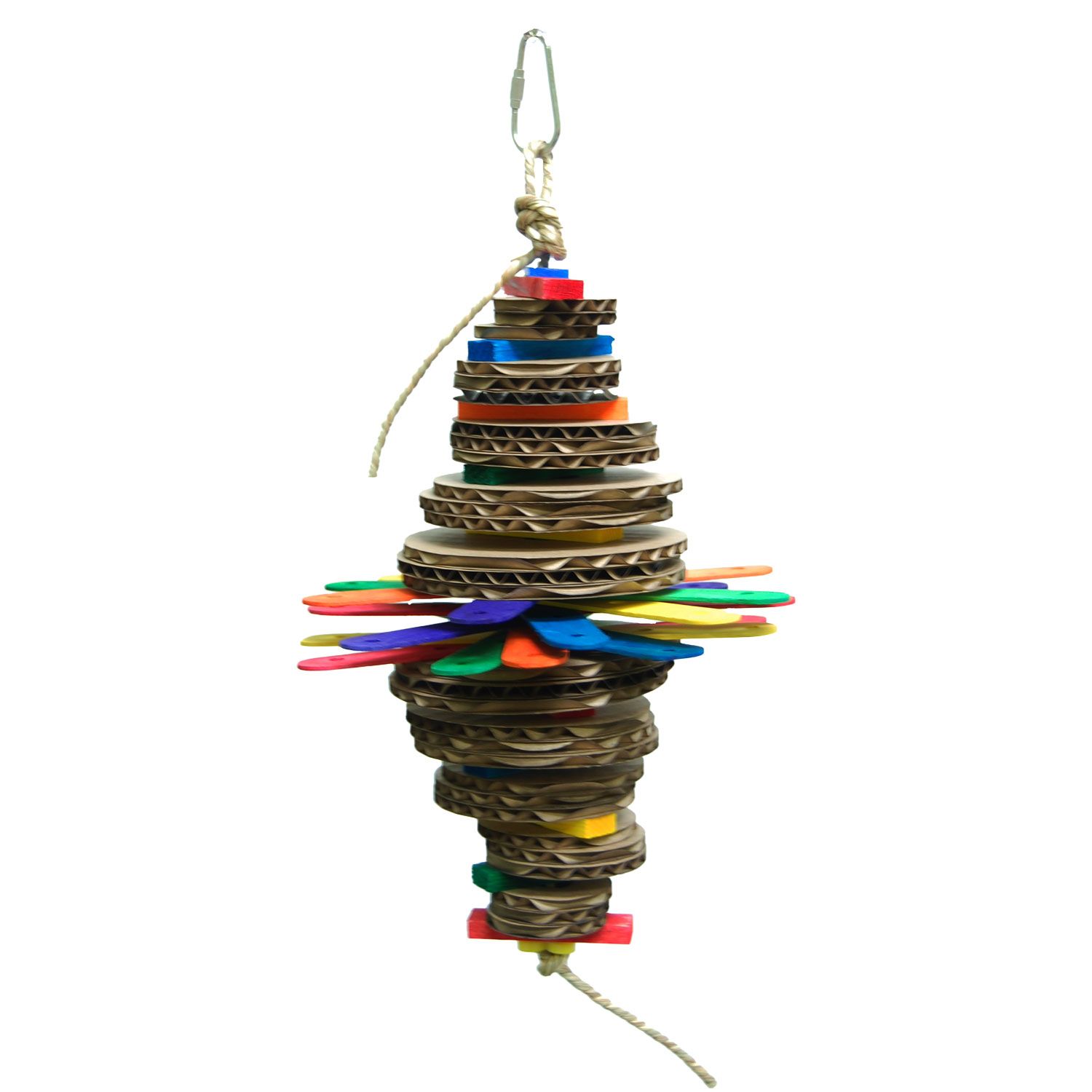
Mini Hubble
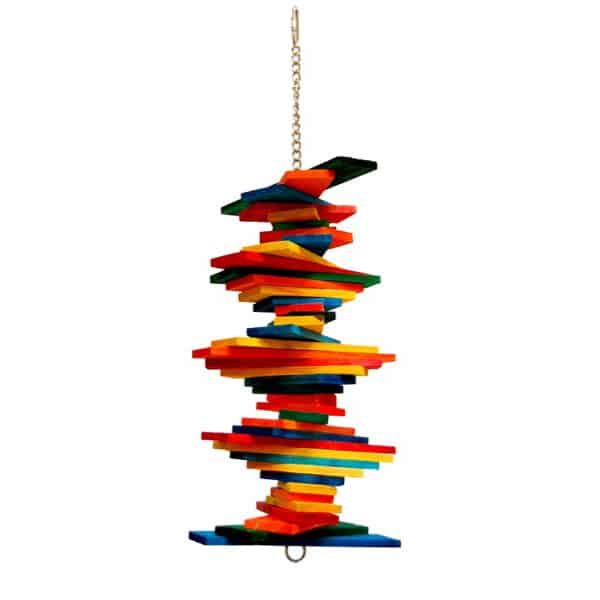
Pharaon Medium
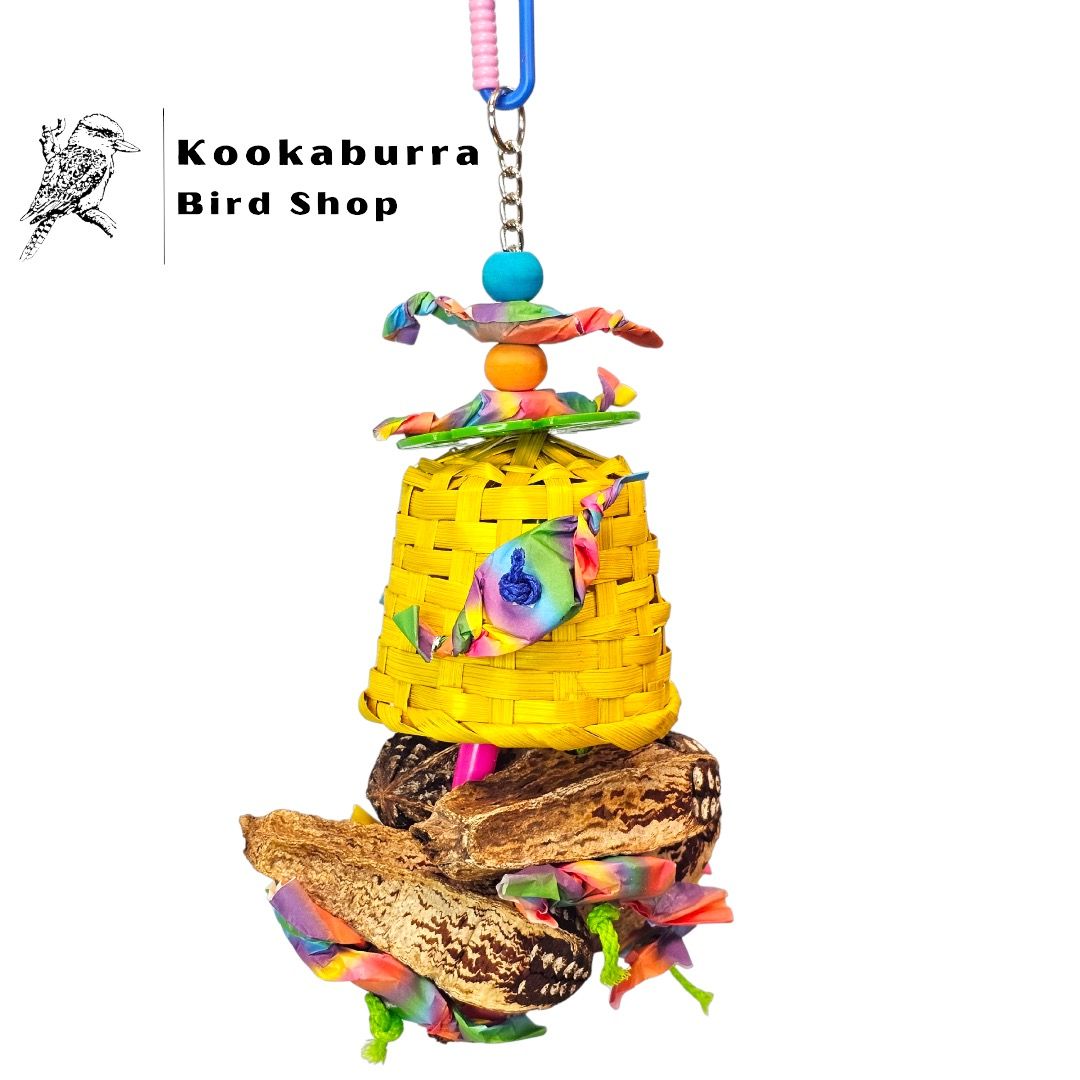
Sugar Bell
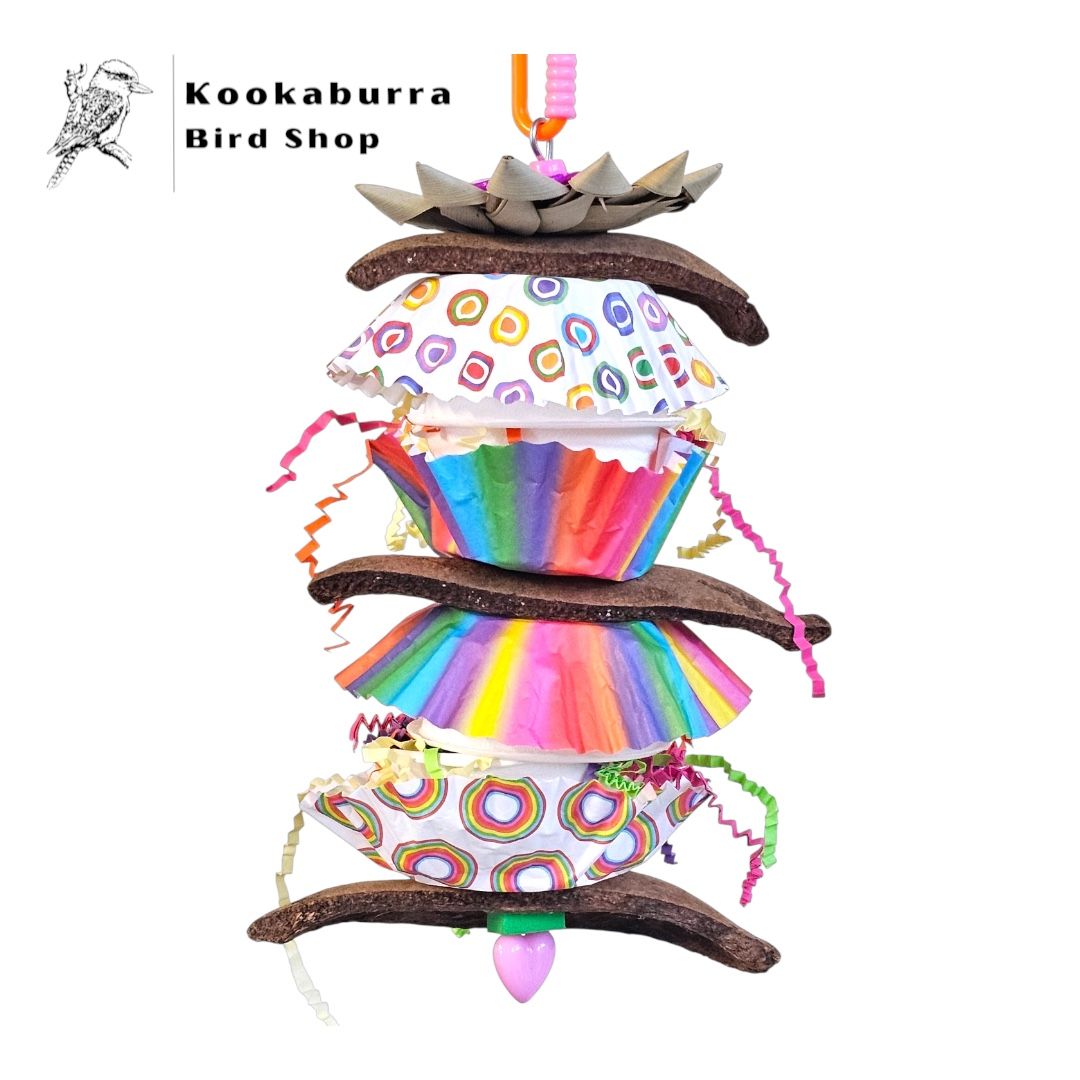
Carnival Crunch
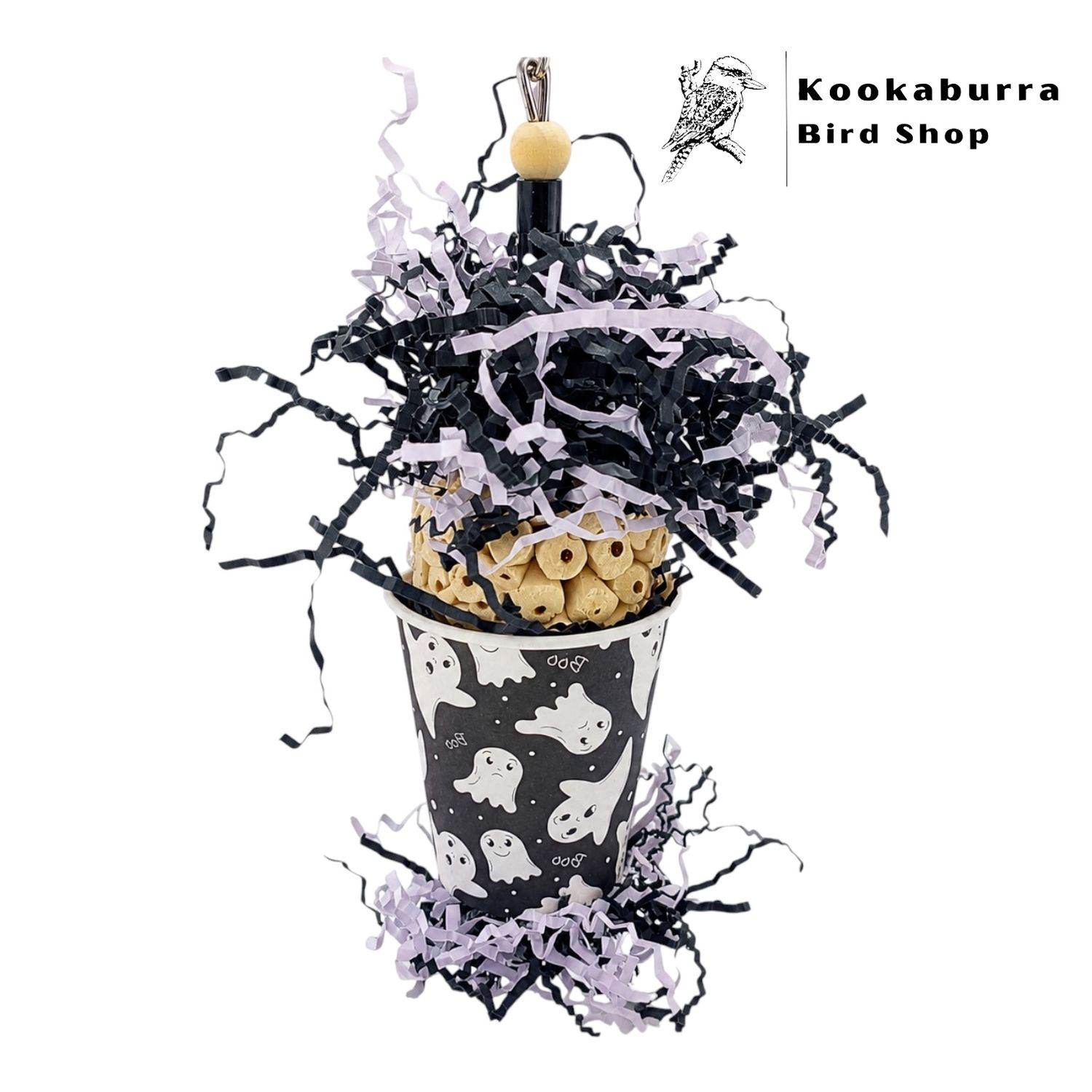
Ghost Jumble
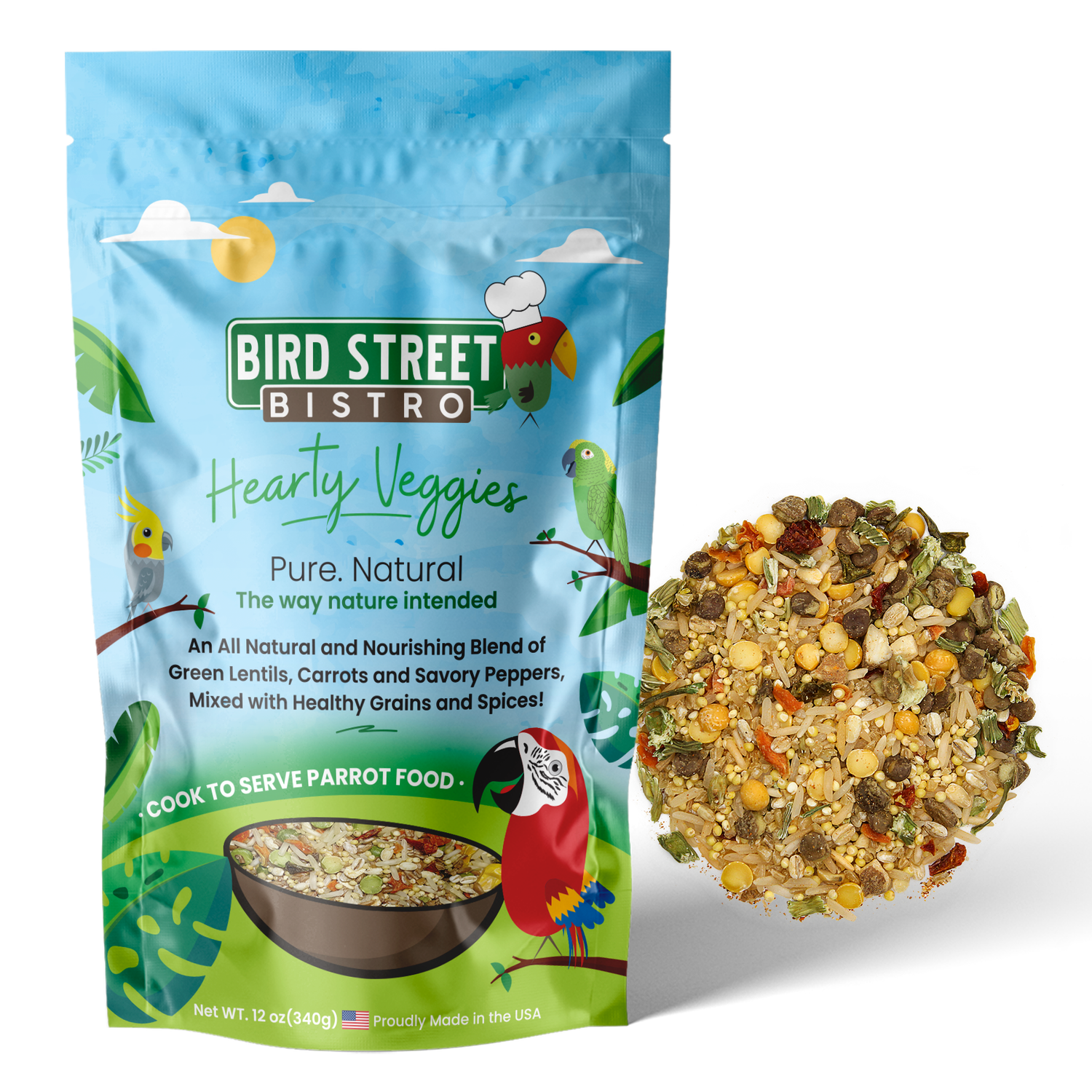
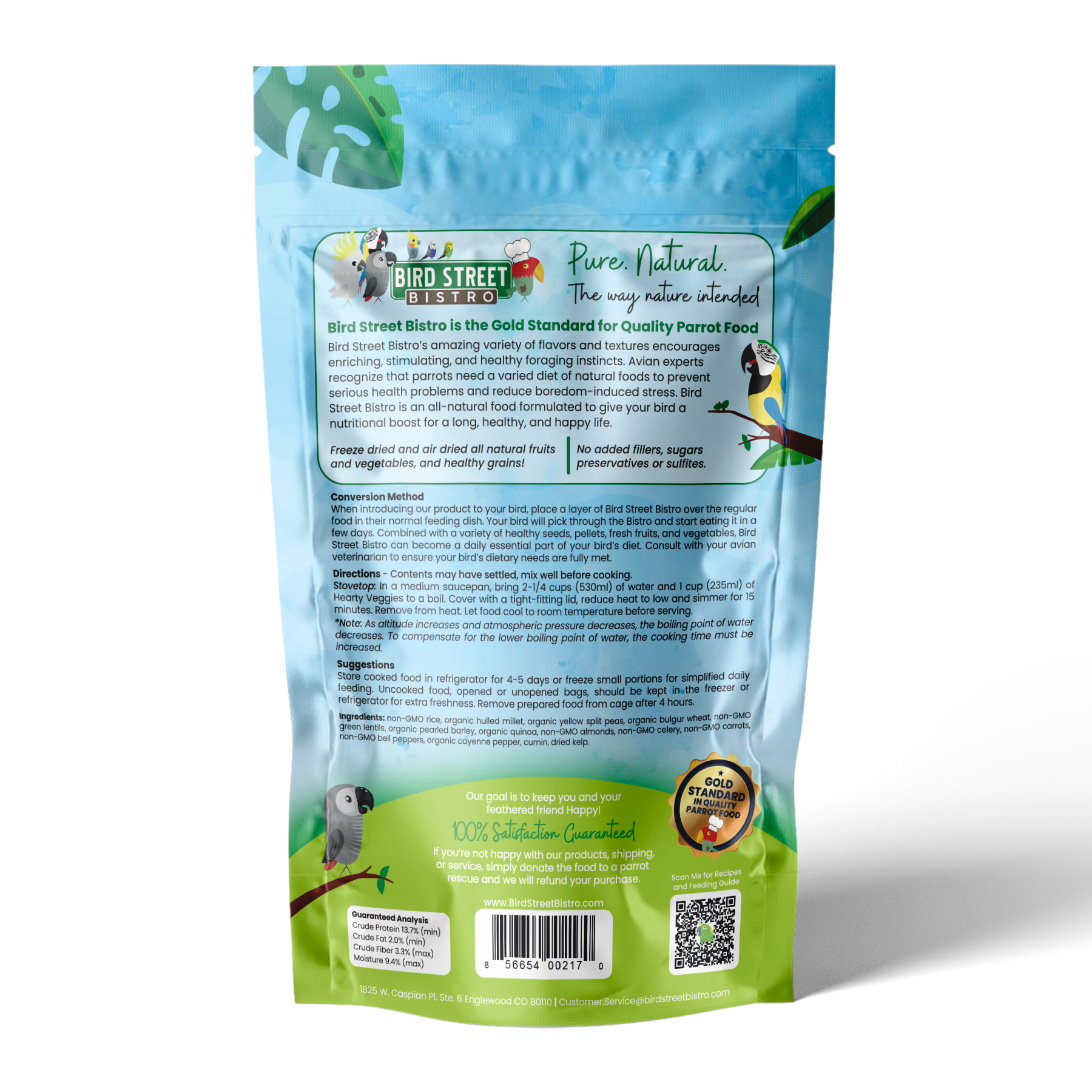
12 oz Hearty Veggies
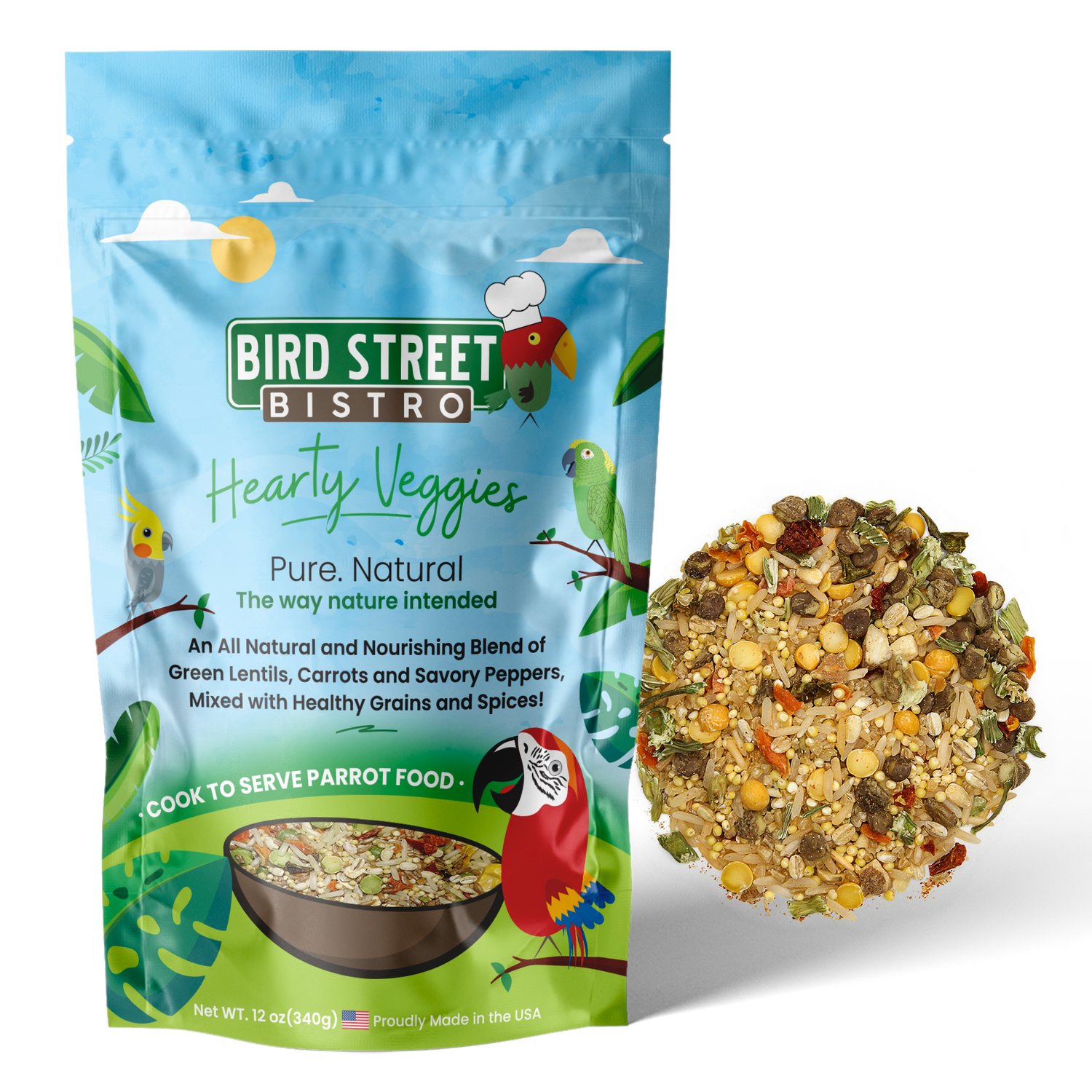
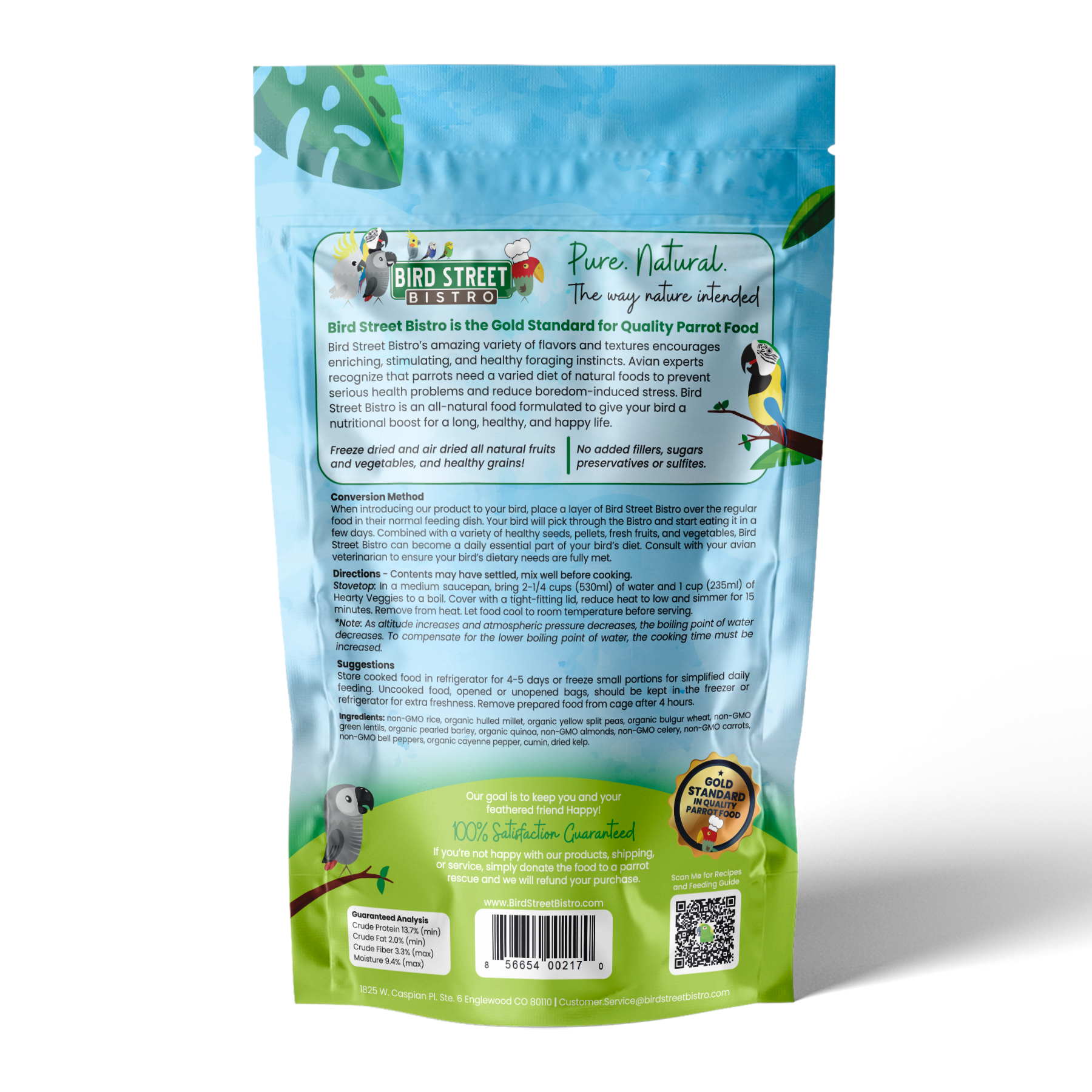
20 oz Hearty Veggies
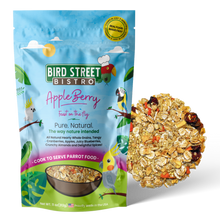
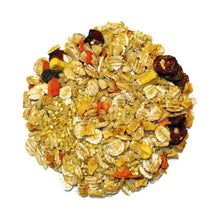
11 oz AppleBerry - Feast on the Fly
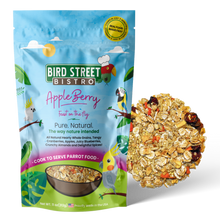
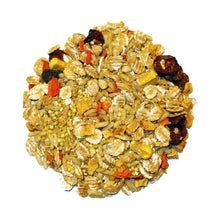
18 oz AppleBerry Feast on the Fly
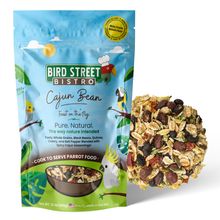
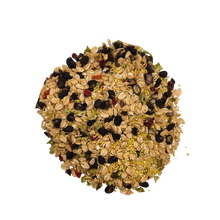
12 oz Cajun Bean - Feast on the Fly
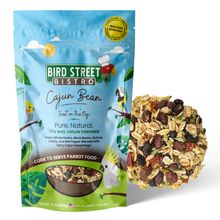
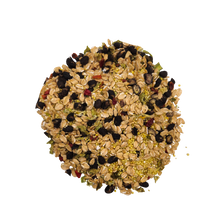
20 oz Cajun Bean - Feast on the Fly
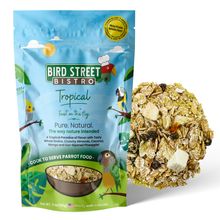
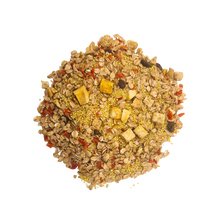
11 oz Tropical - Freast on the Fly
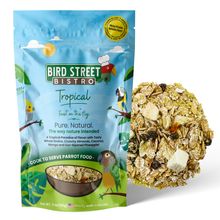
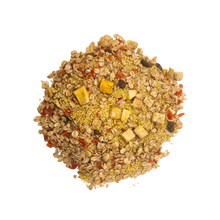
18 oz Tropical - Freast on the Fly
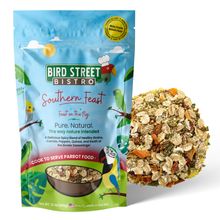
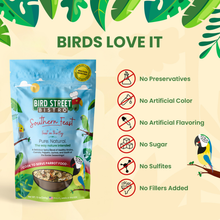
12 oz Southern Feast
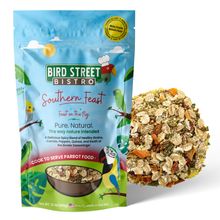
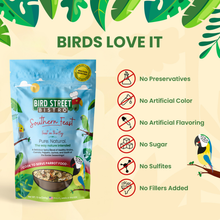
20 oz Southern Feast
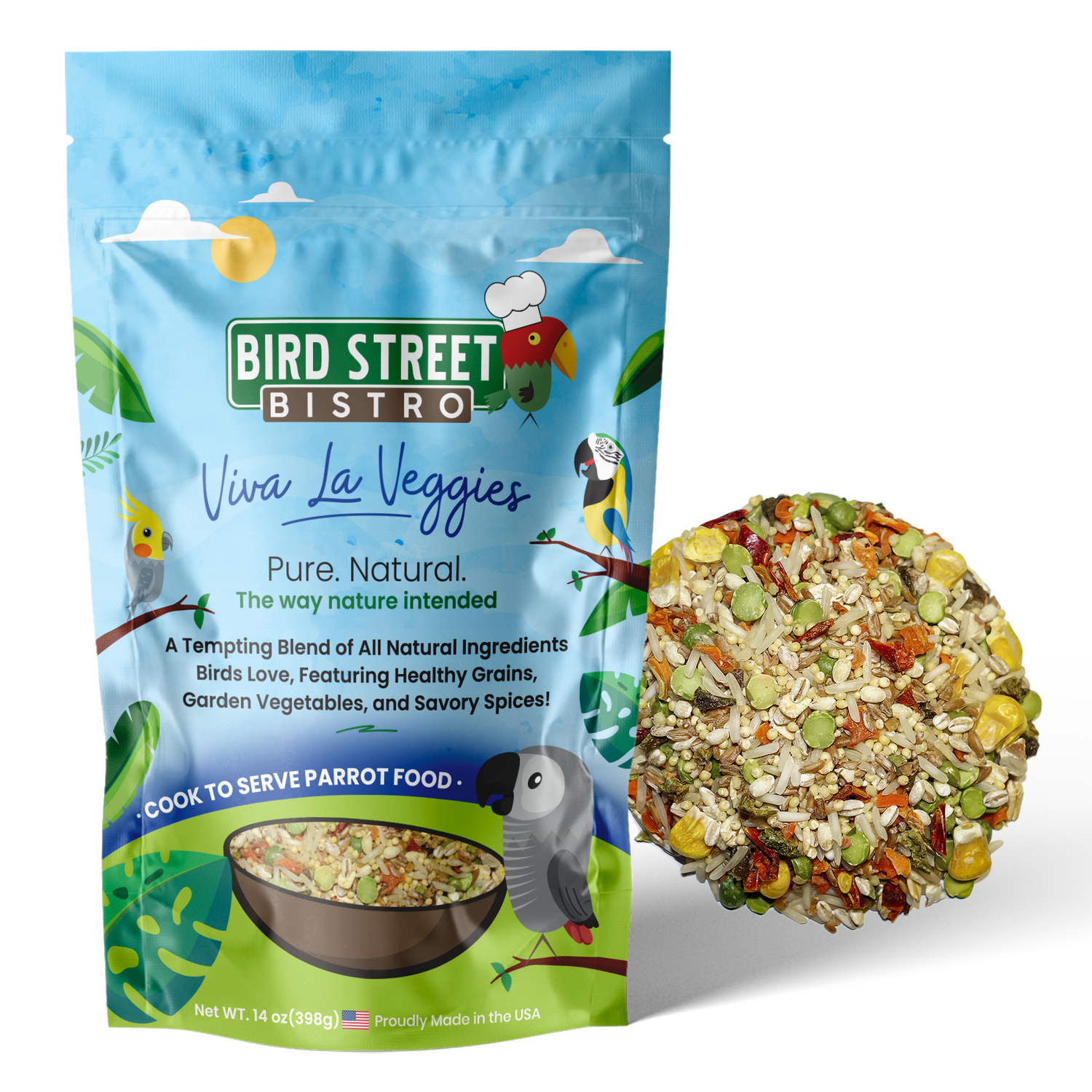
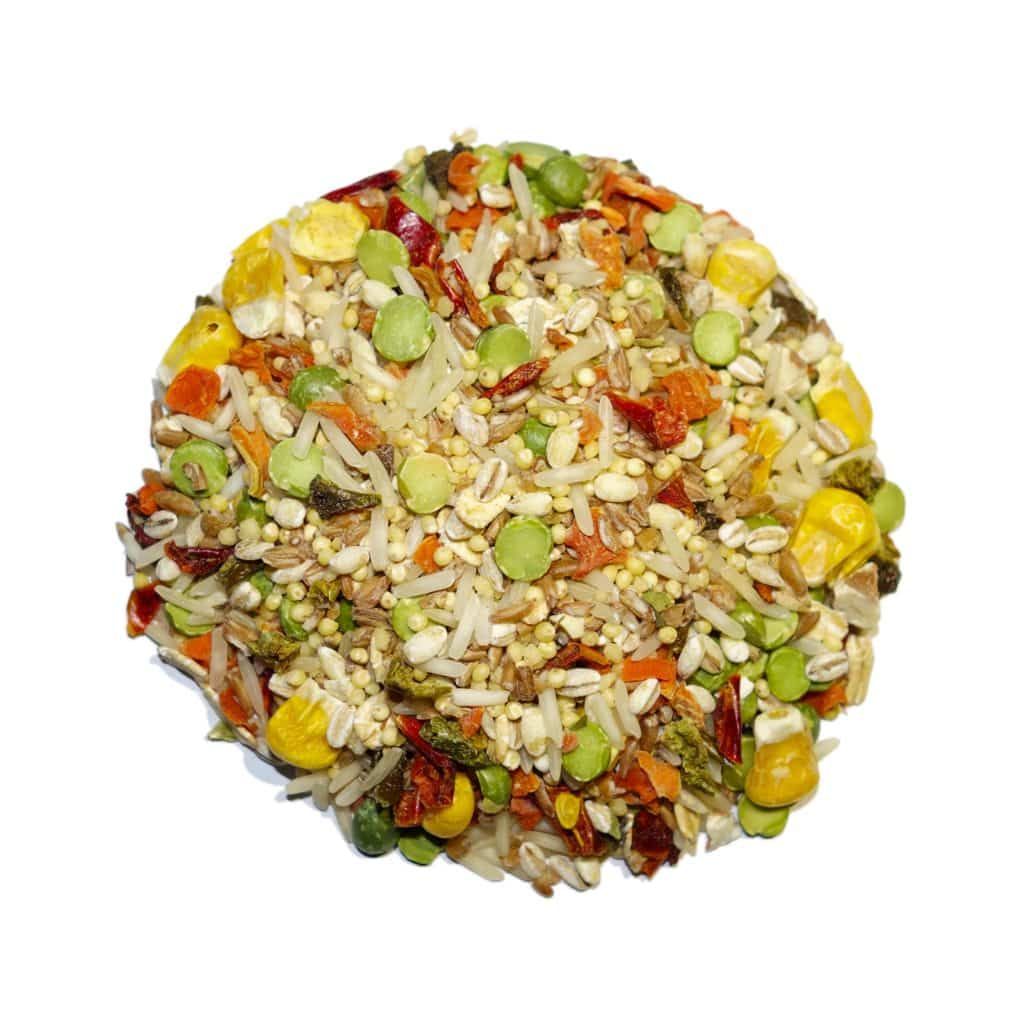
14 oz Viva La Veggies
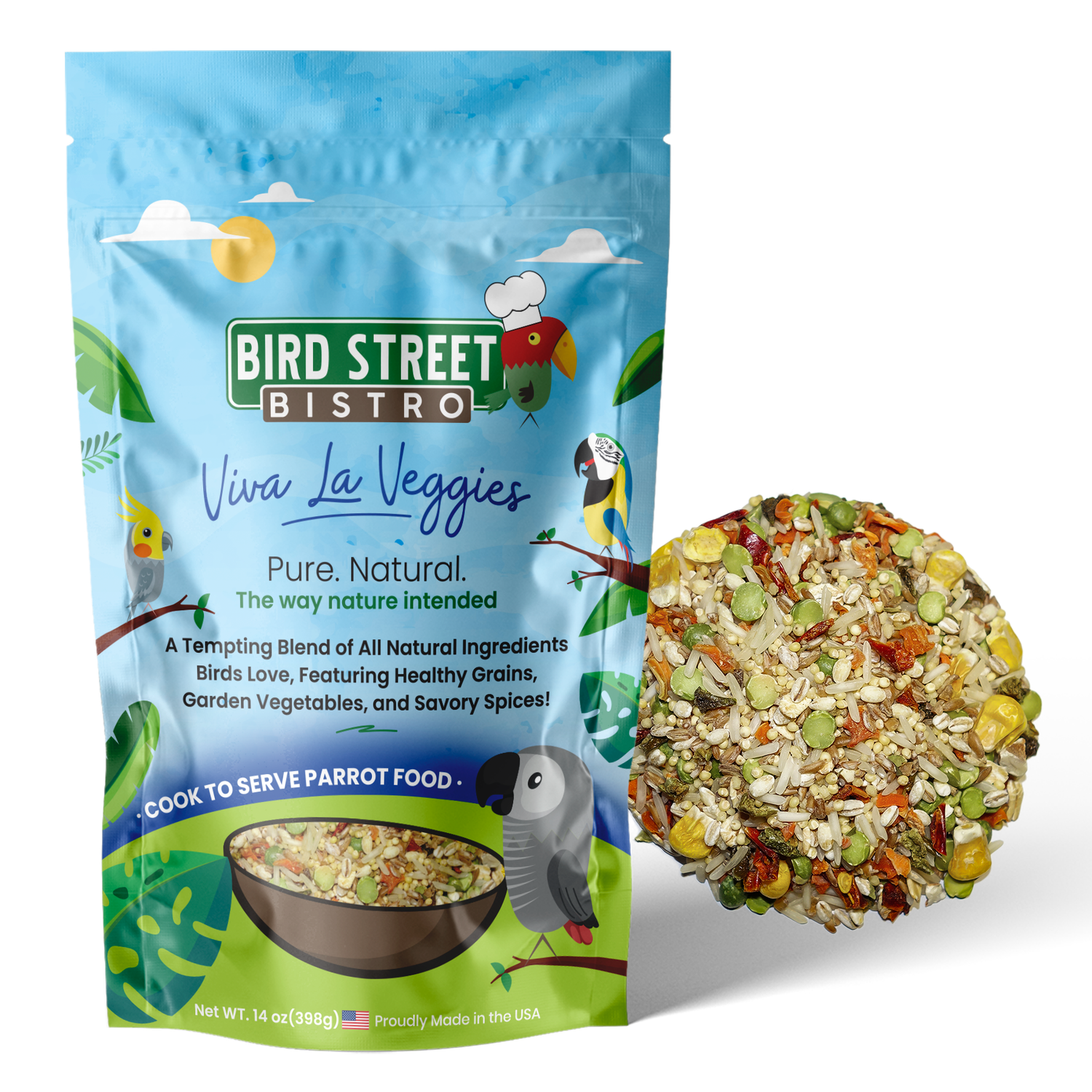
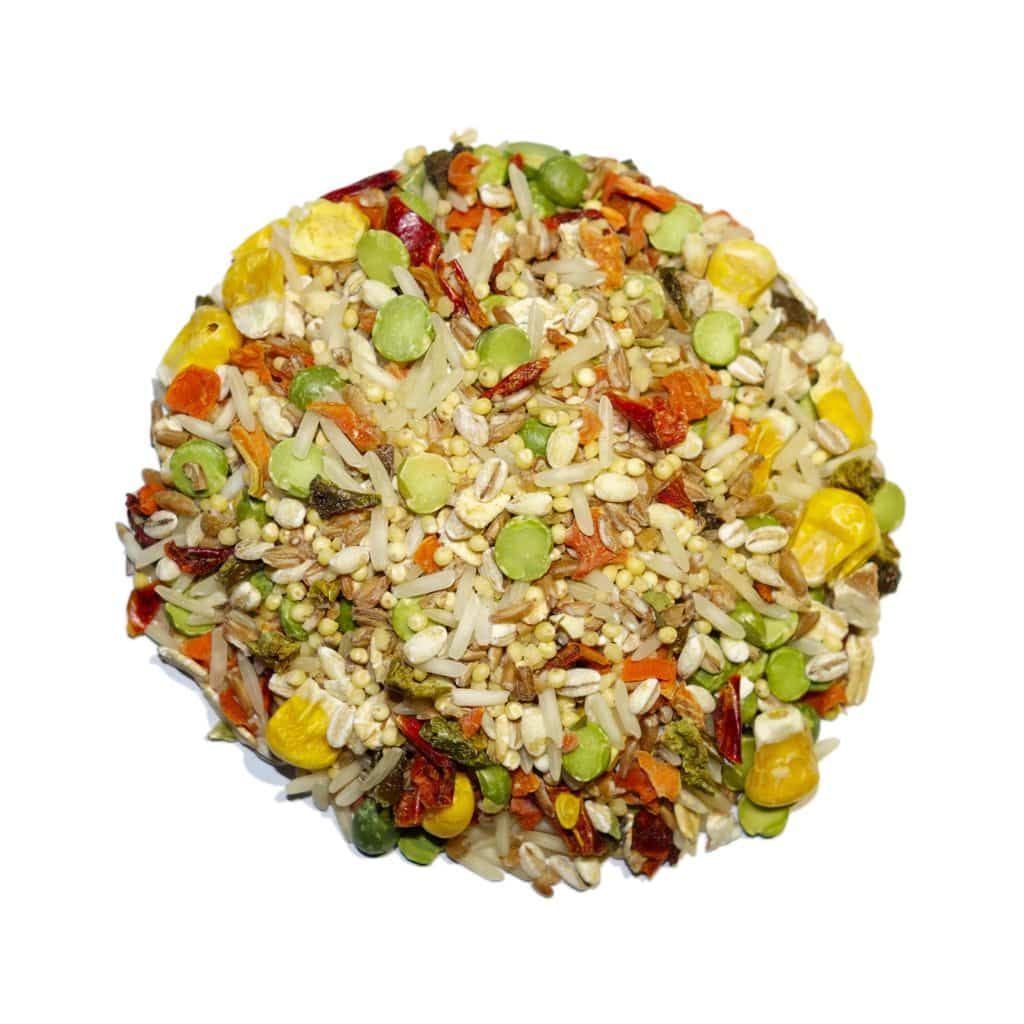
24 oz Viva La Veggies
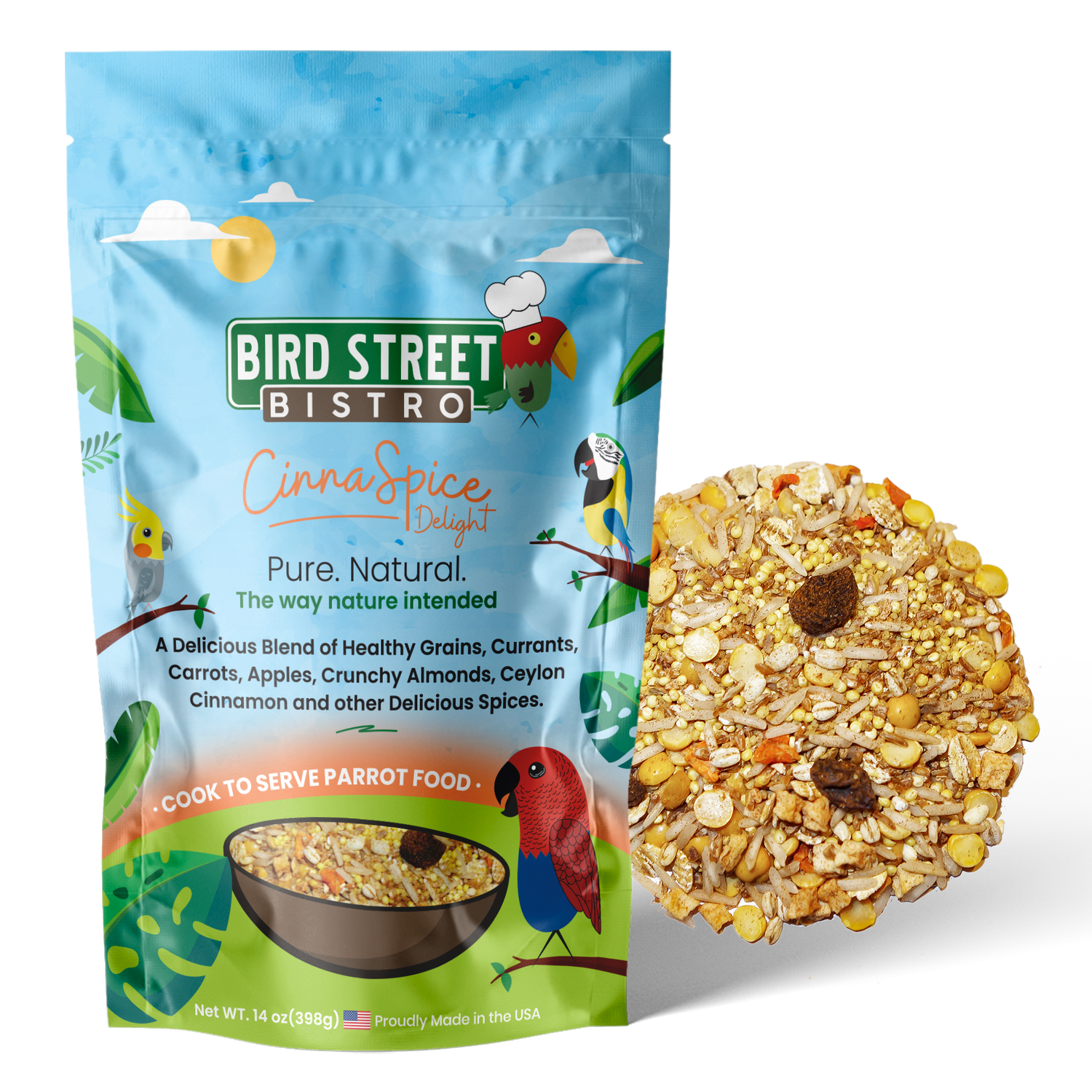
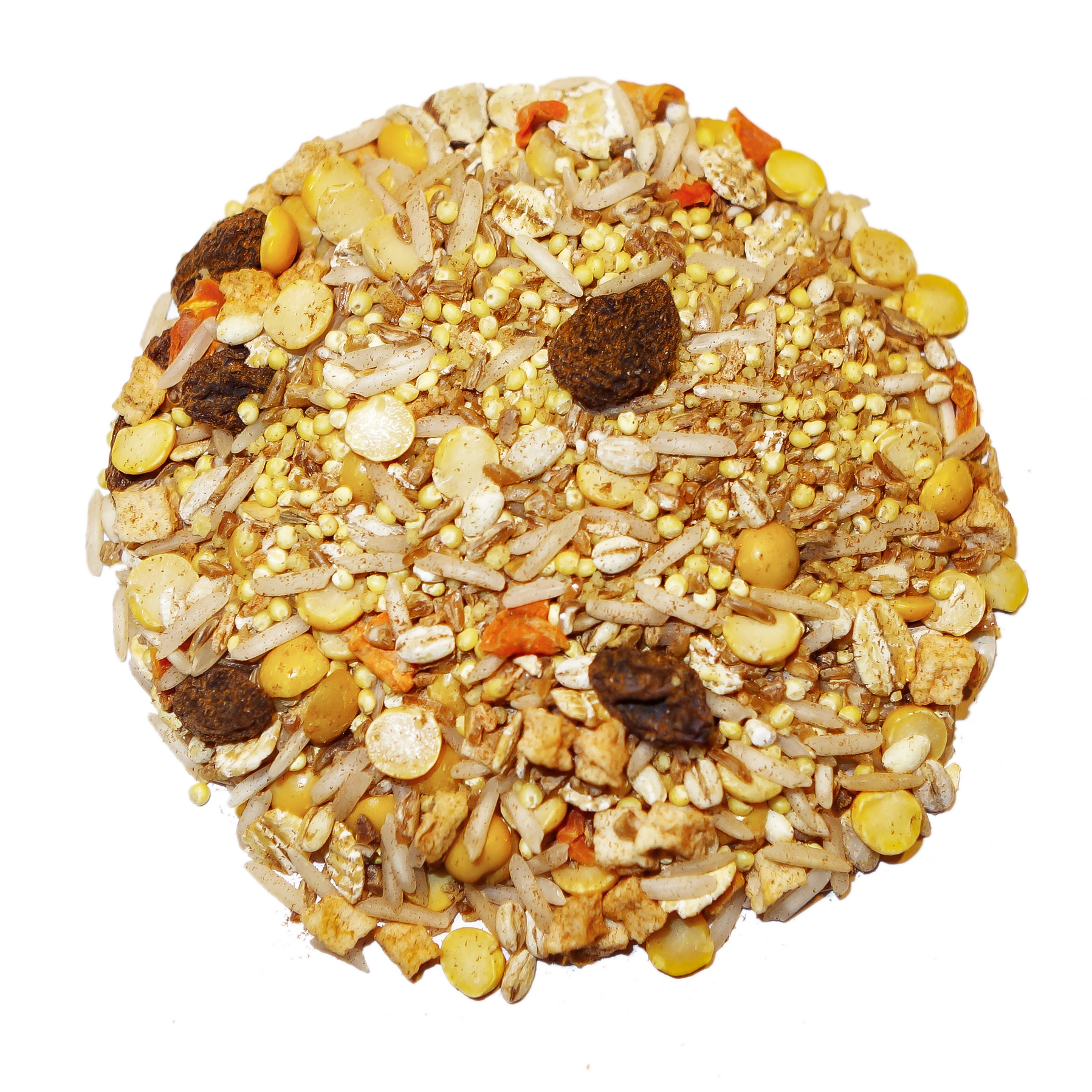
14 oz Cinnaspice Delight
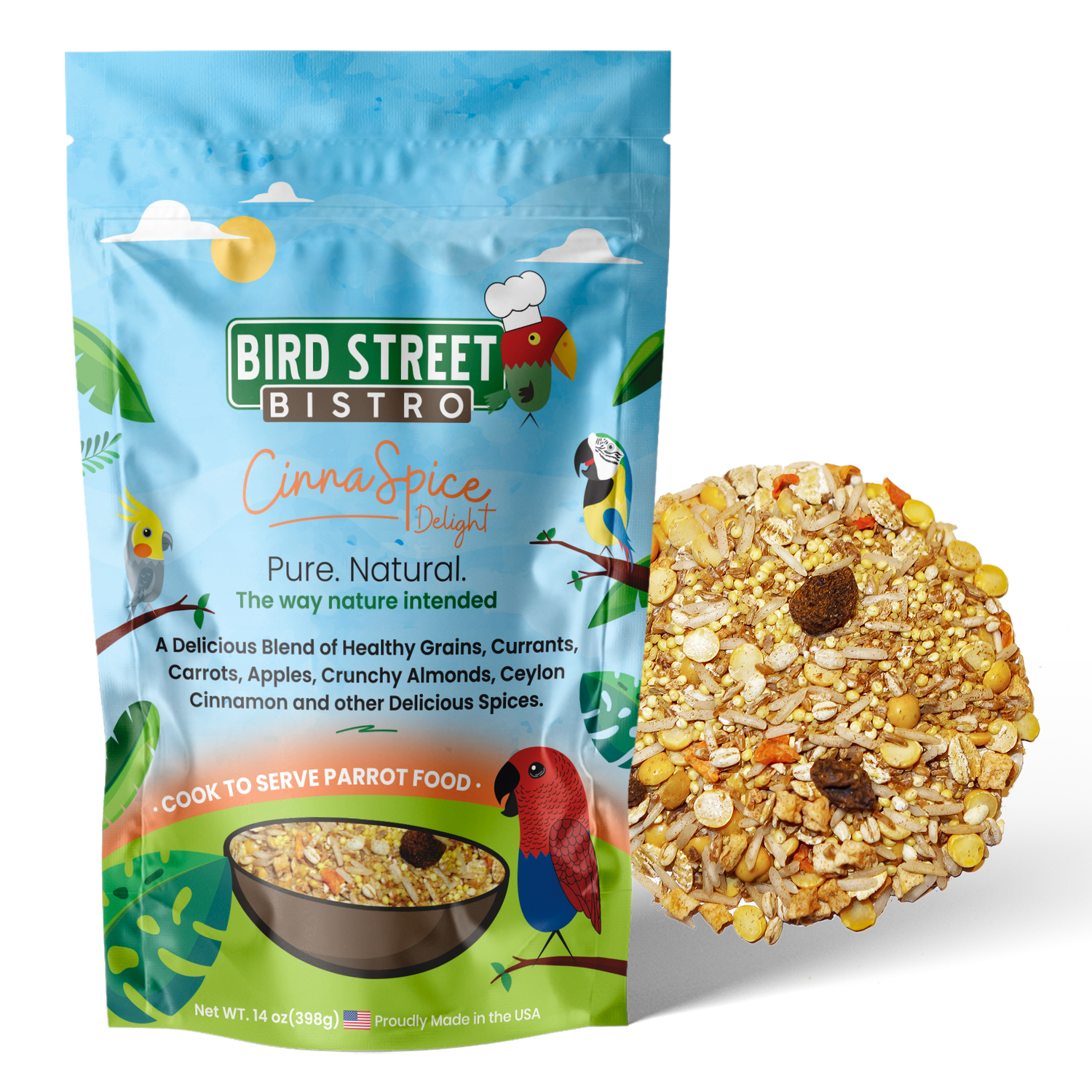
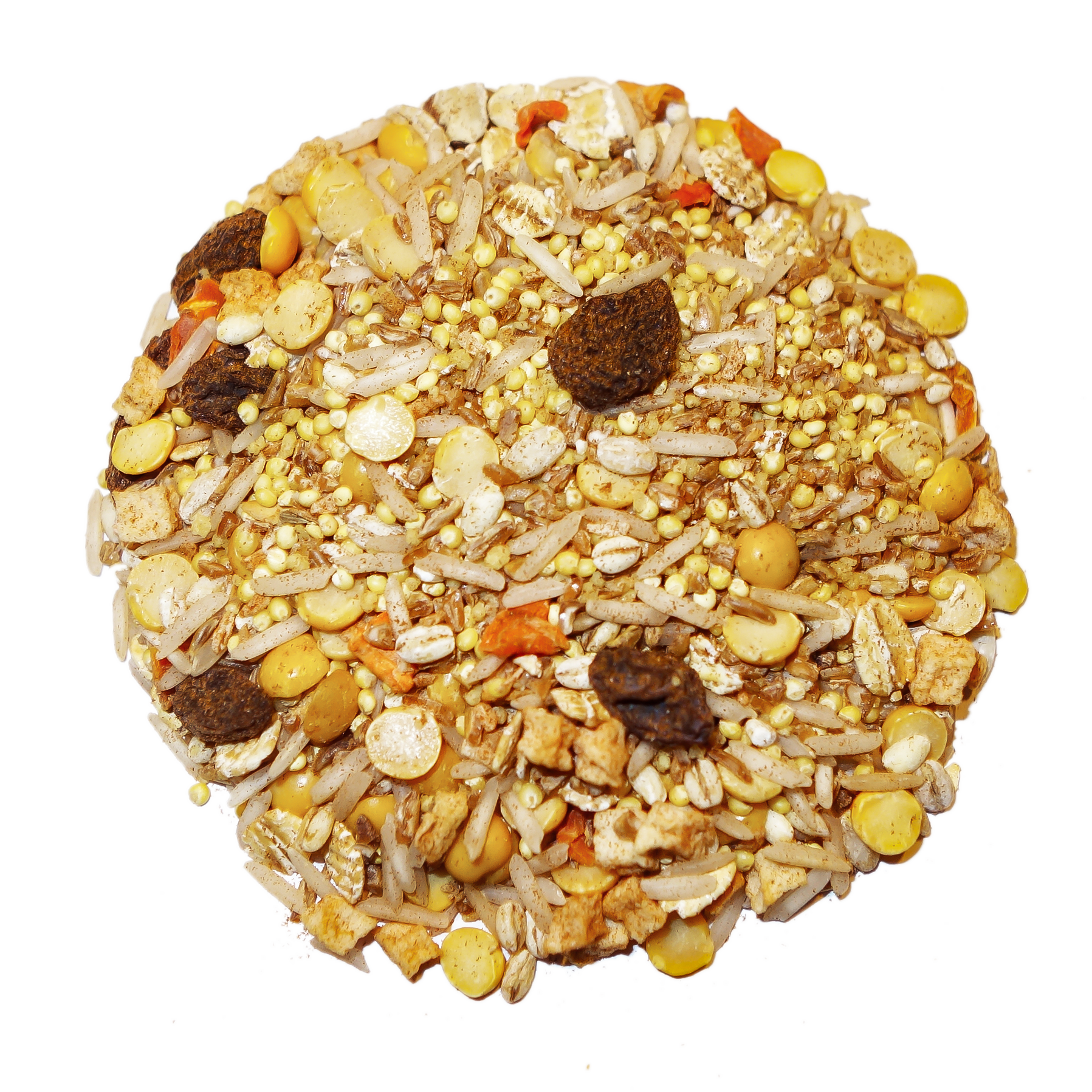
24 oz Cinnaspice Delight
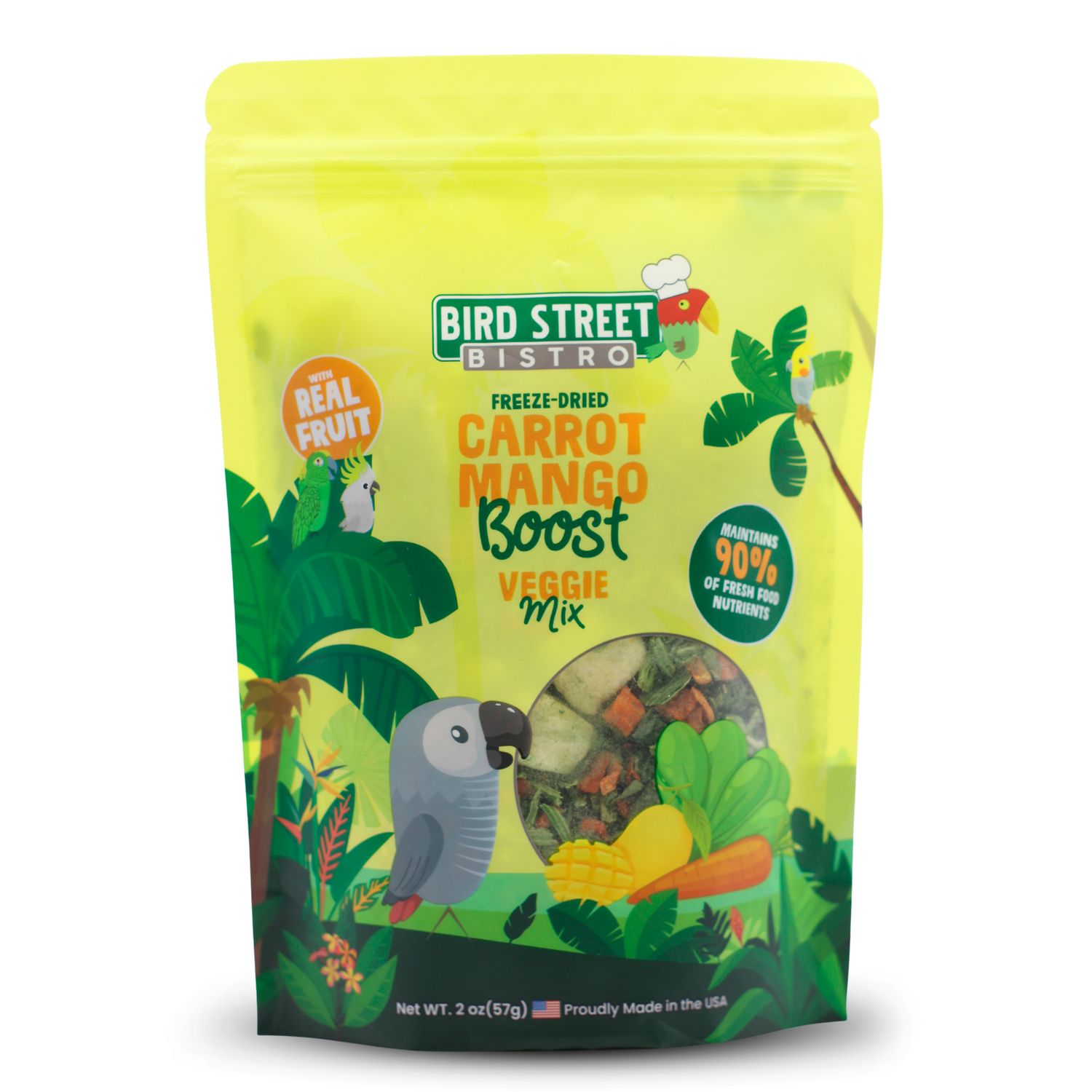
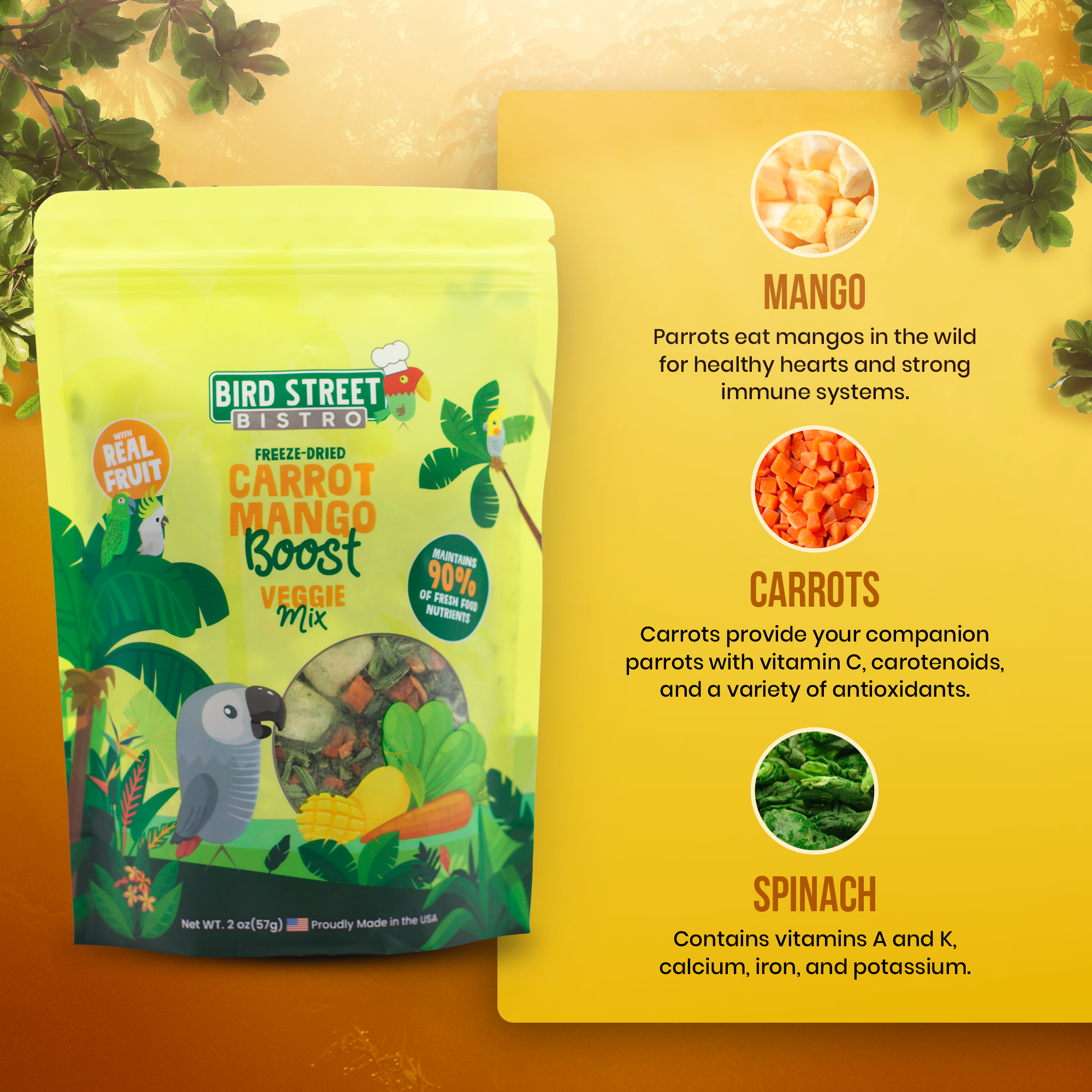
Carrot Mango Boost - Parrot Veggie Mix
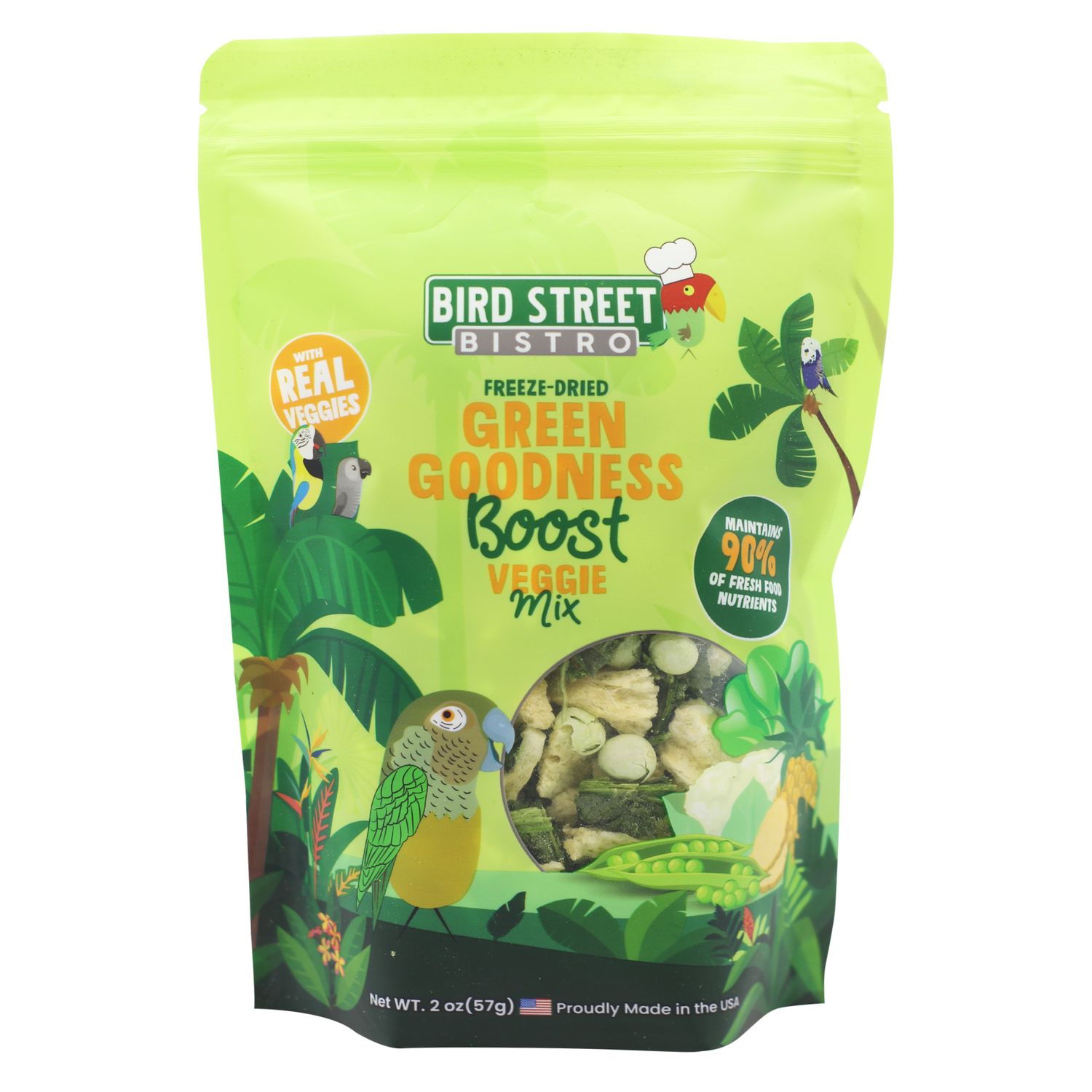
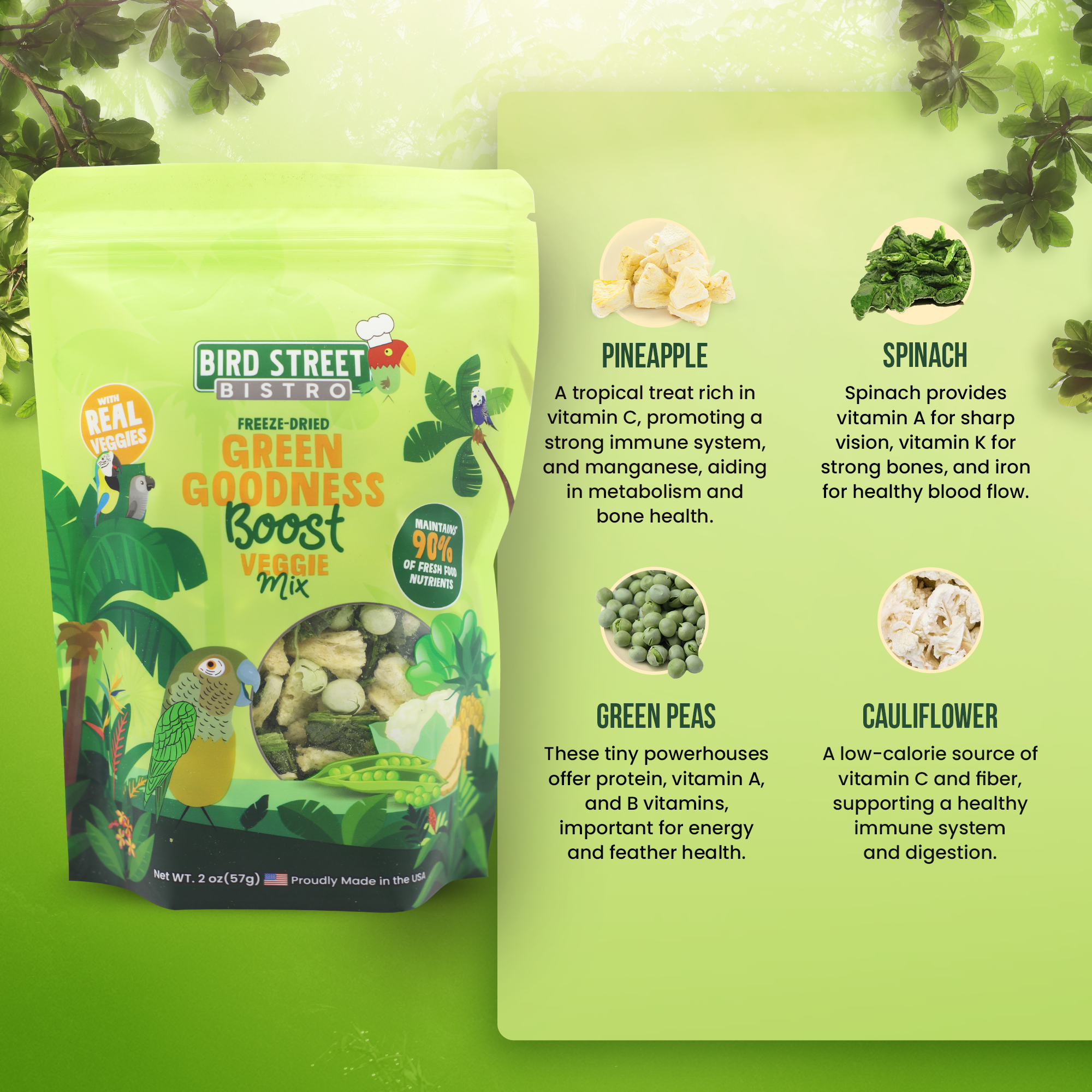
Green Goodness Boost - Parrot Veggie Mix
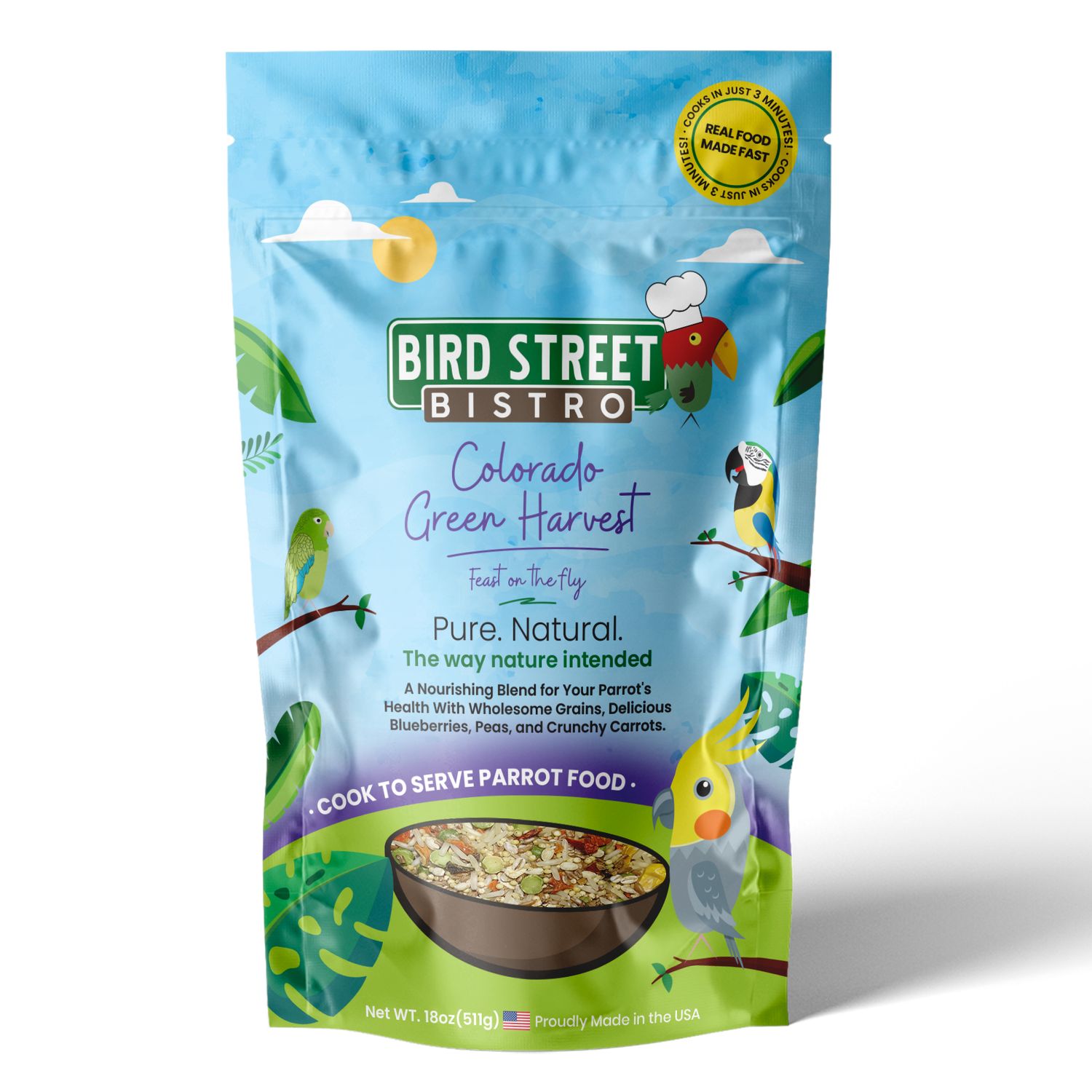
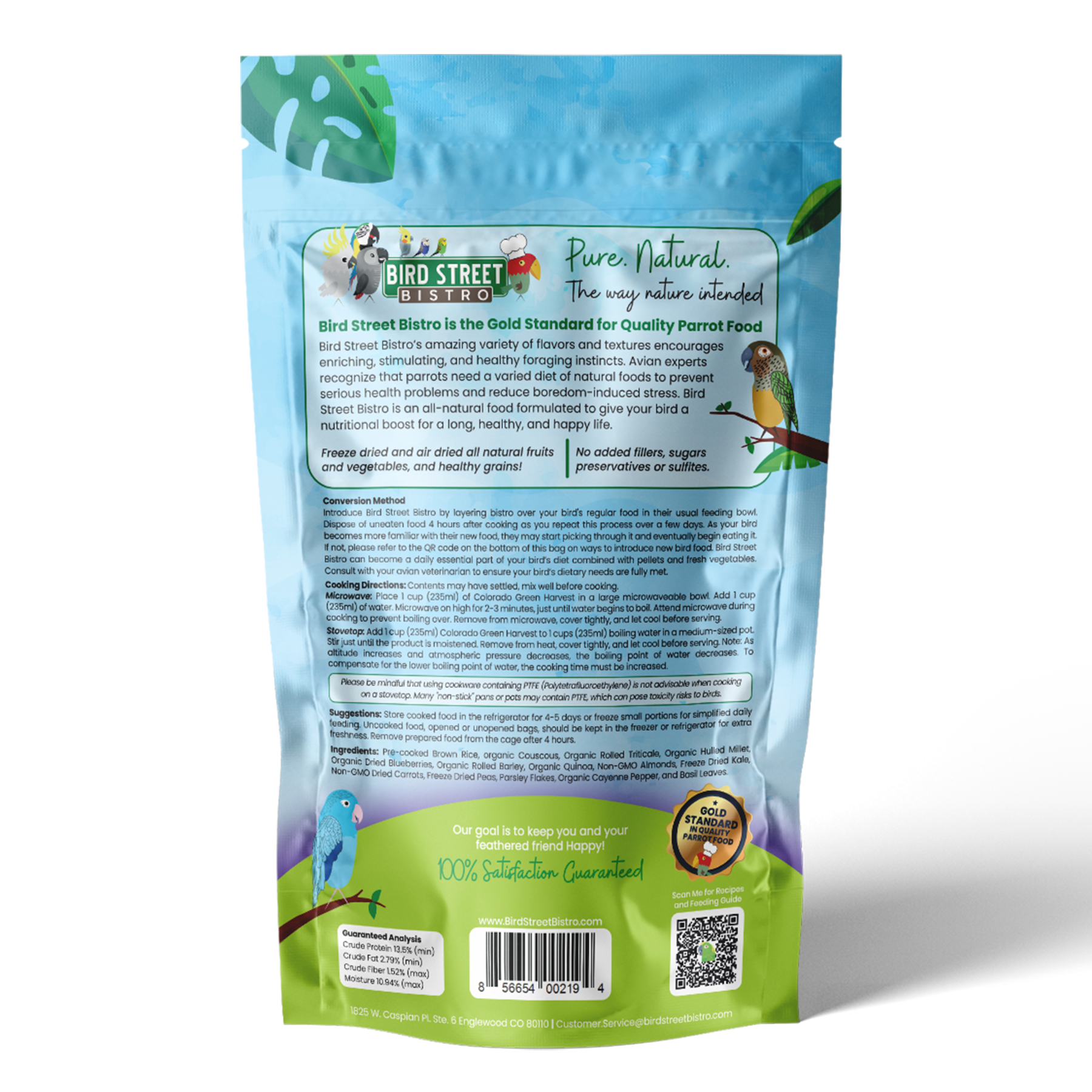
11 oz Colorado Green - Harvest Feast on the Fly
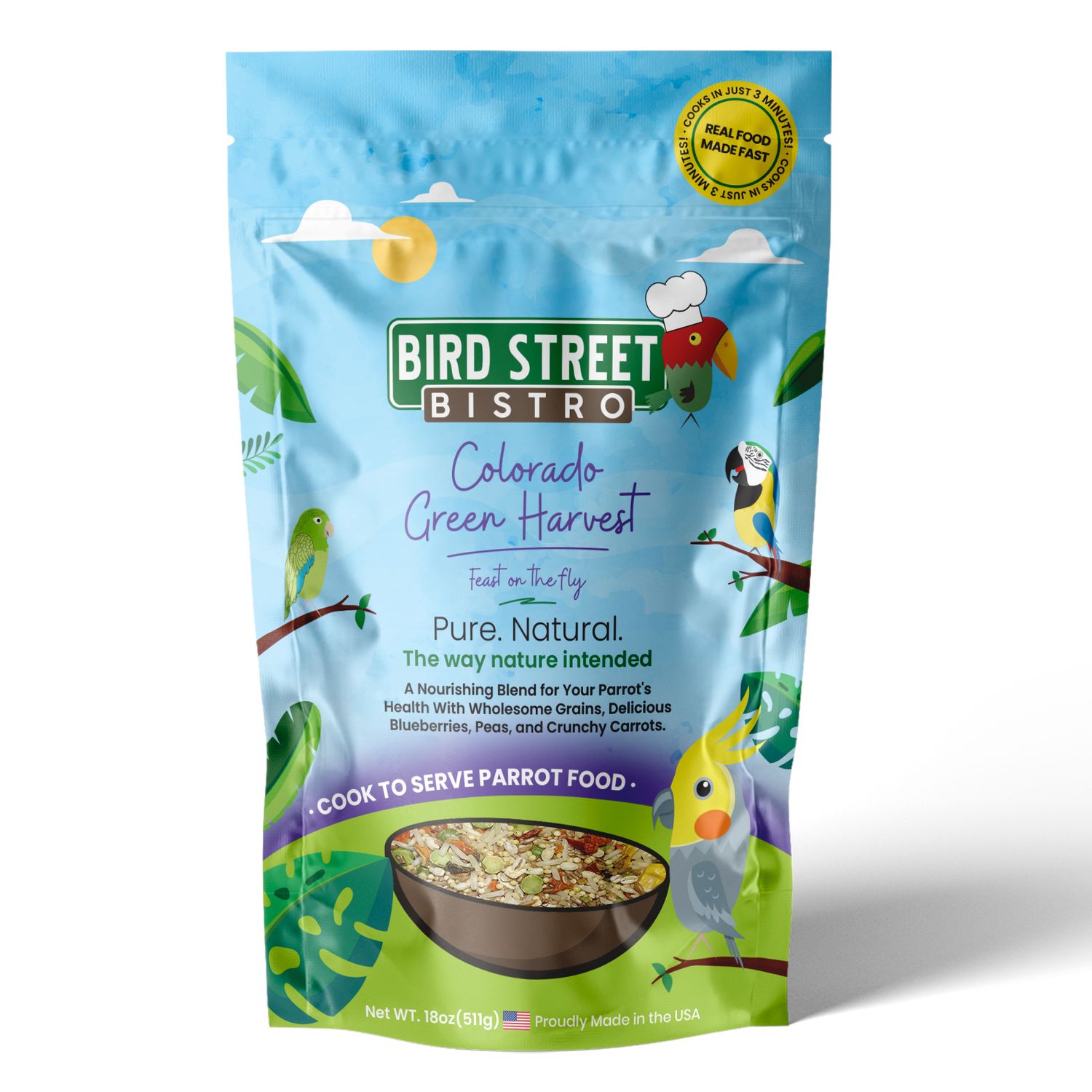
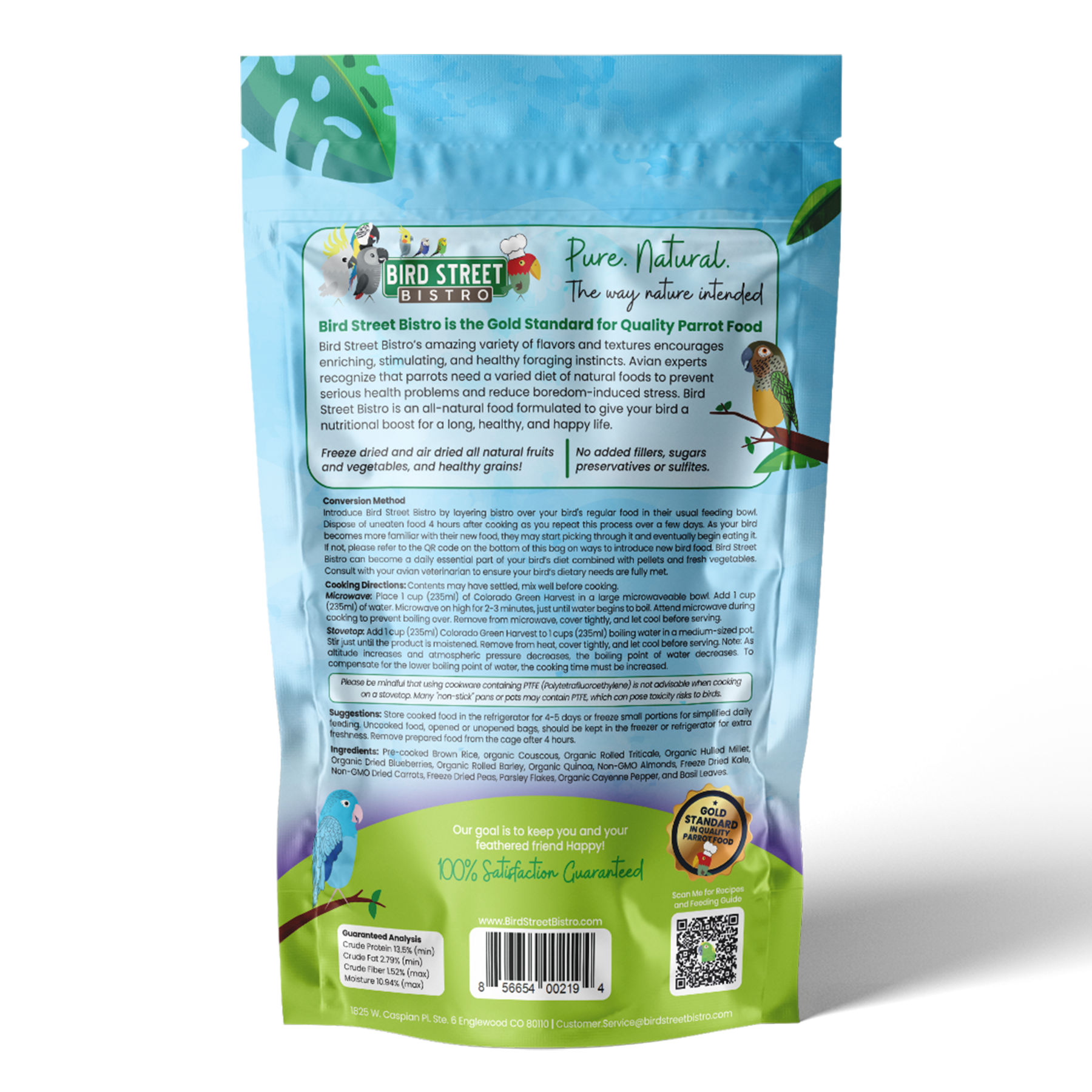
18 oz Colorado - Green Harvest Feast on the Fly
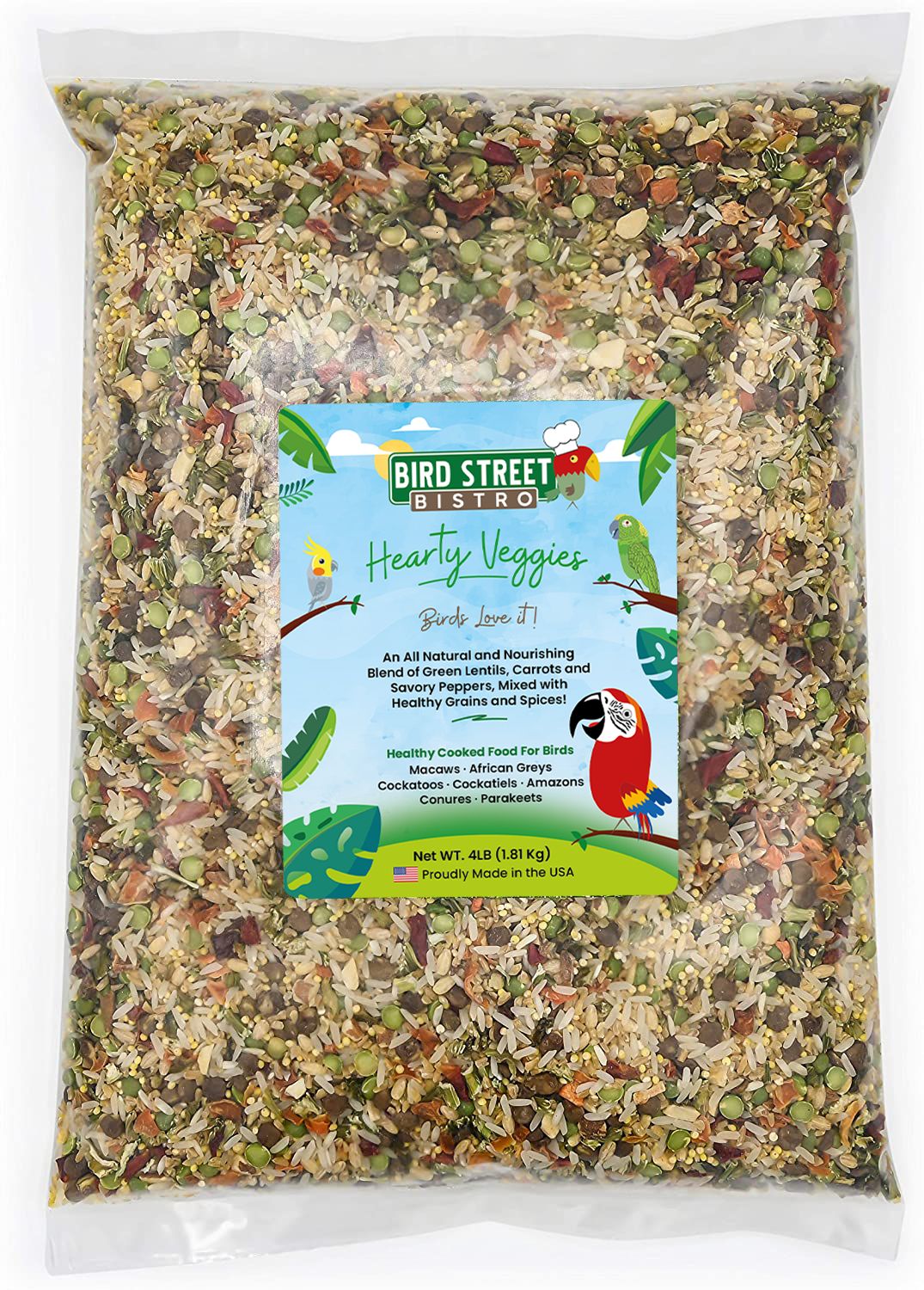
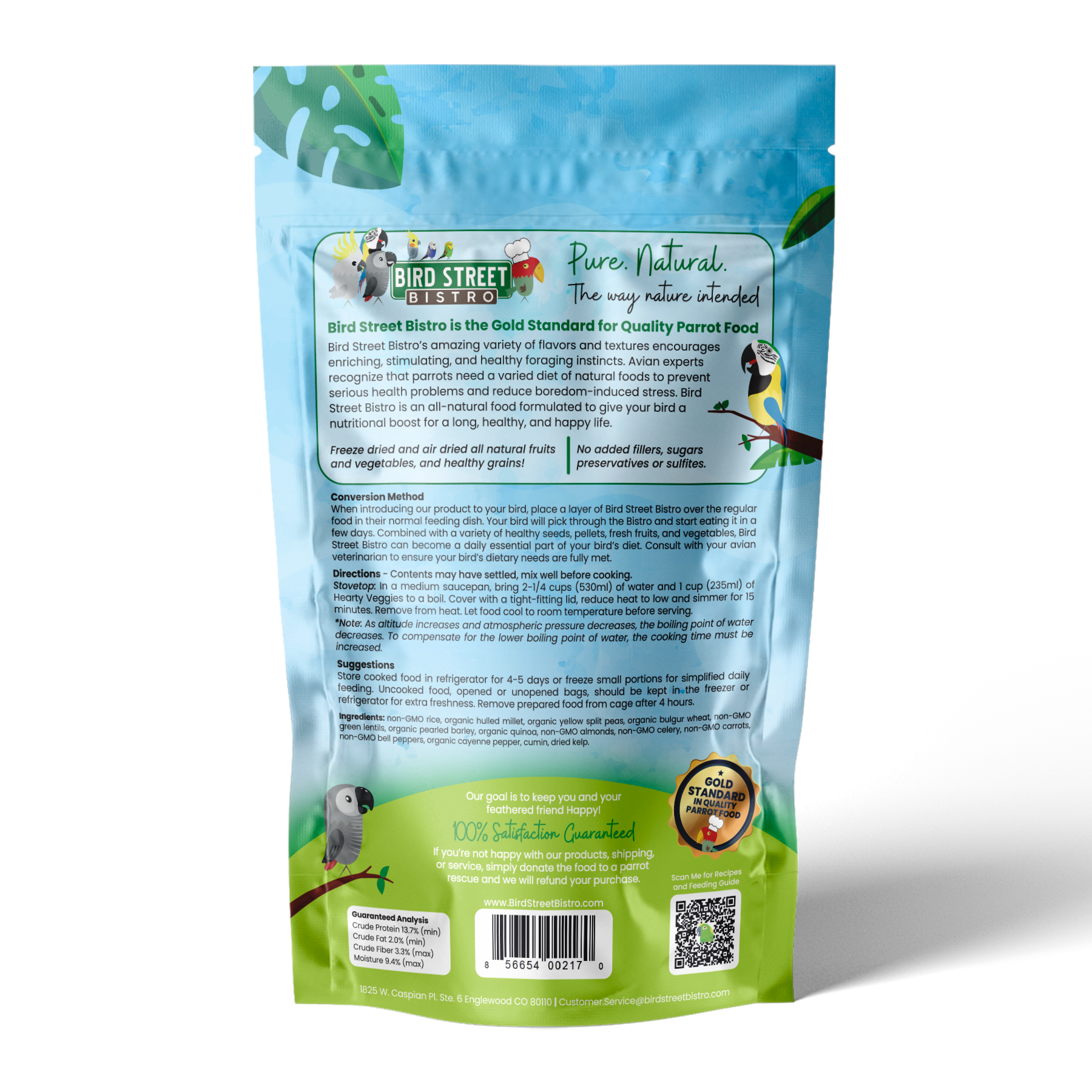
4 lb Hearty Veggies
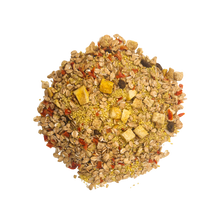
3.5 lb Tropical - Feast on the Fly
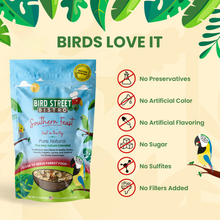
4 lb Southern Feast
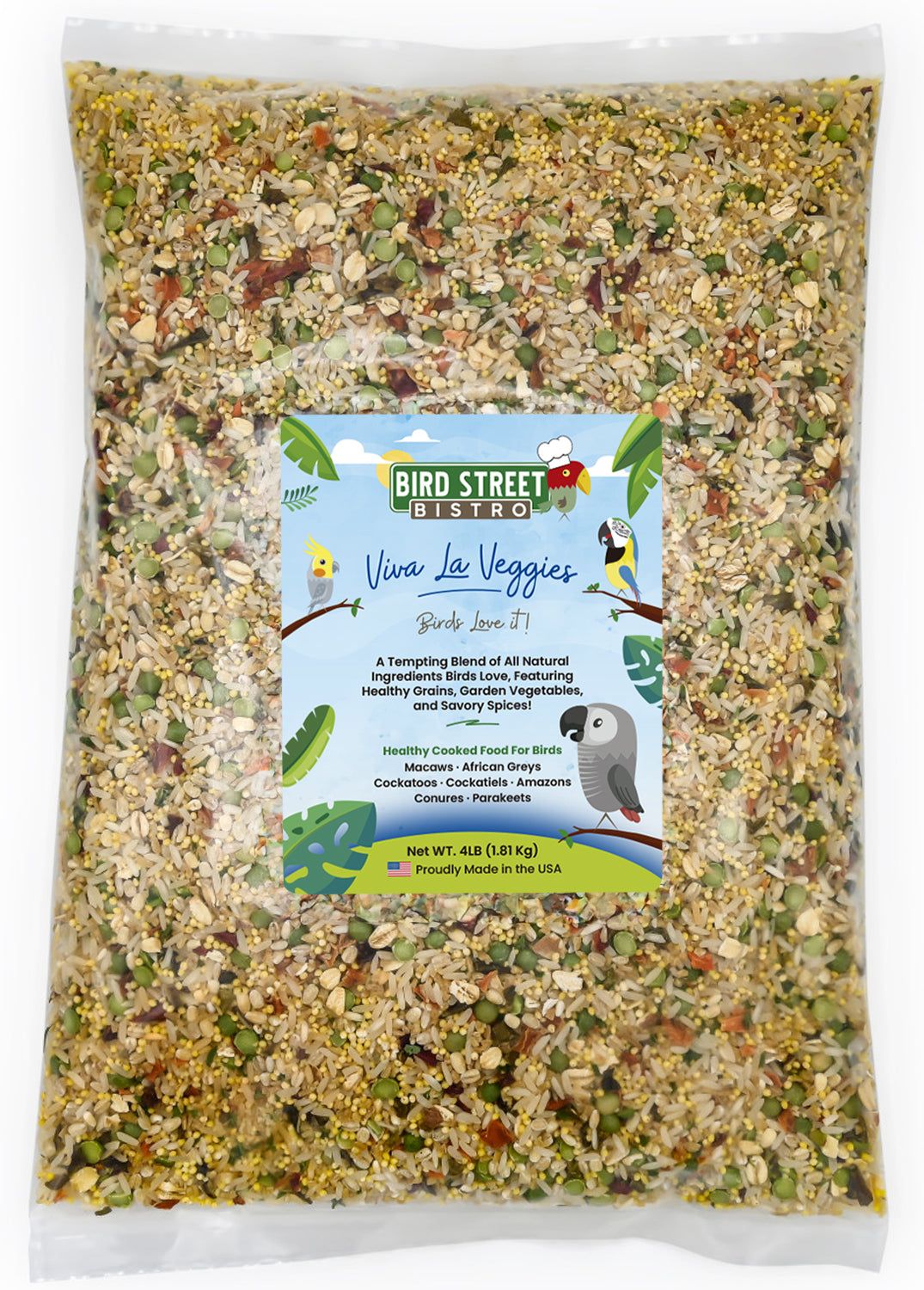
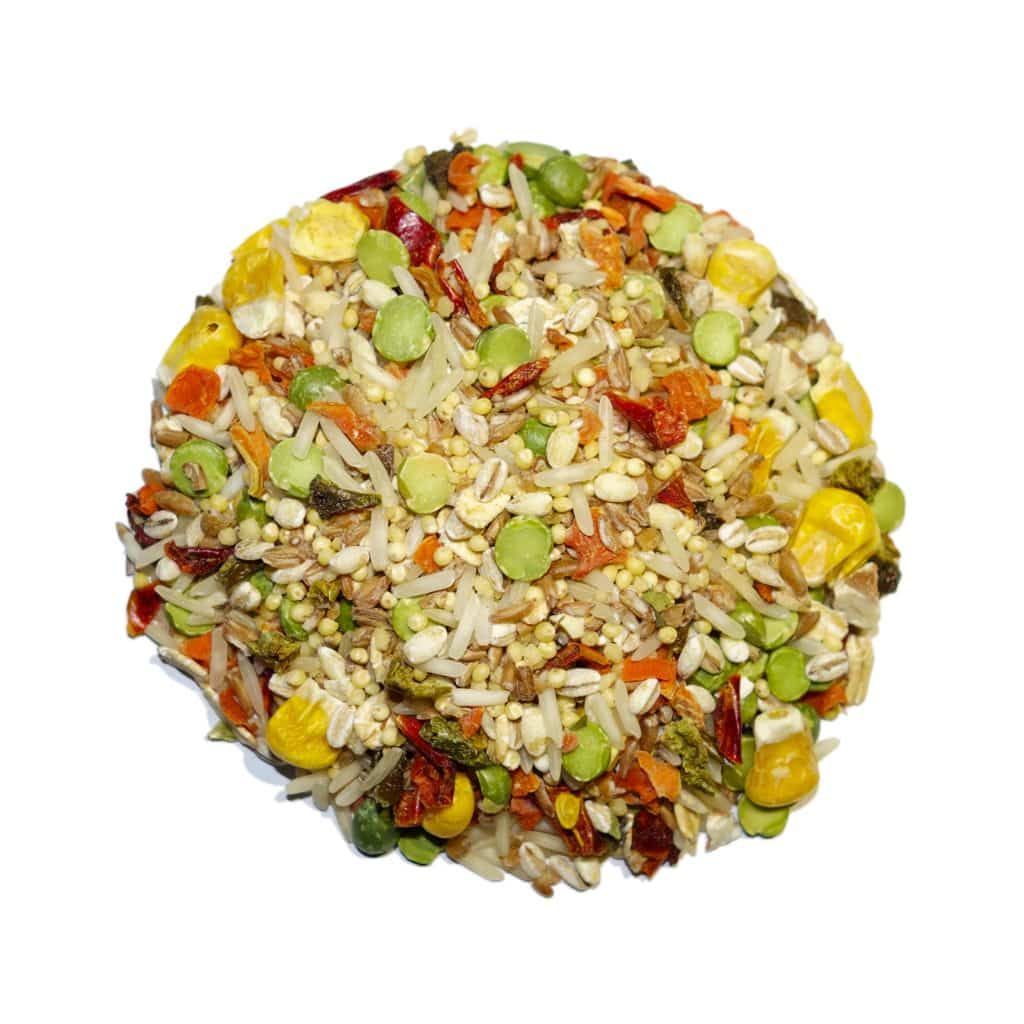
4 lb Viva La Veggies
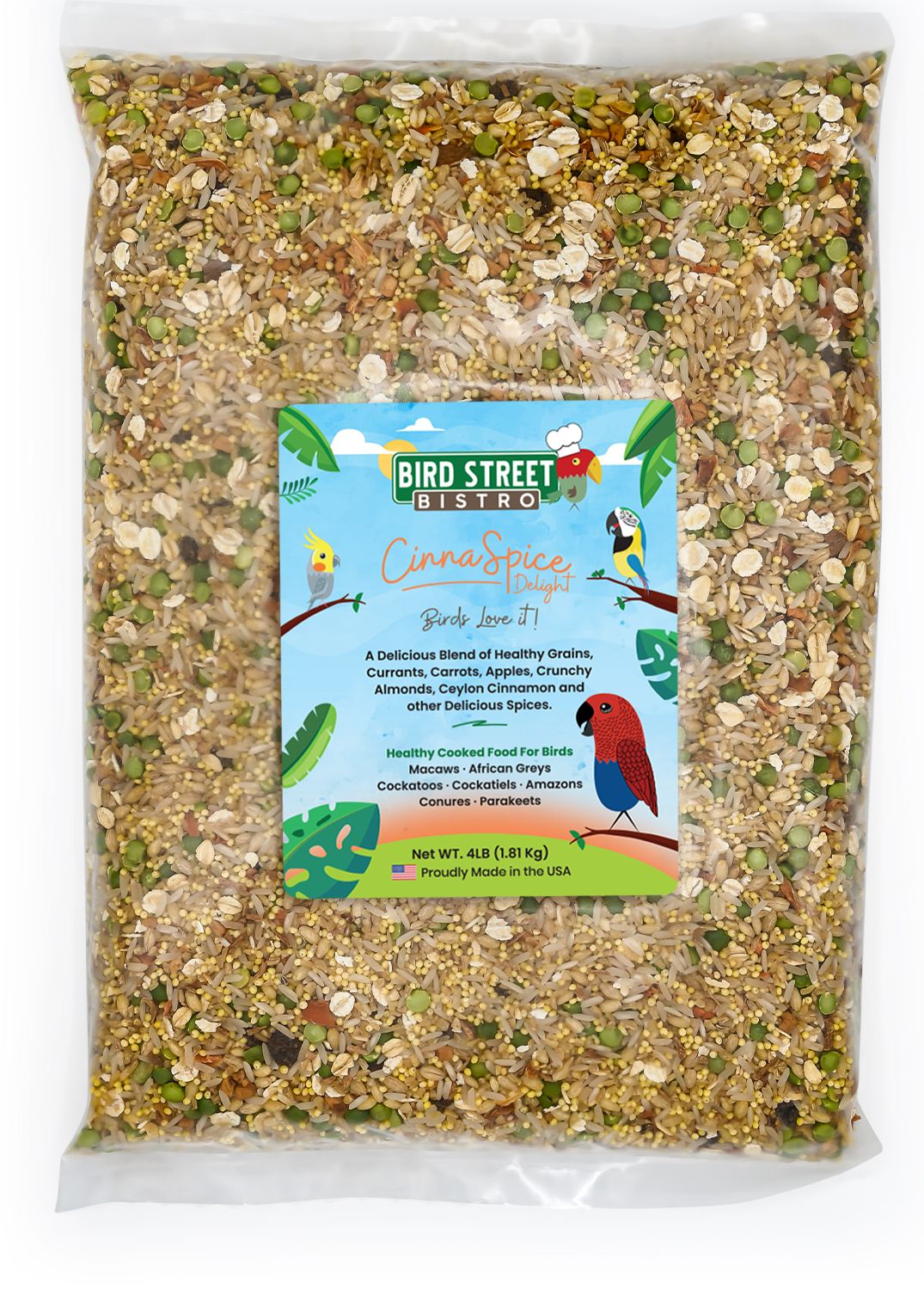
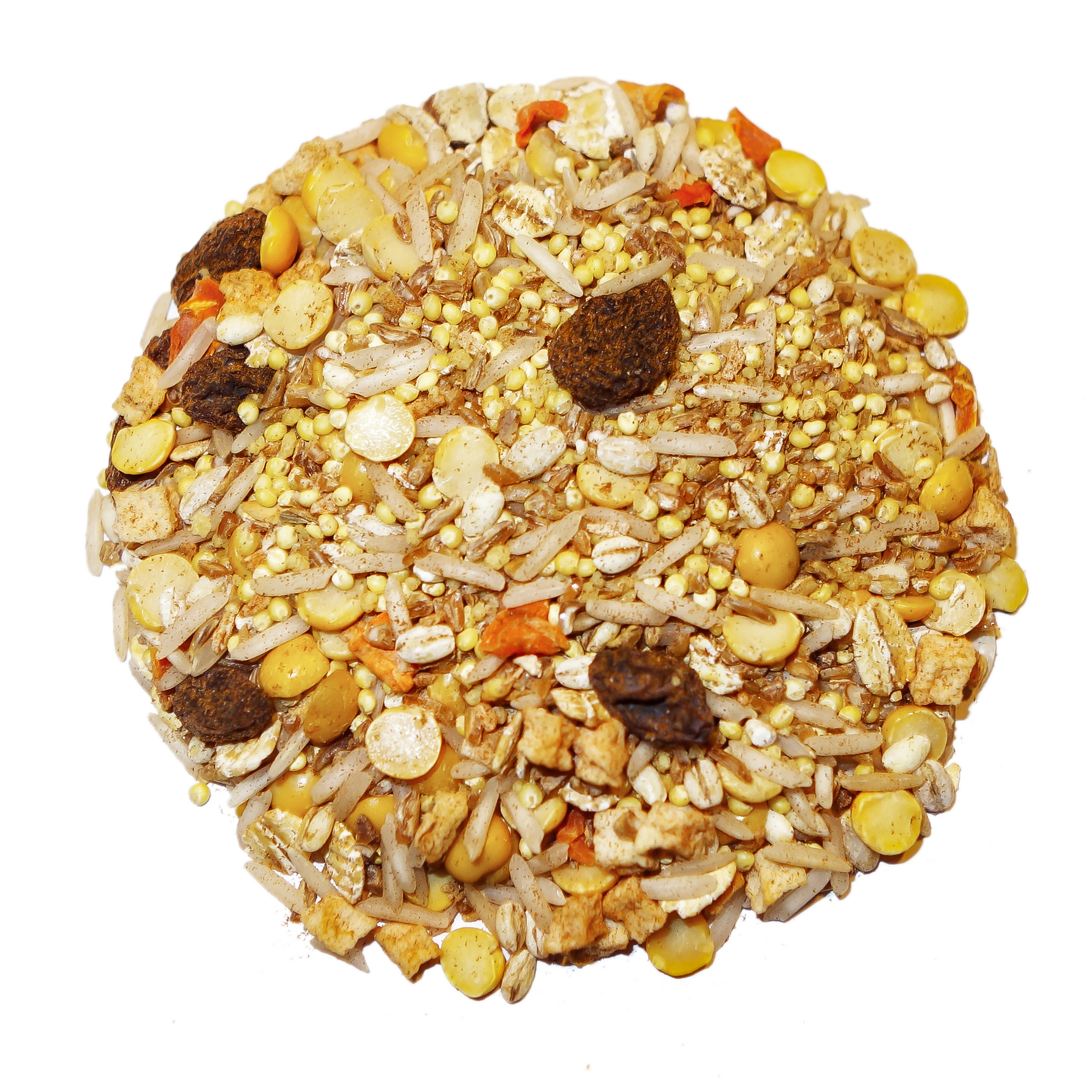
4 lb Cinnaspice Delight
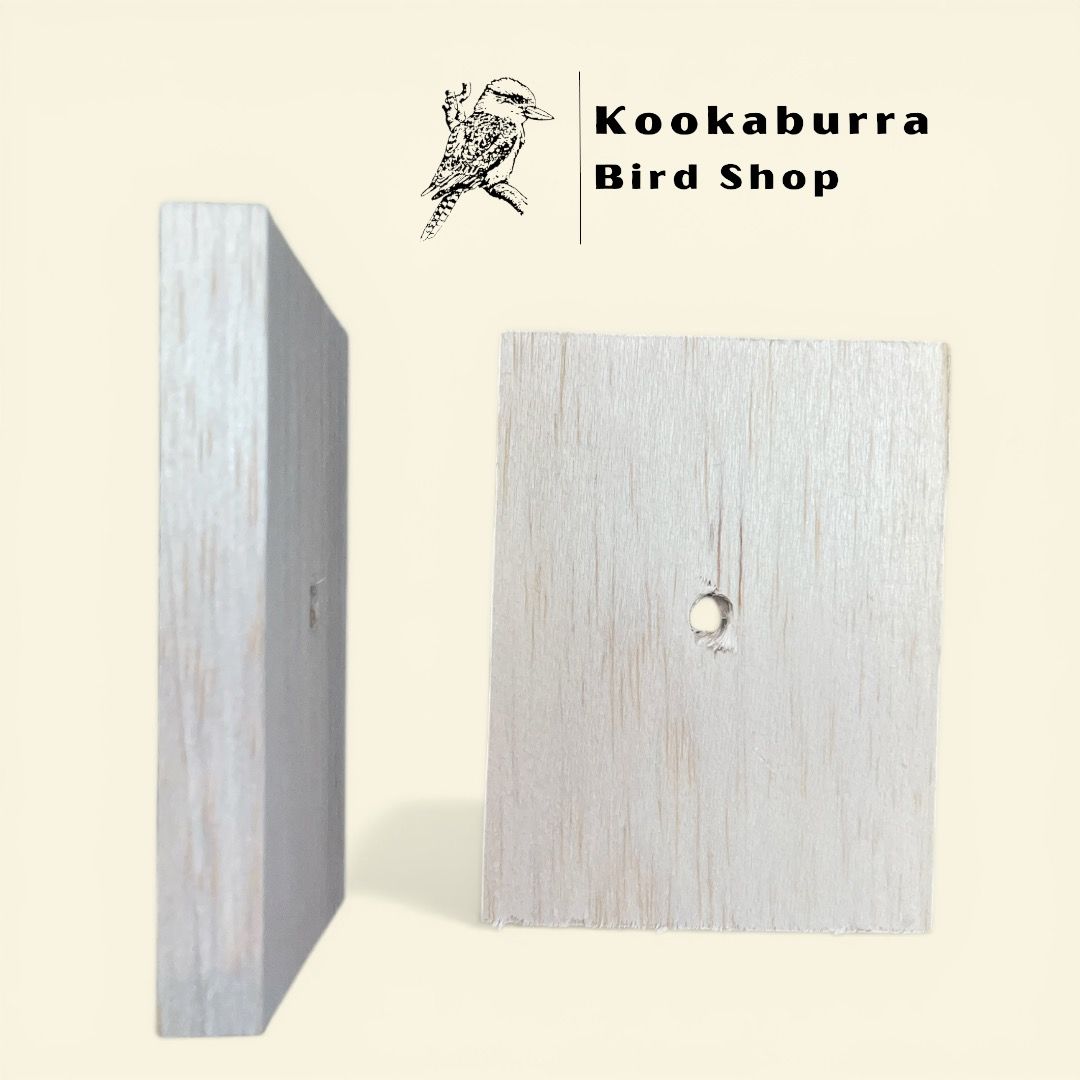
Balsa (0.5" x 3" x 4")

Spooky Mummy

Spooky Halloween Frankenstein

Halloween Spider Cup

Halloween Cup Cake
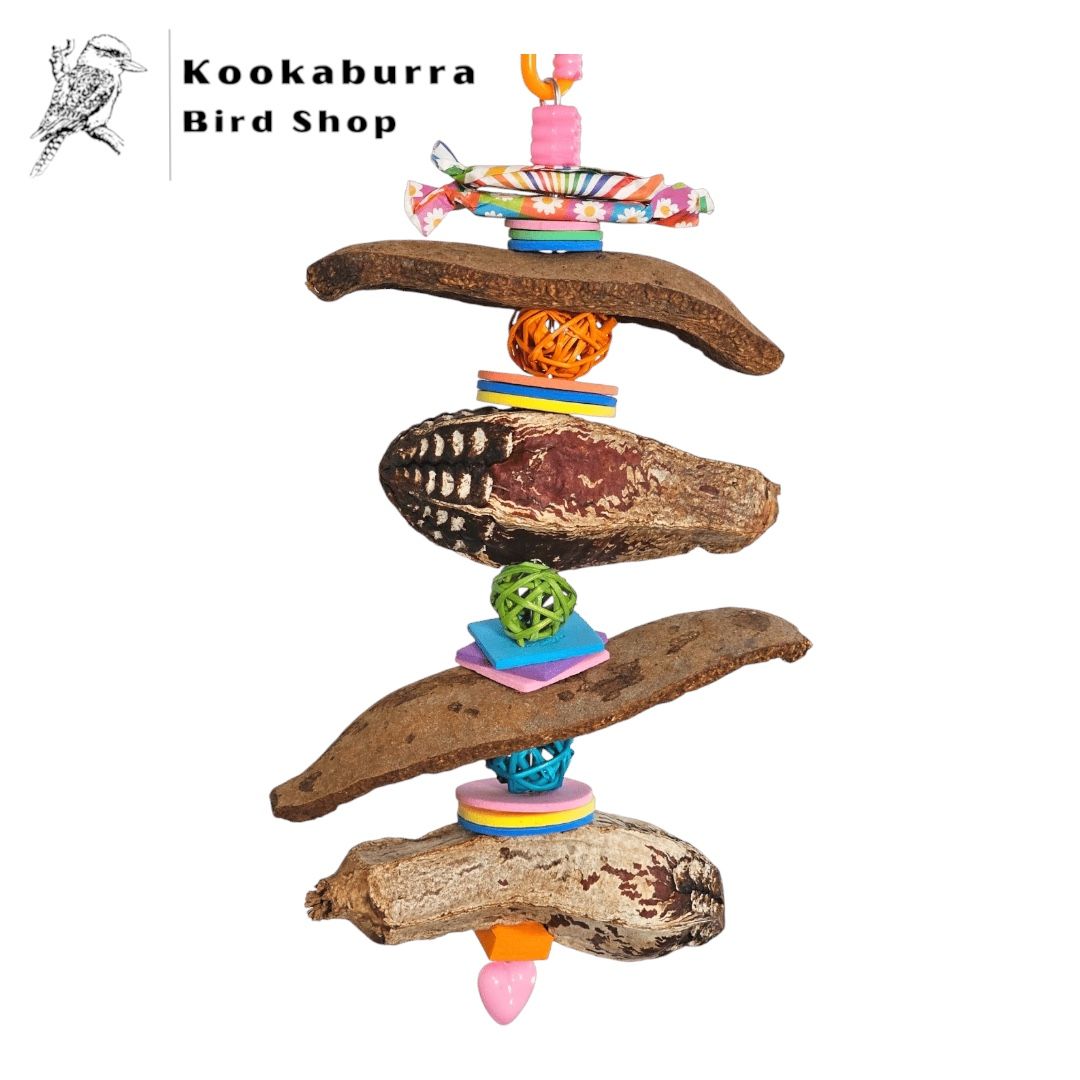
Candy Crunch
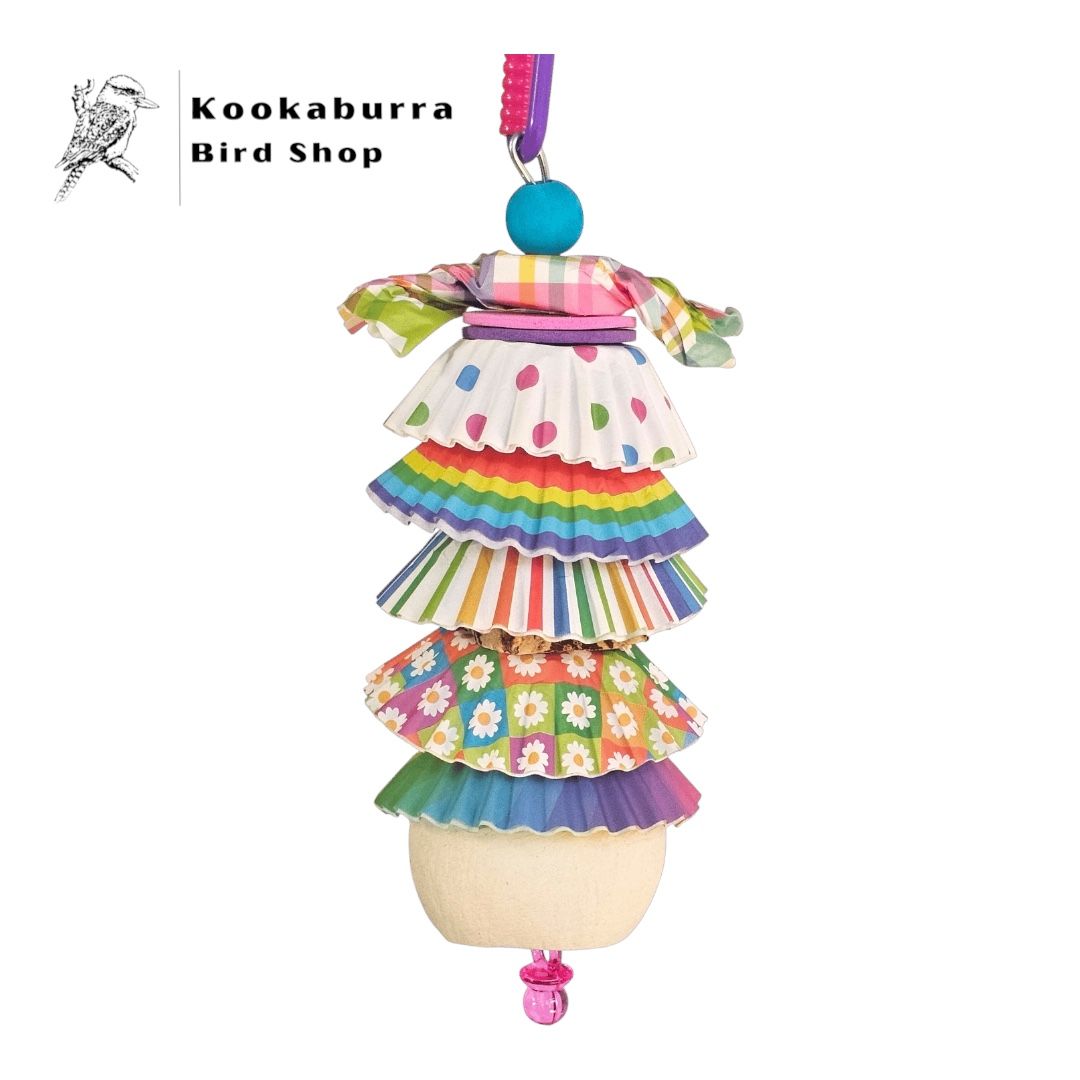
Sprinkle Stack
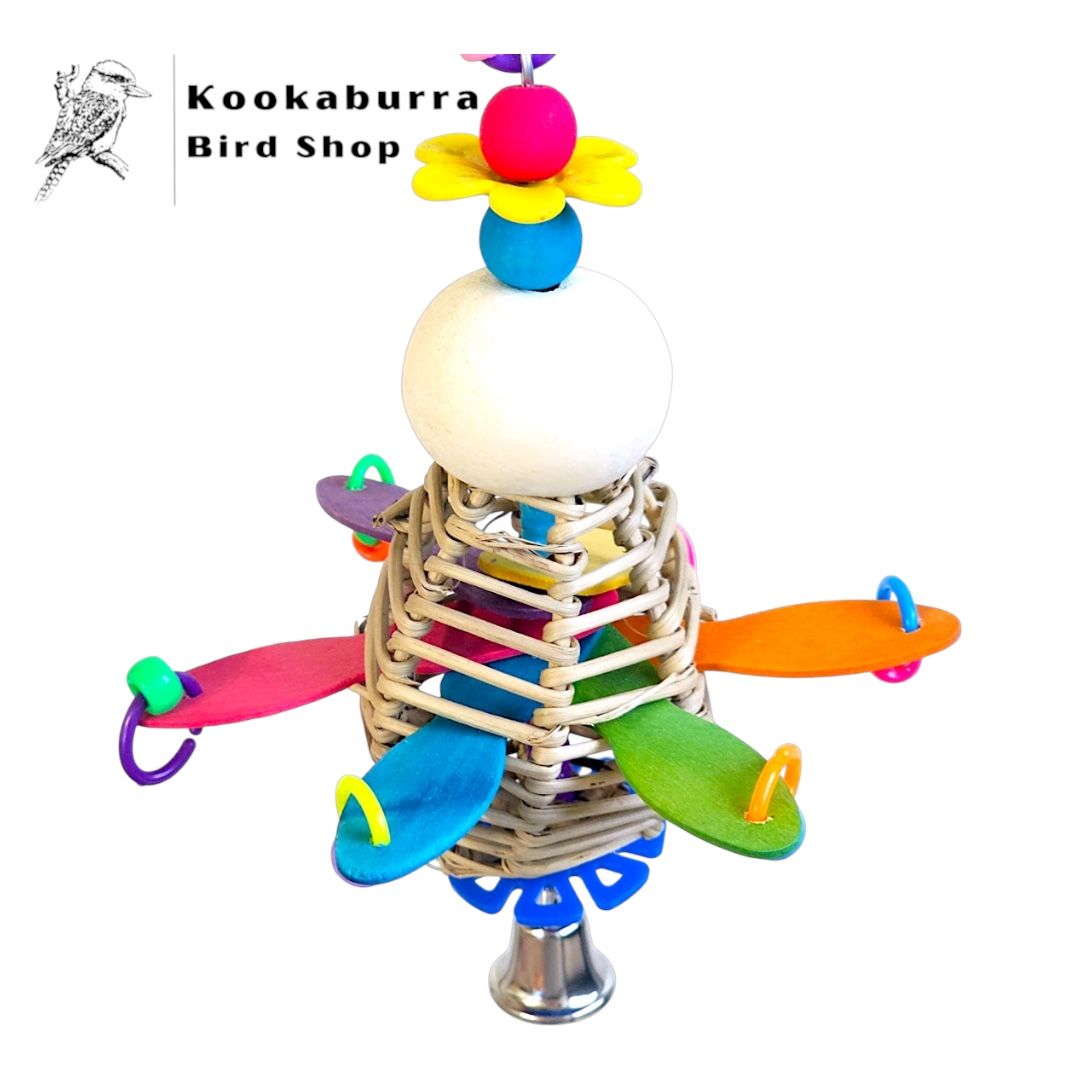
The Lantern
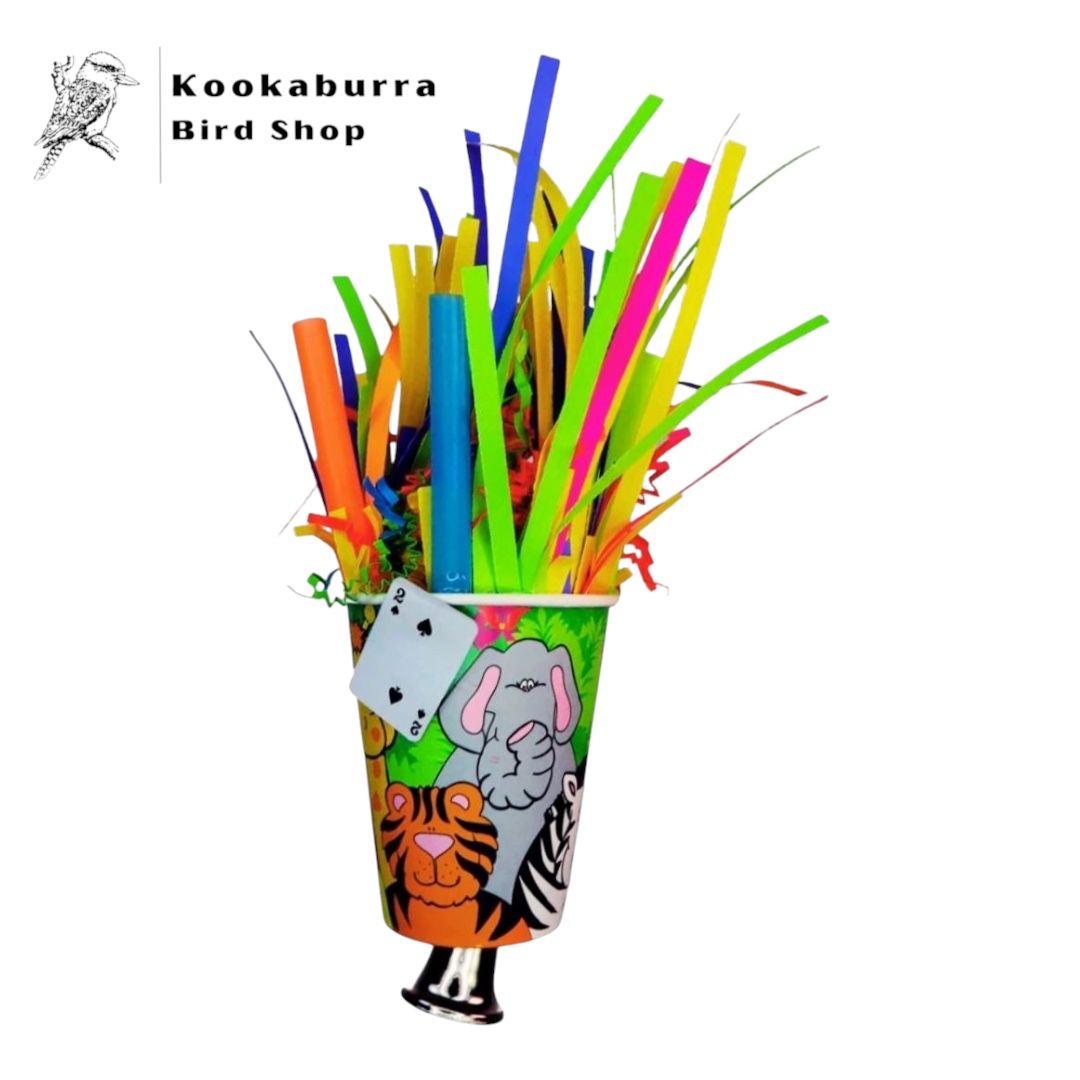
Party Cup
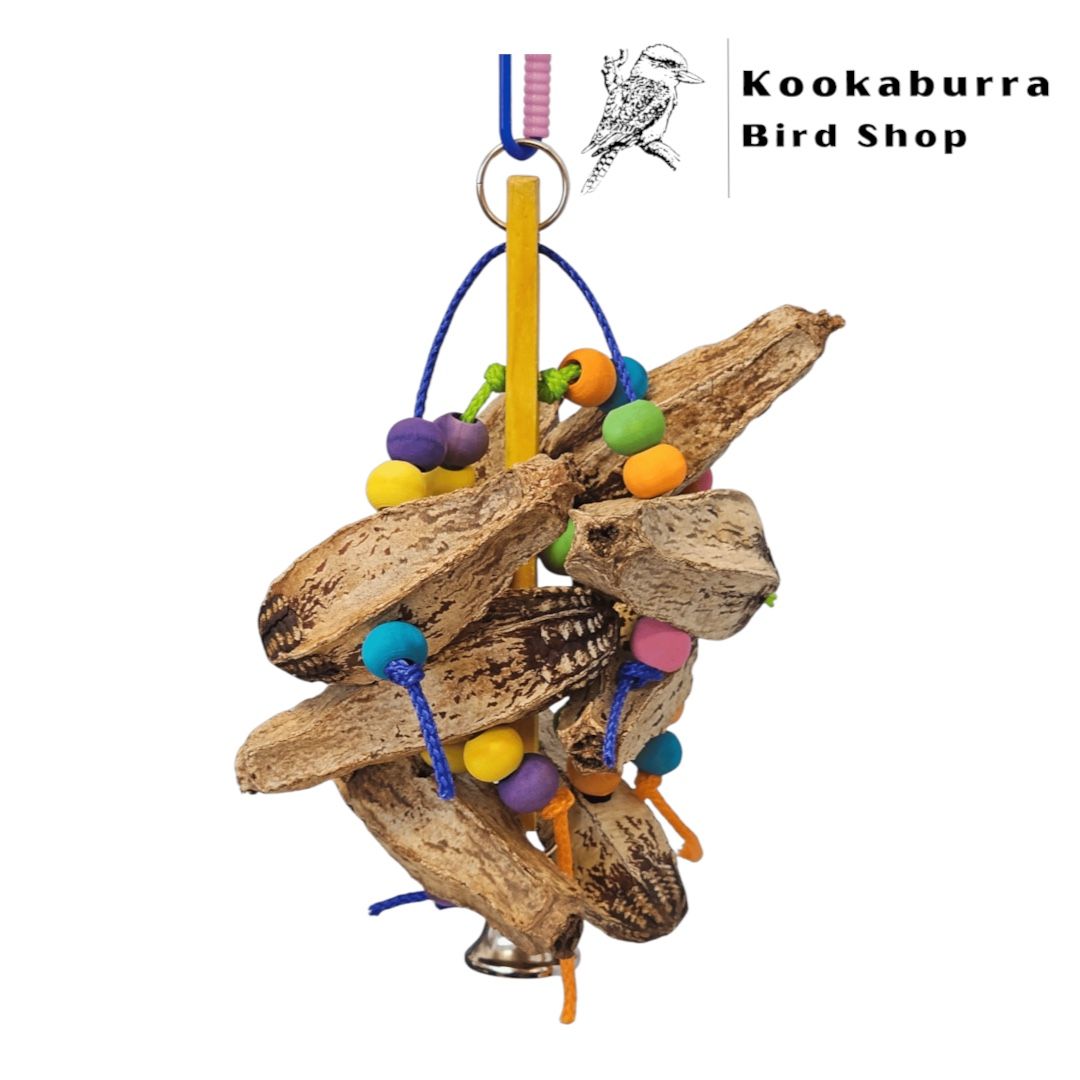
The Treehouse
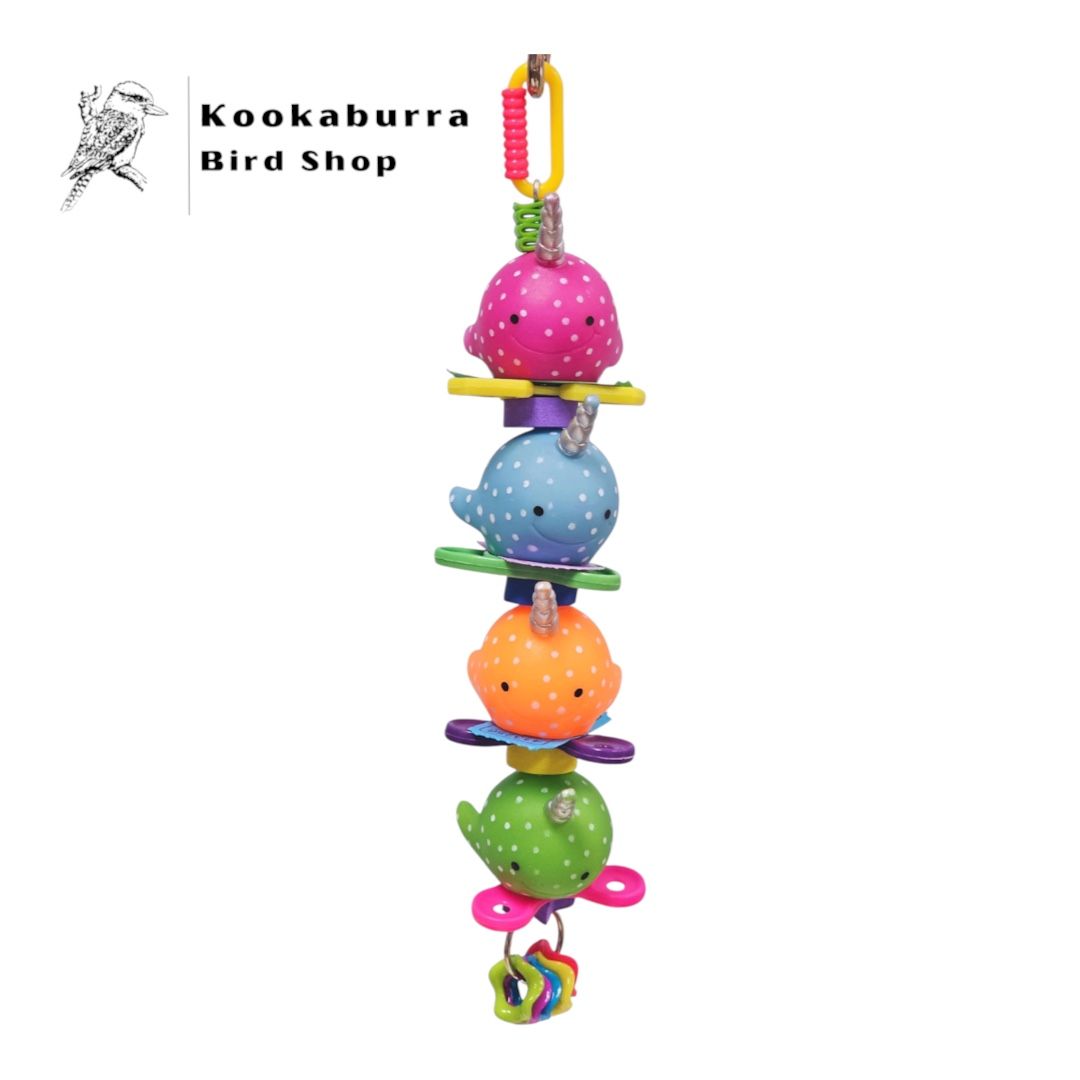
Jelly Whales
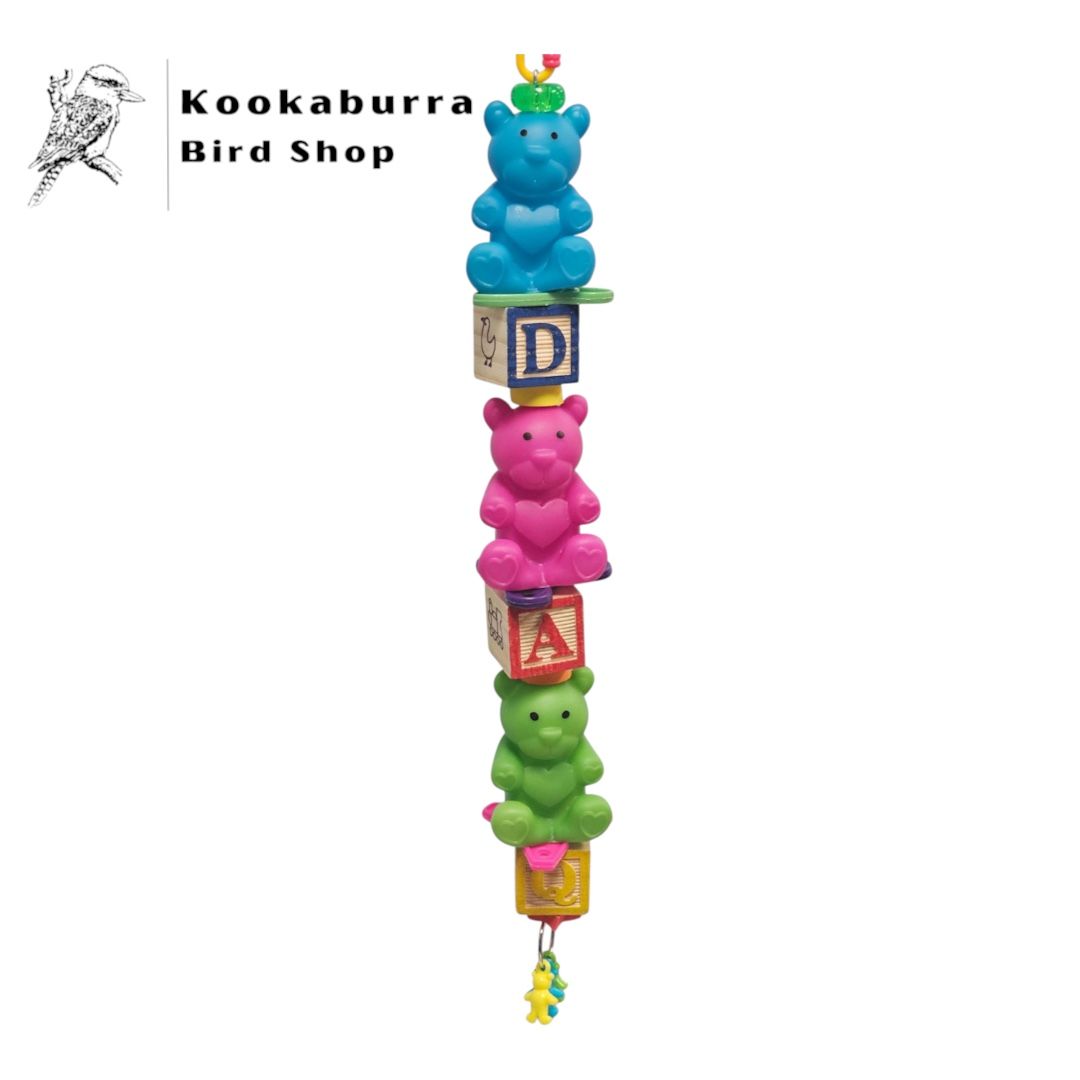
Gummy Bears
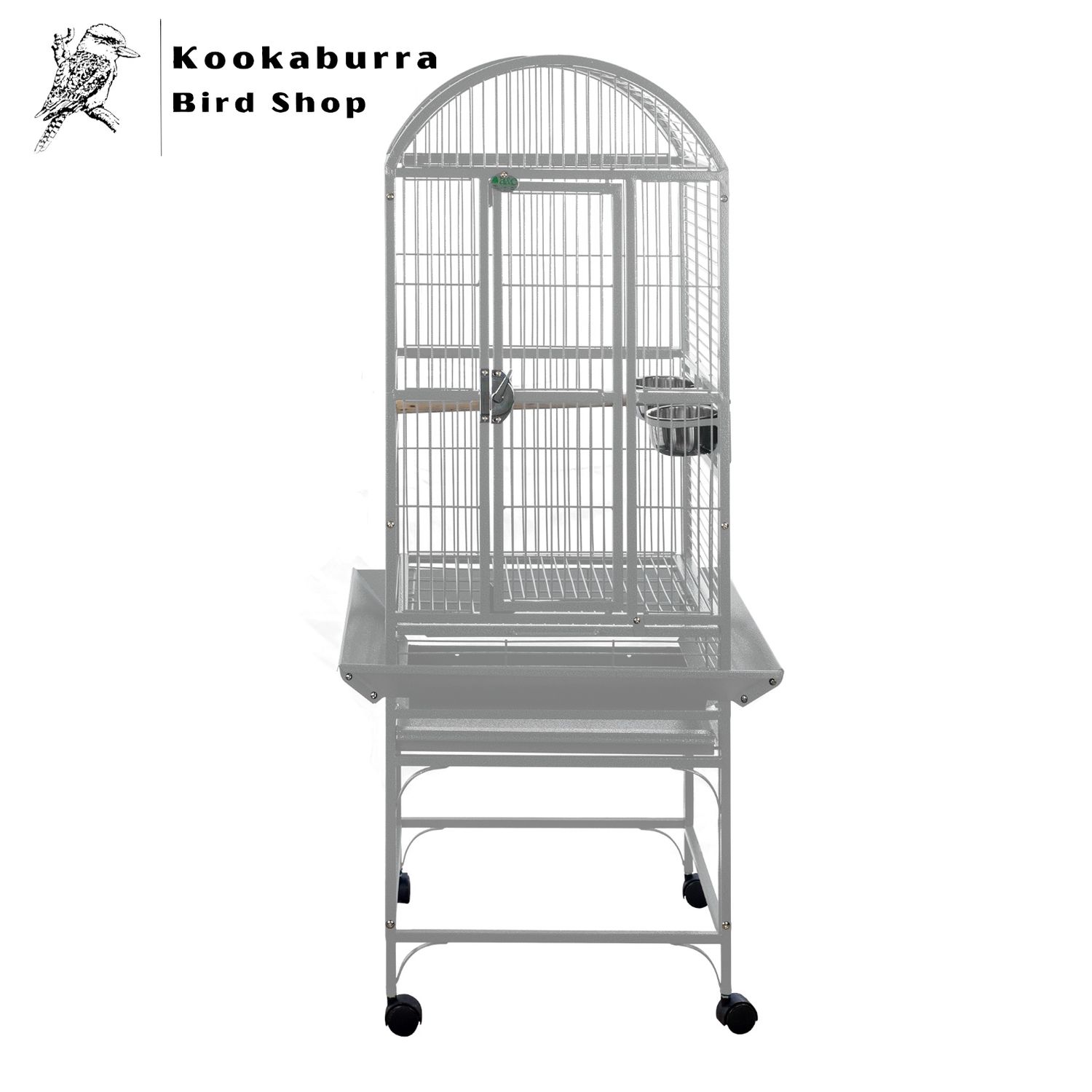
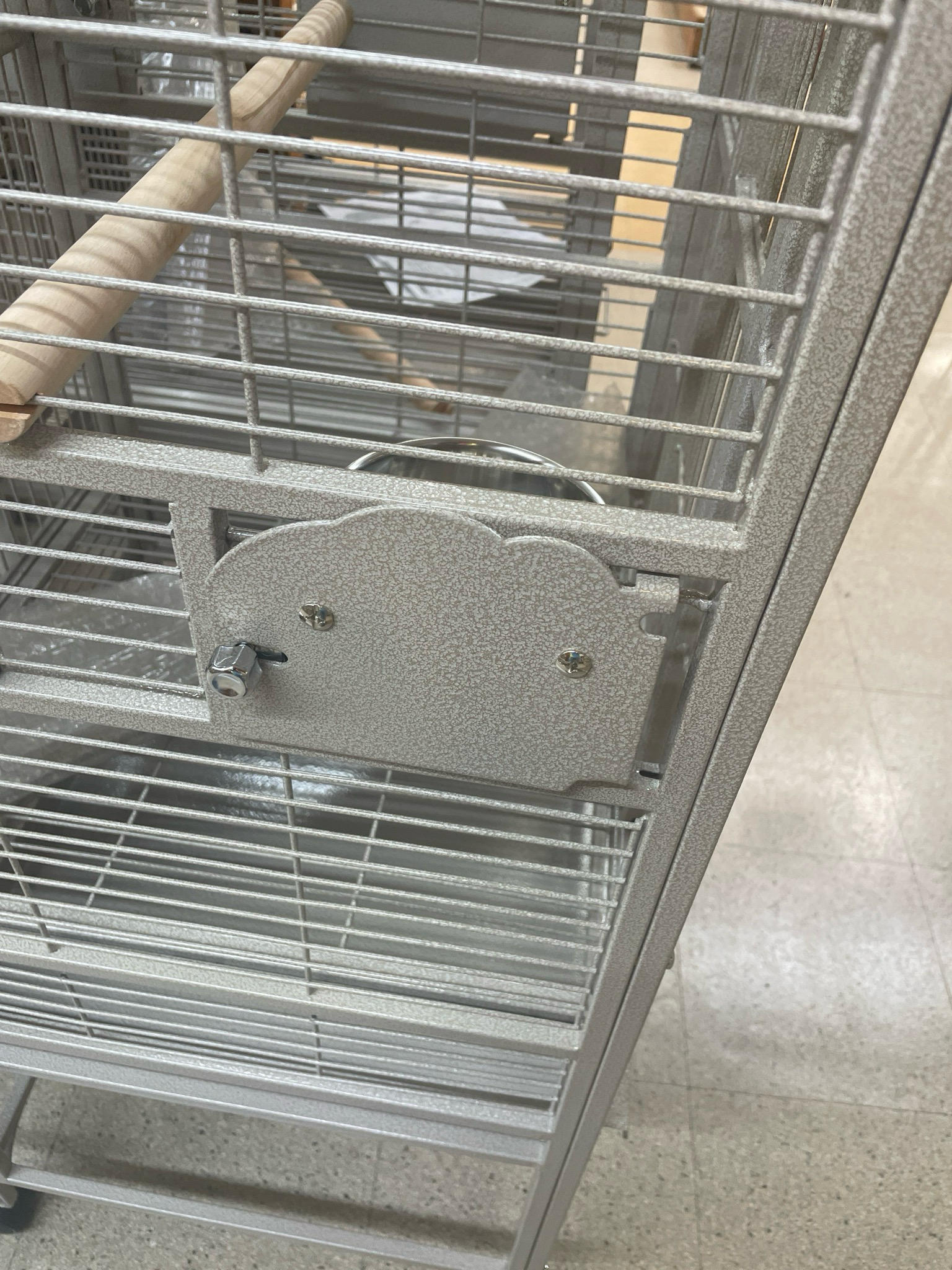
9001818 Platinum
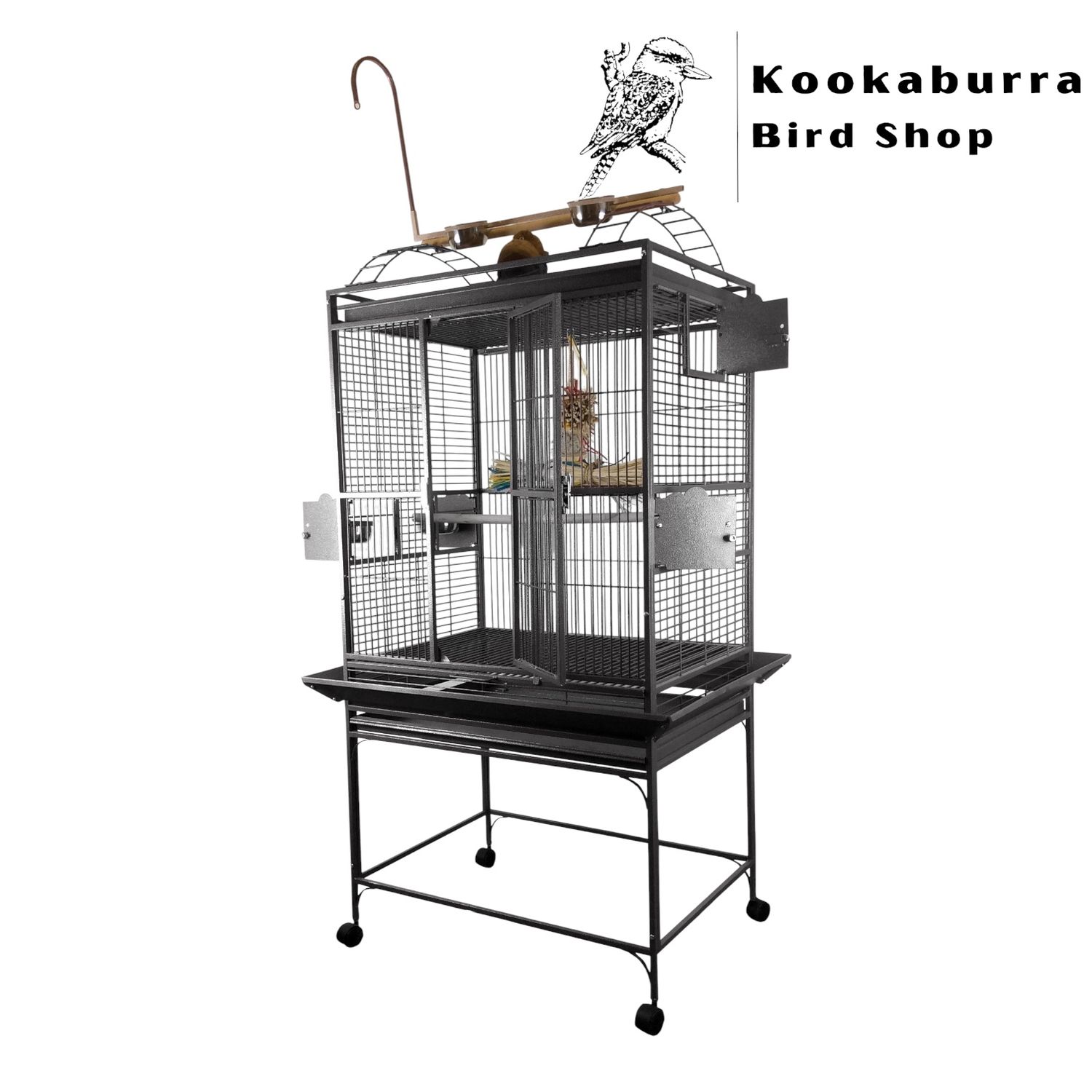
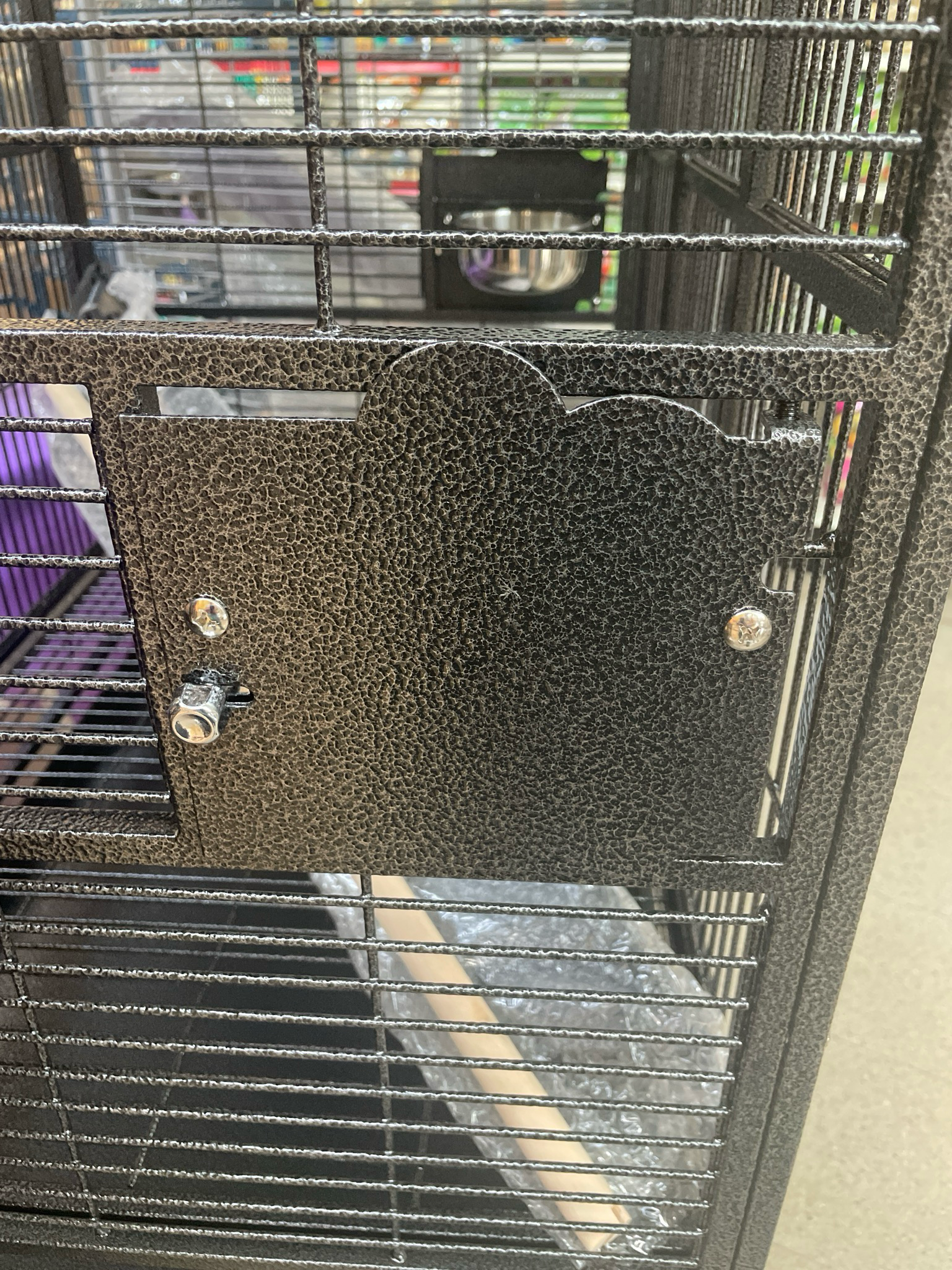
8003223 Black
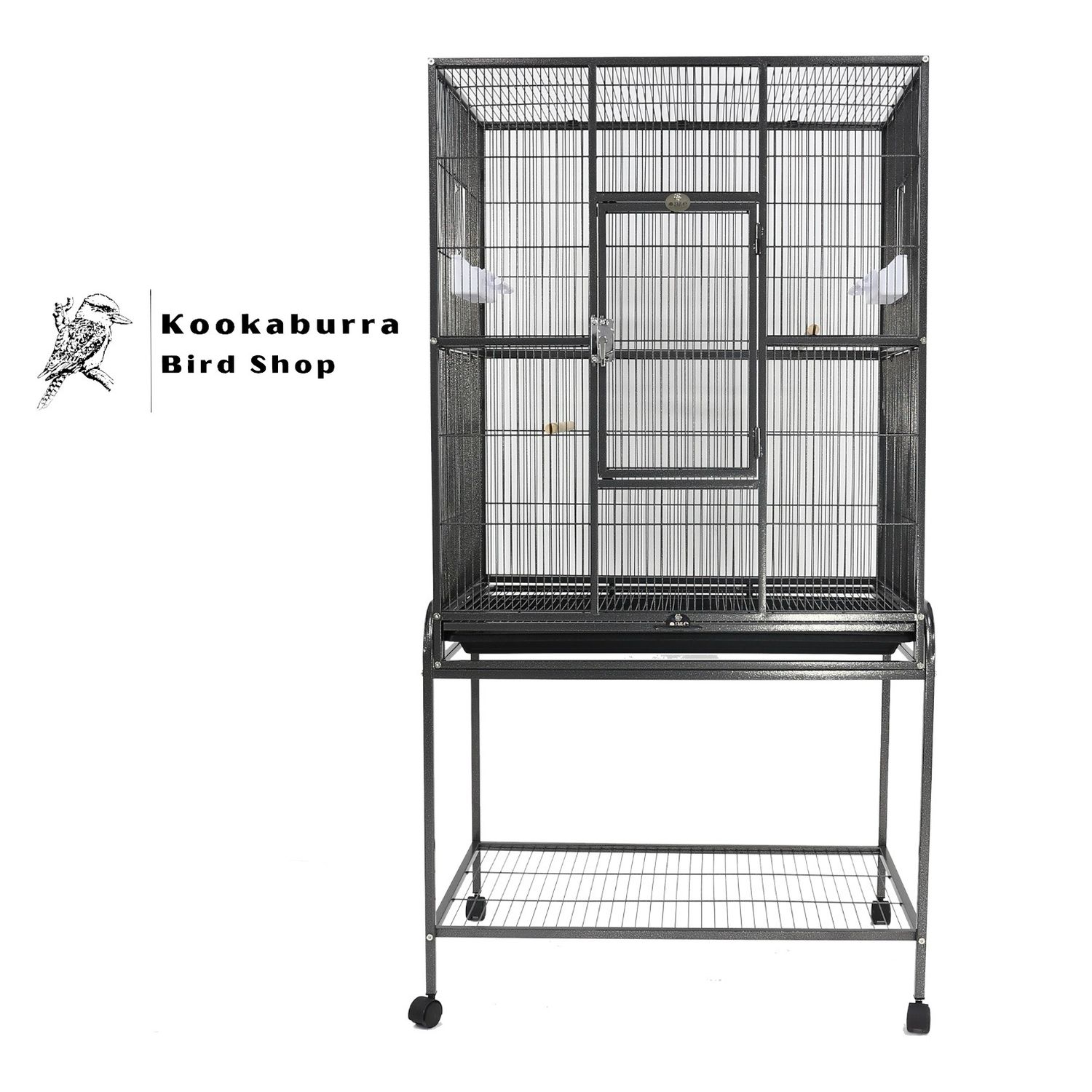
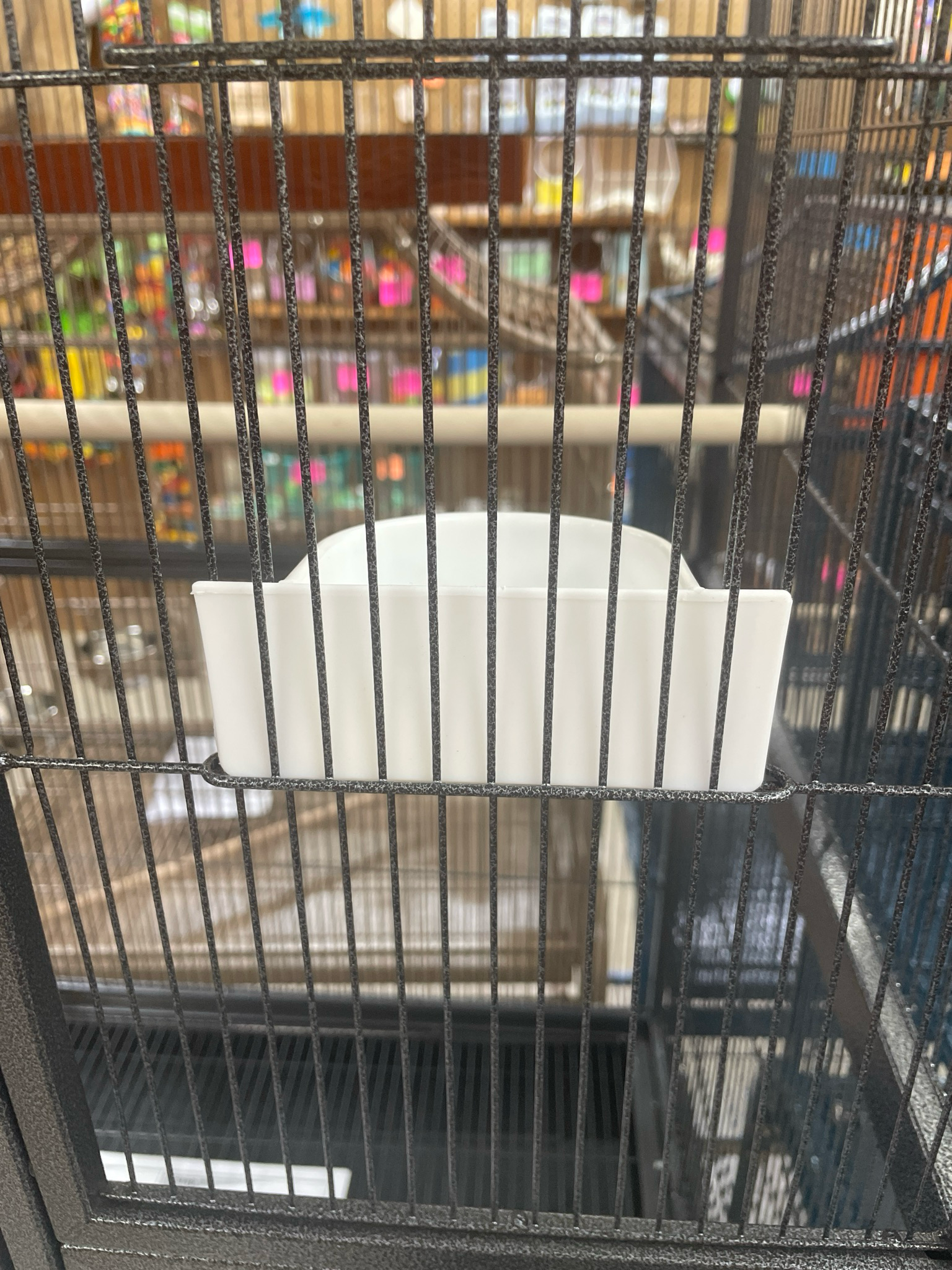
13120 Flight Cage Black
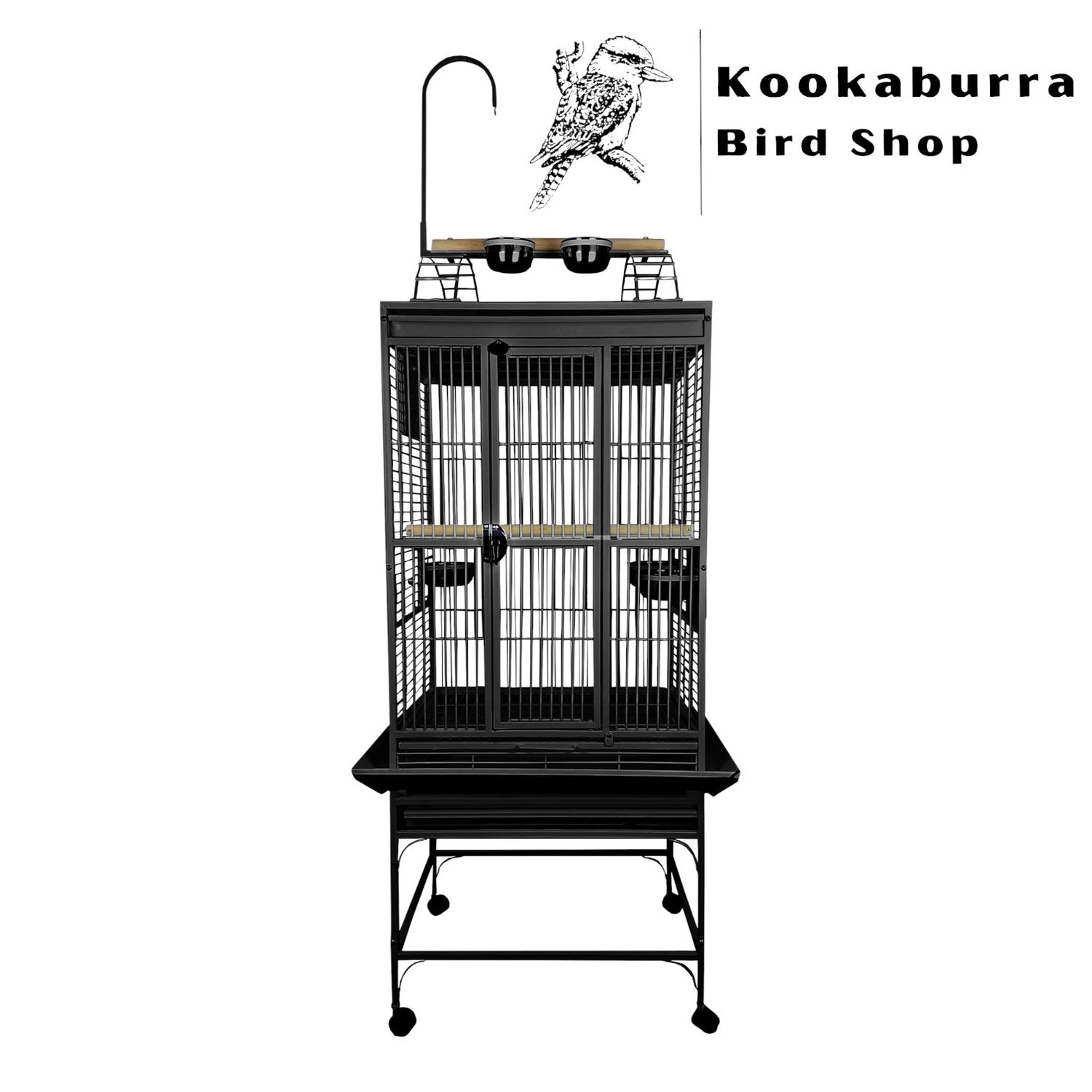
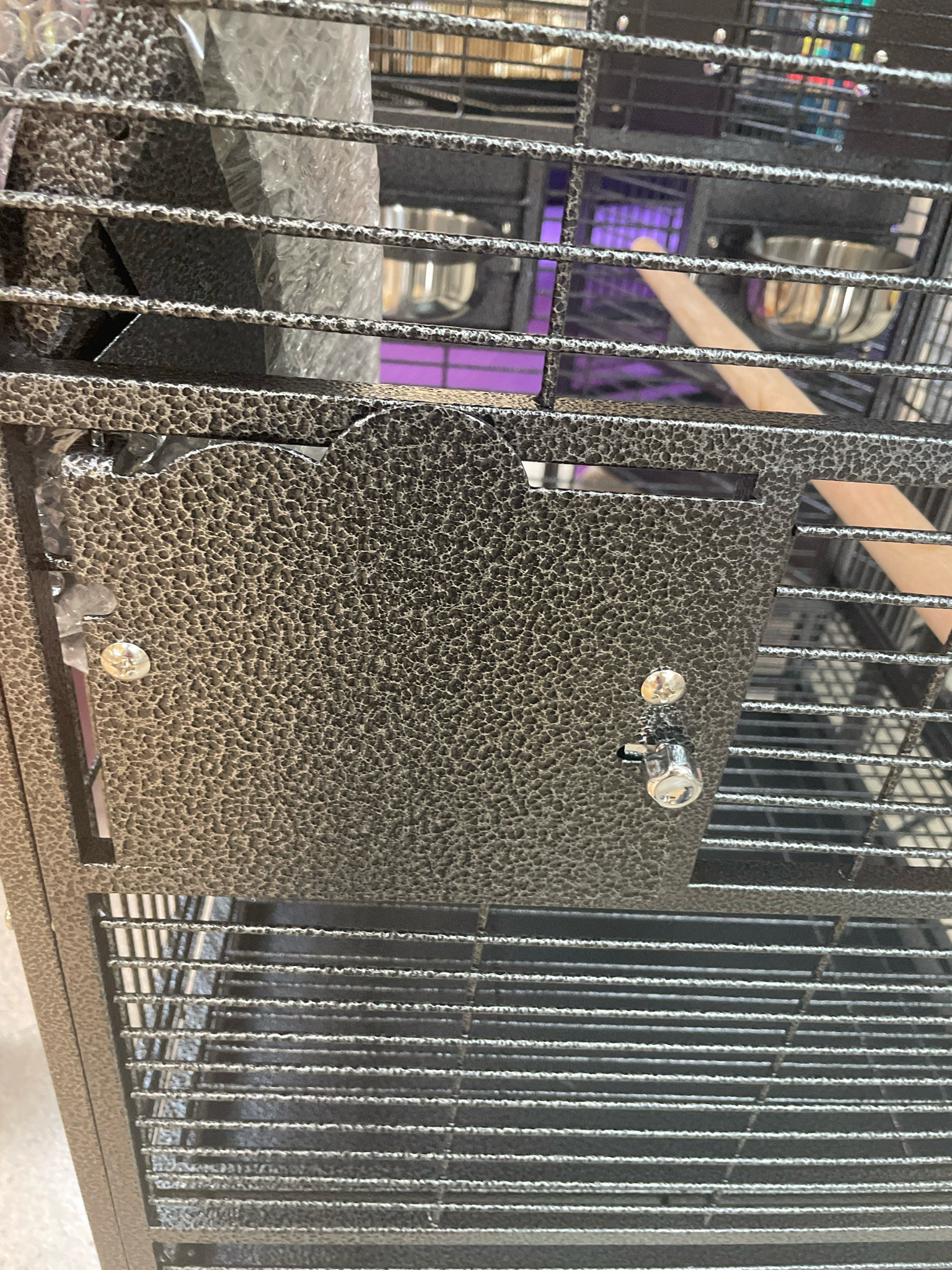
8002422 Black
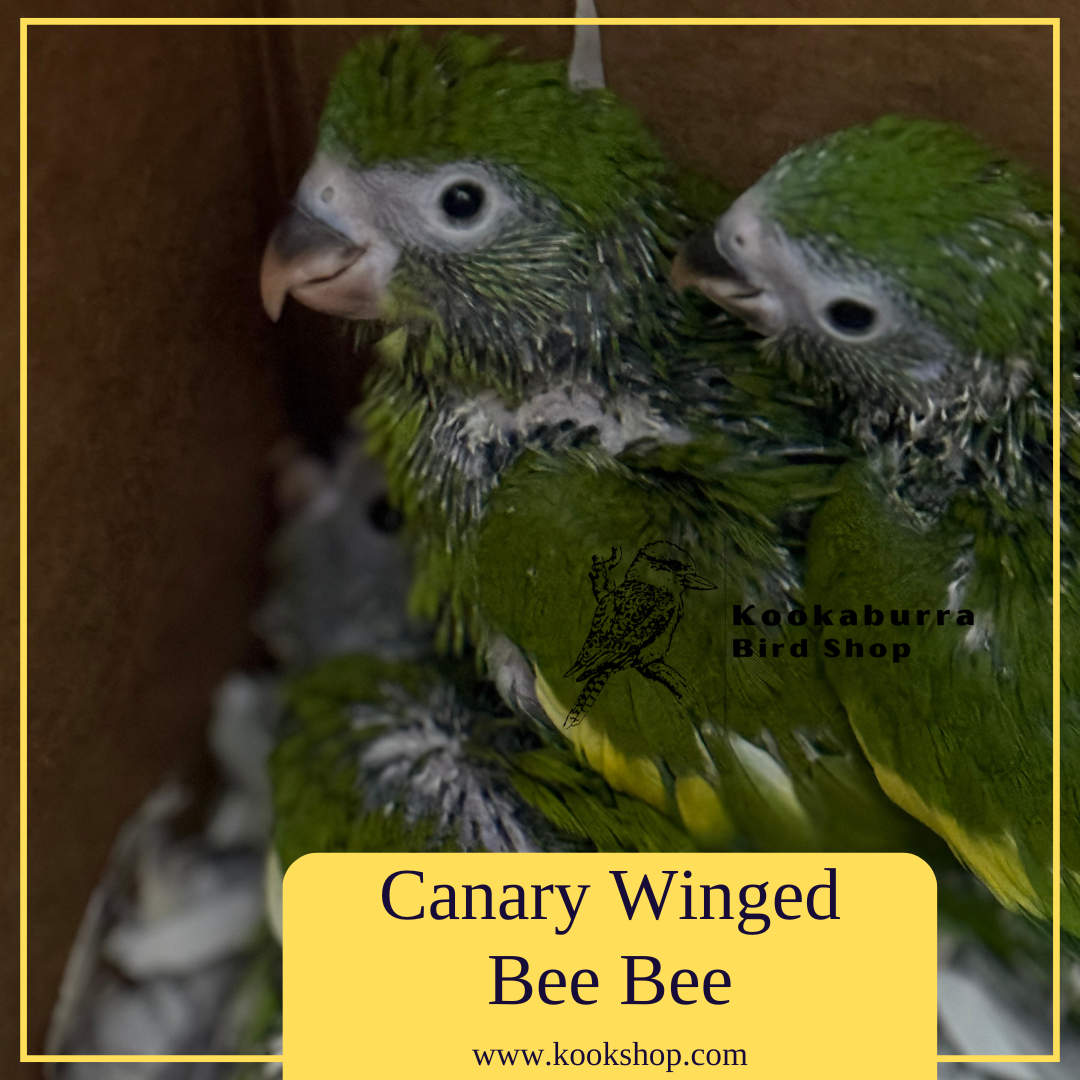
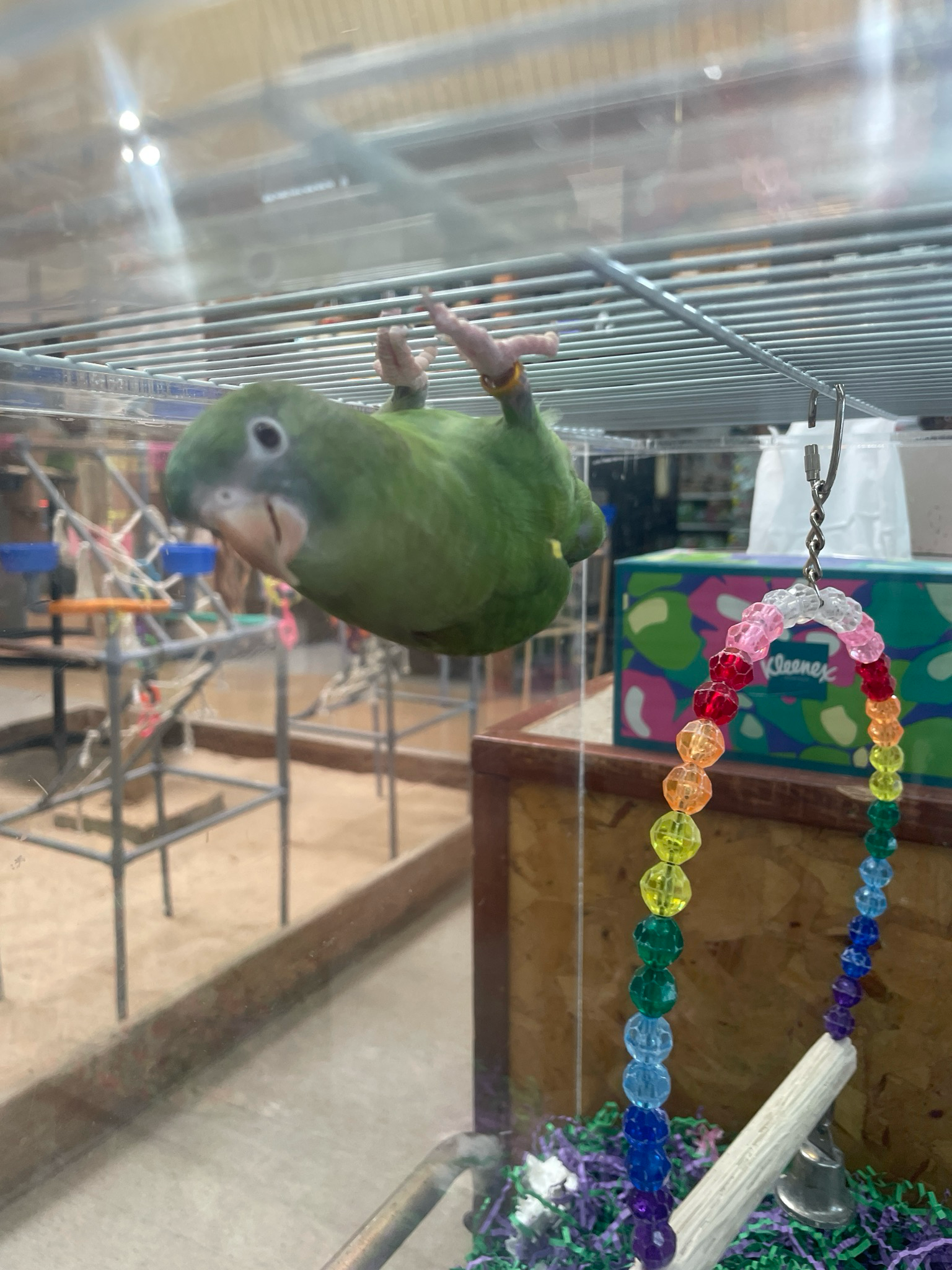
Canary Wing Bee Bee
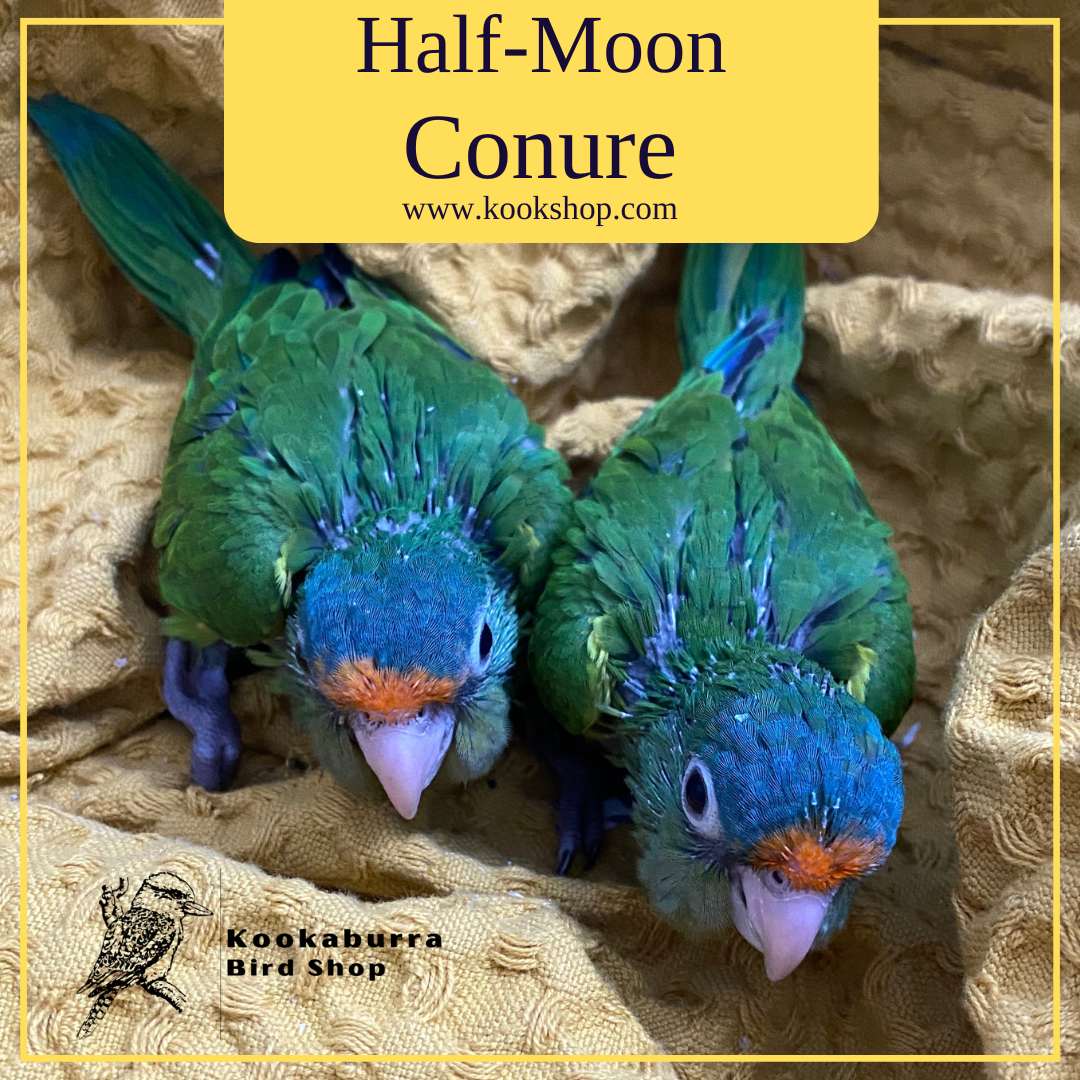
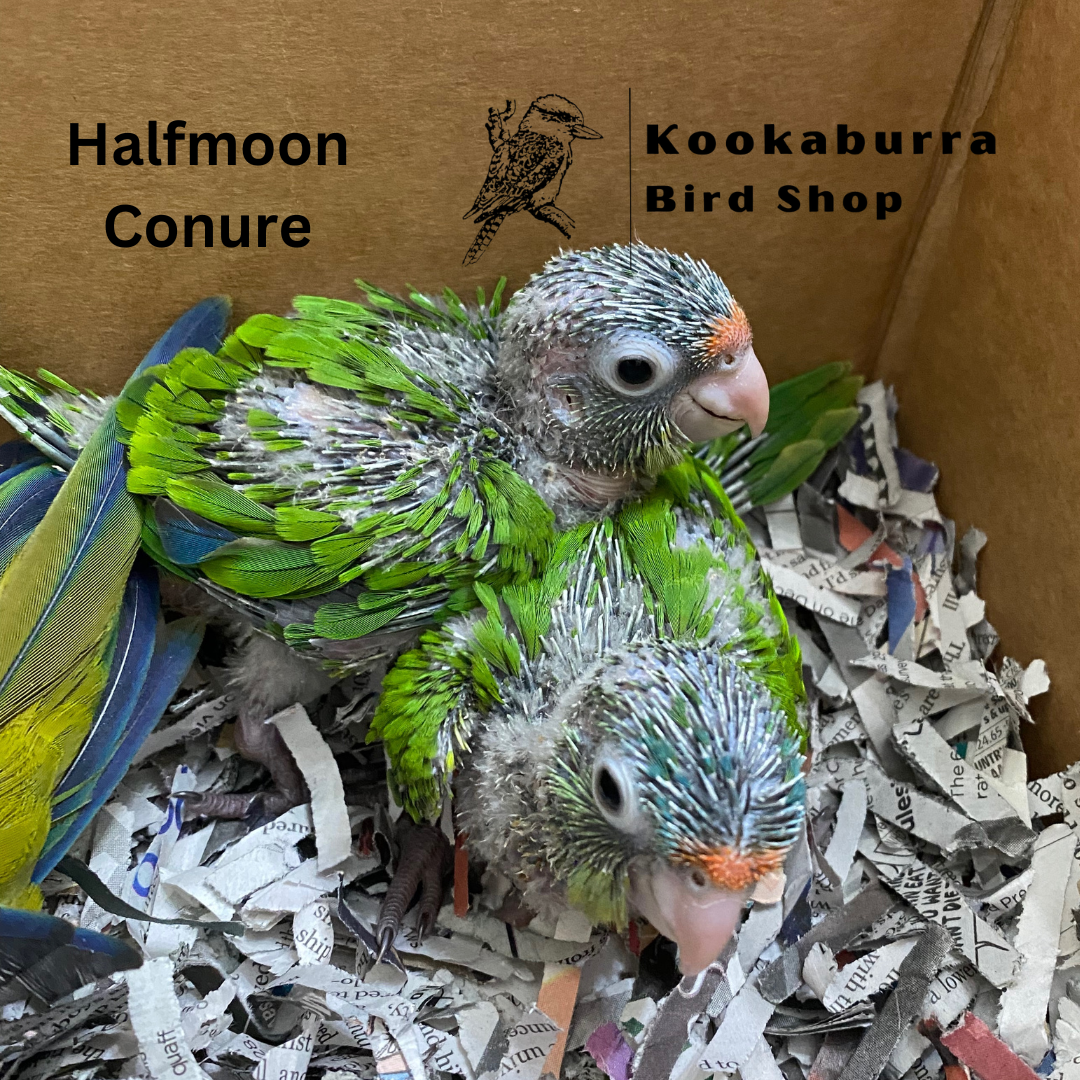
Half Moon Conure
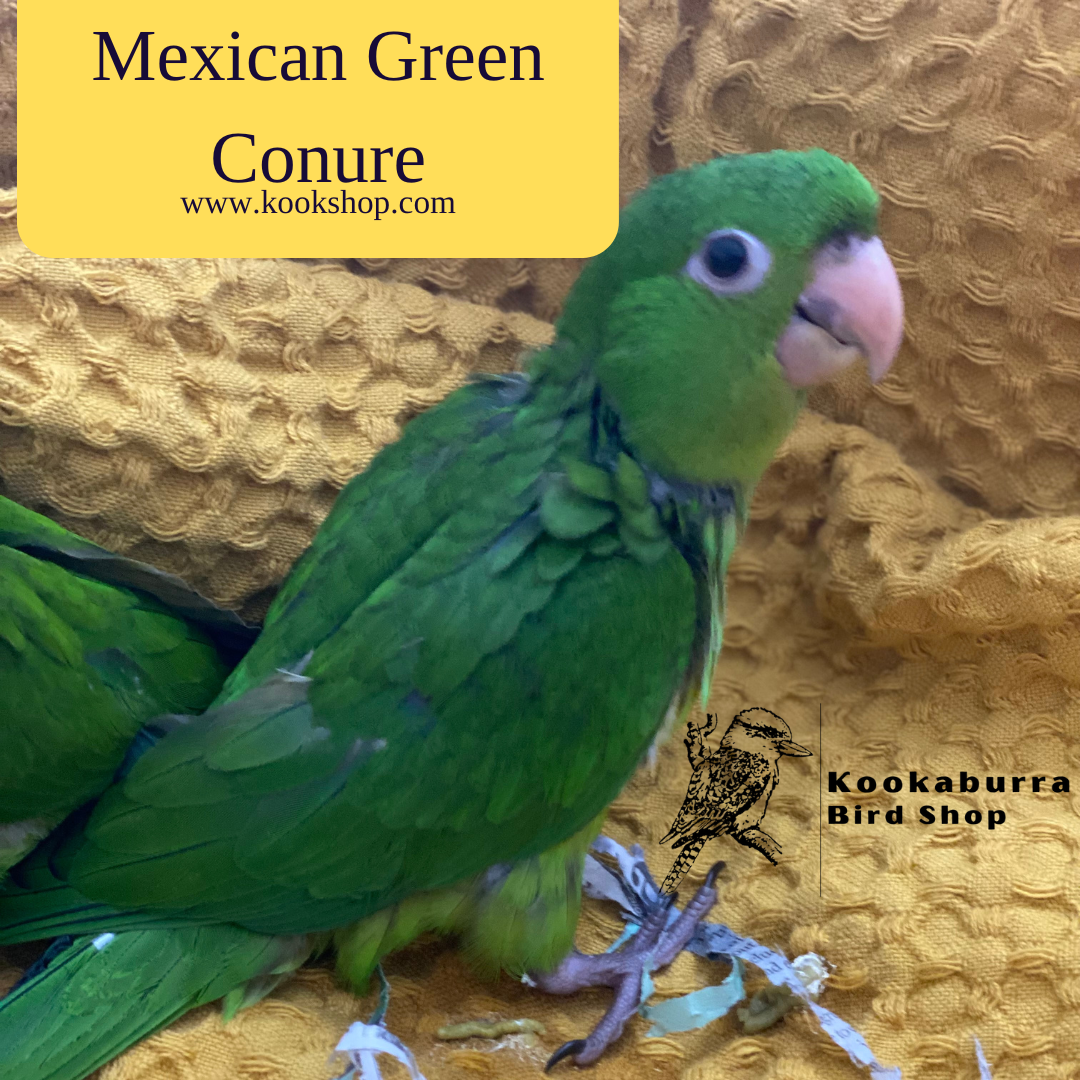
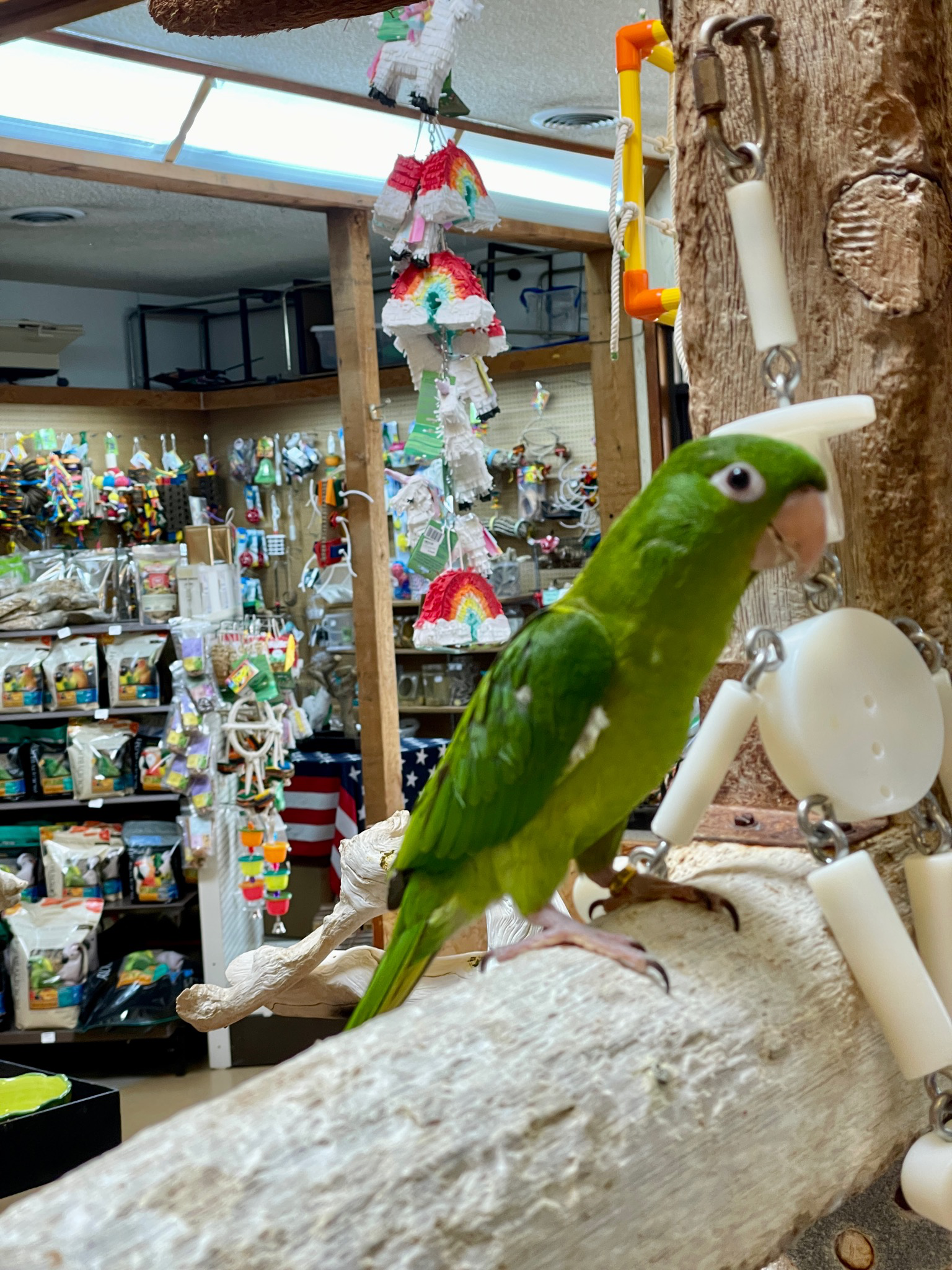
Mexican Green Conure
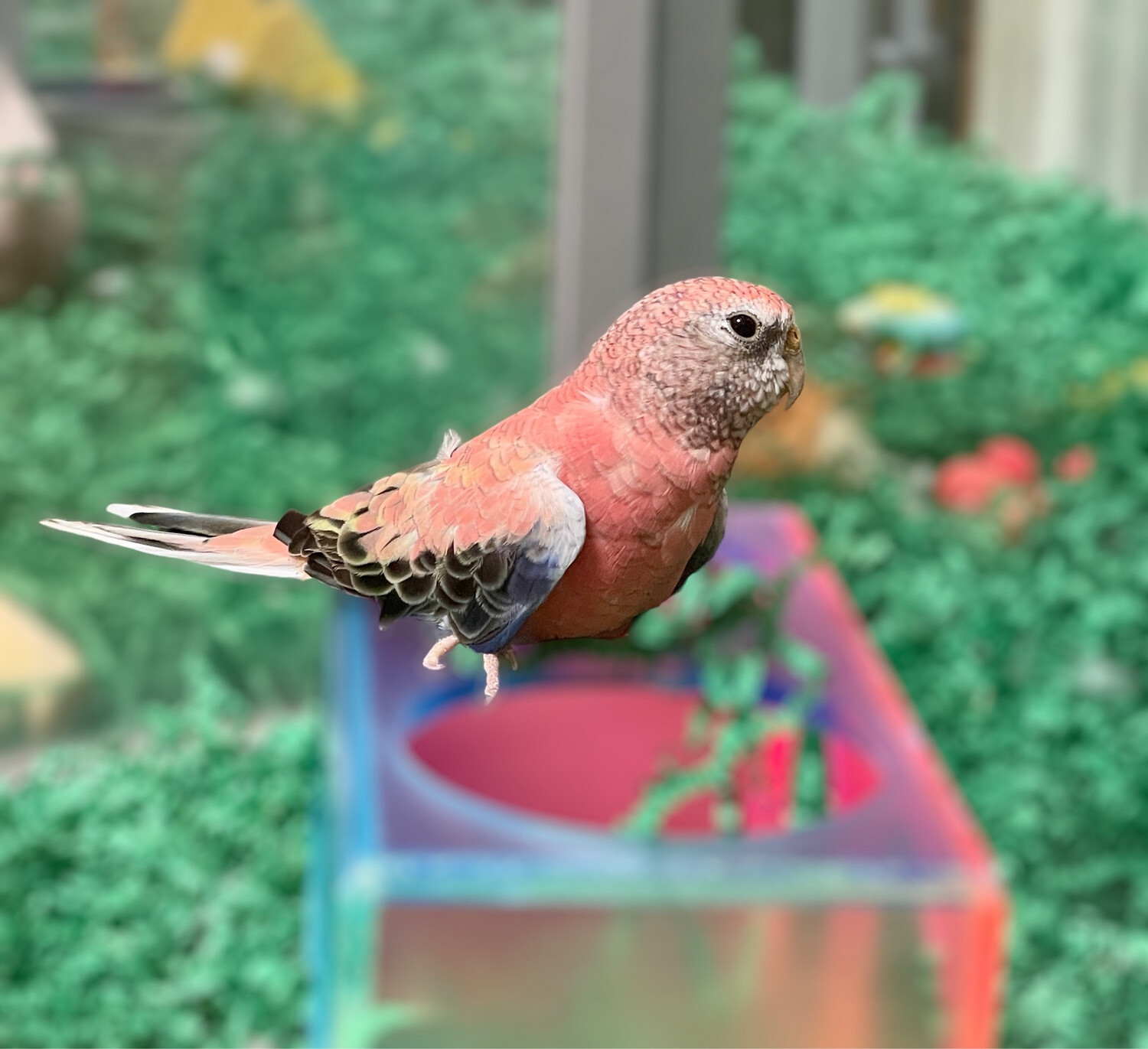
Rosey Bourke's Parakeet
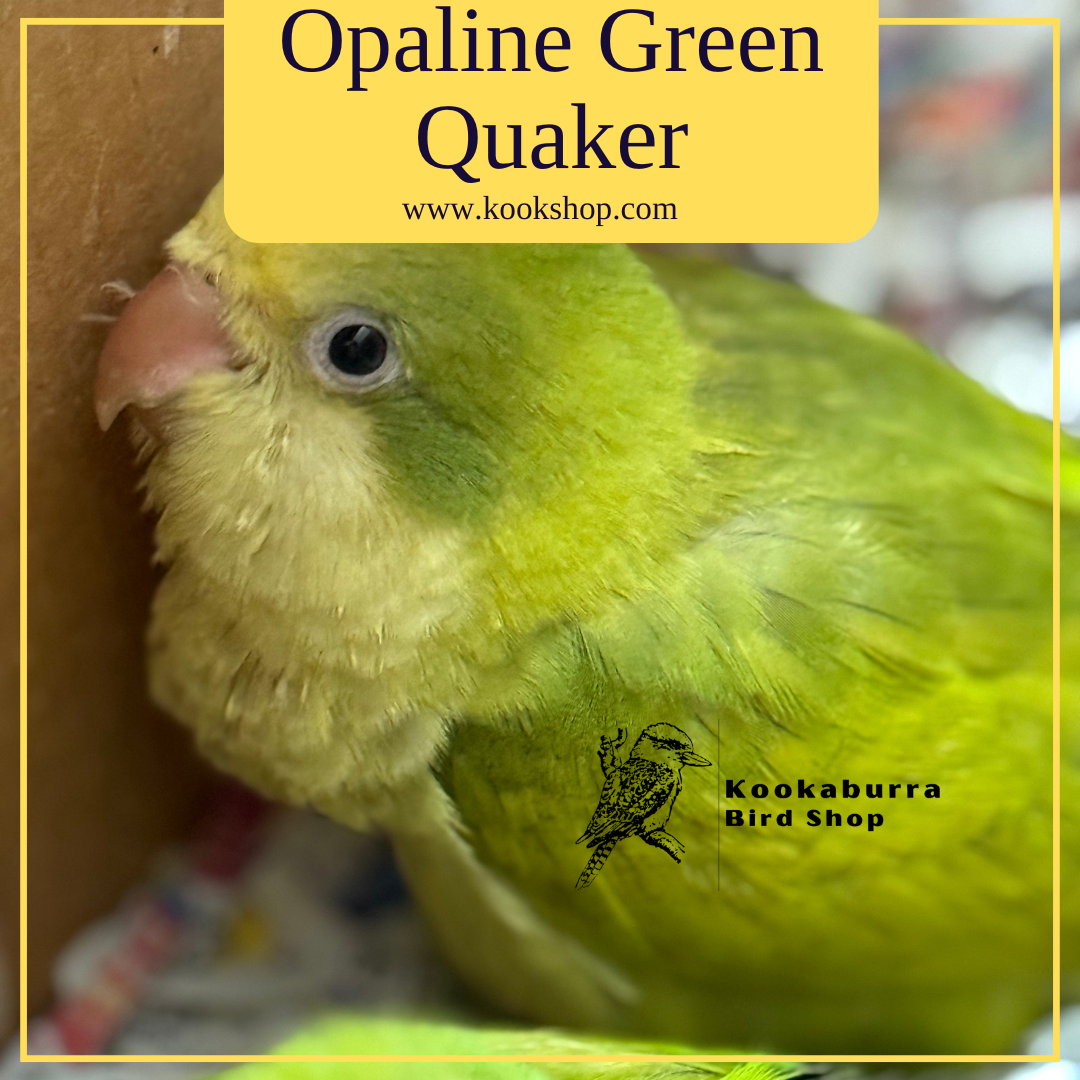
Opaline Green Quaker
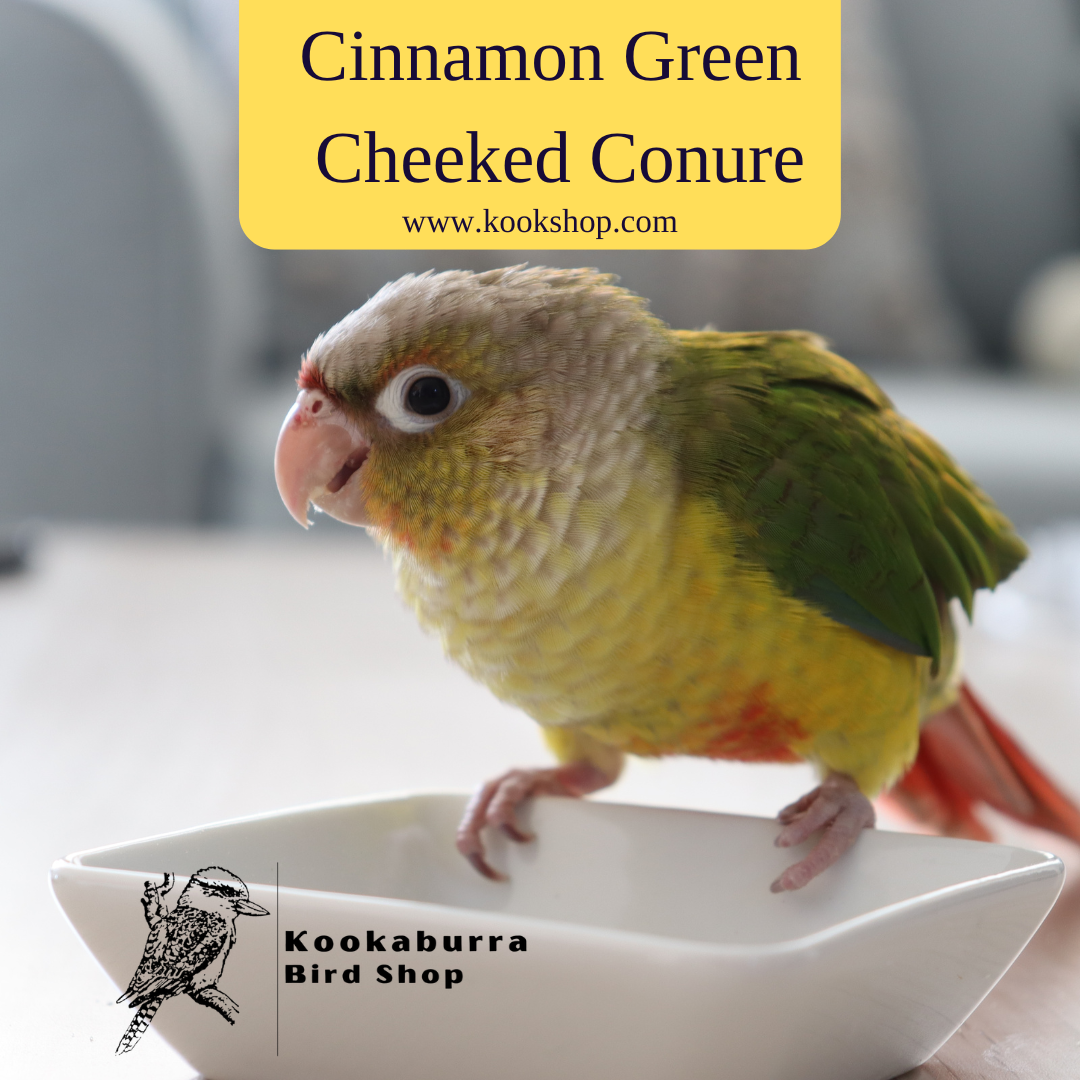
Cinnamon Green Cheeked Conure
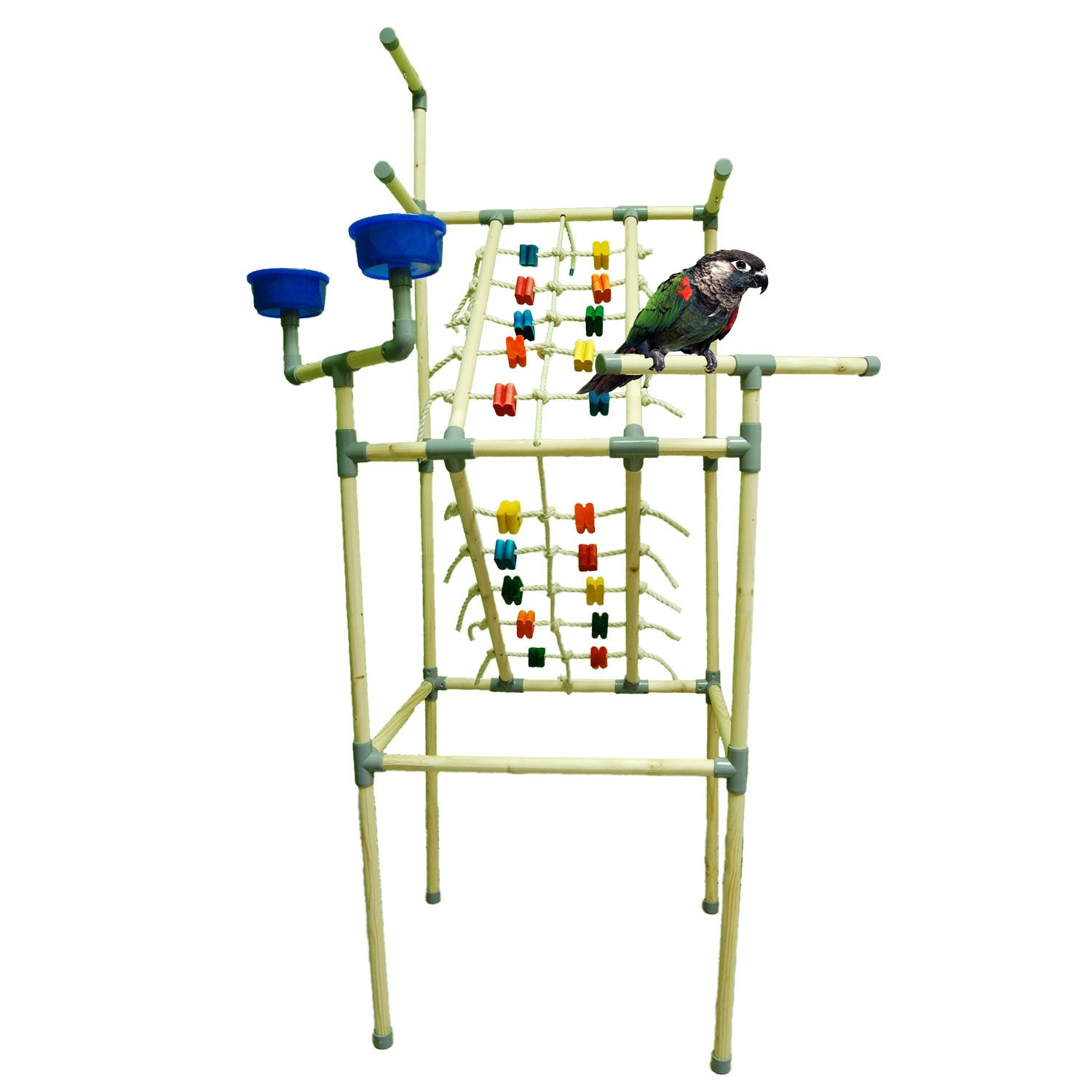
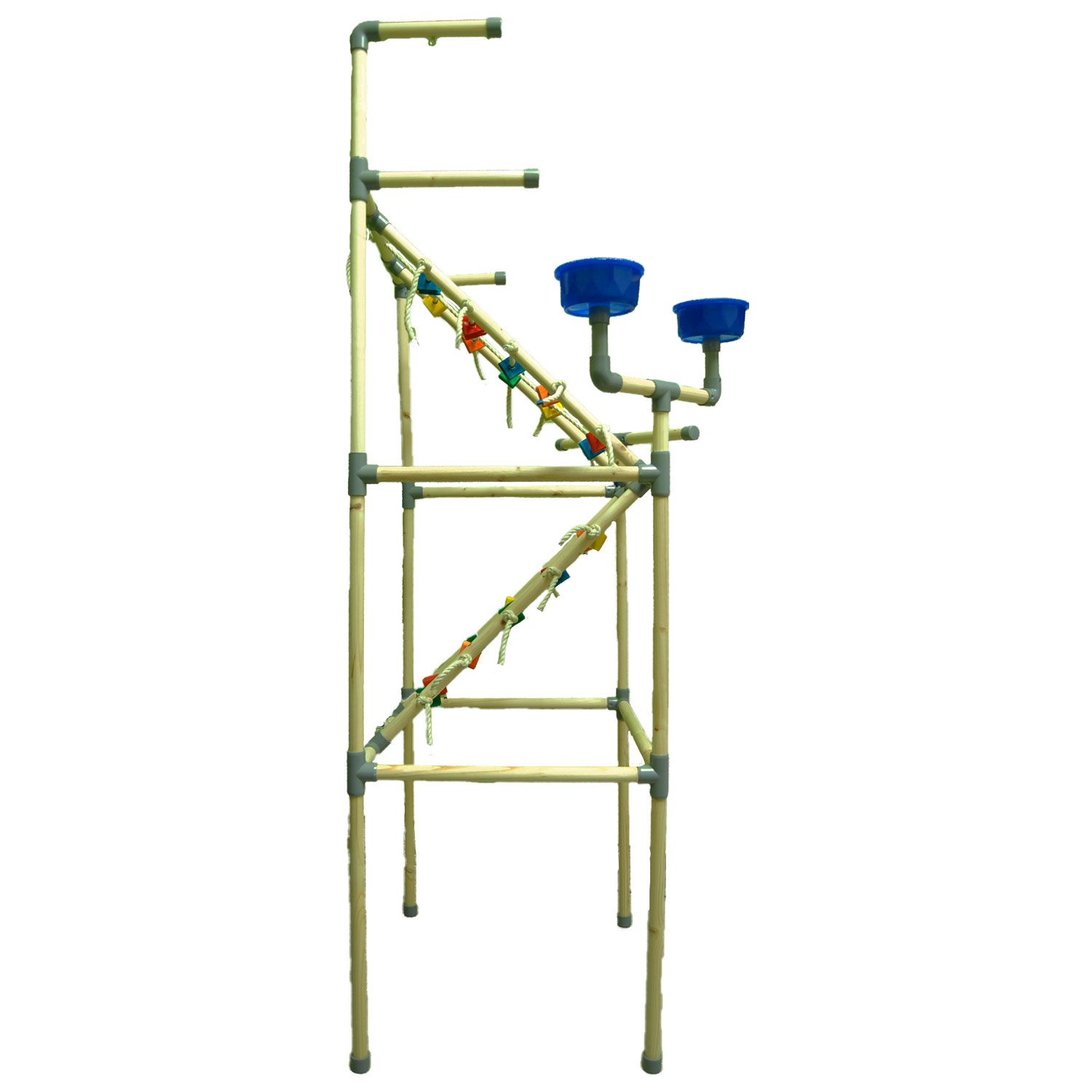
Small Wood Playgym (18" x 21" x 61")
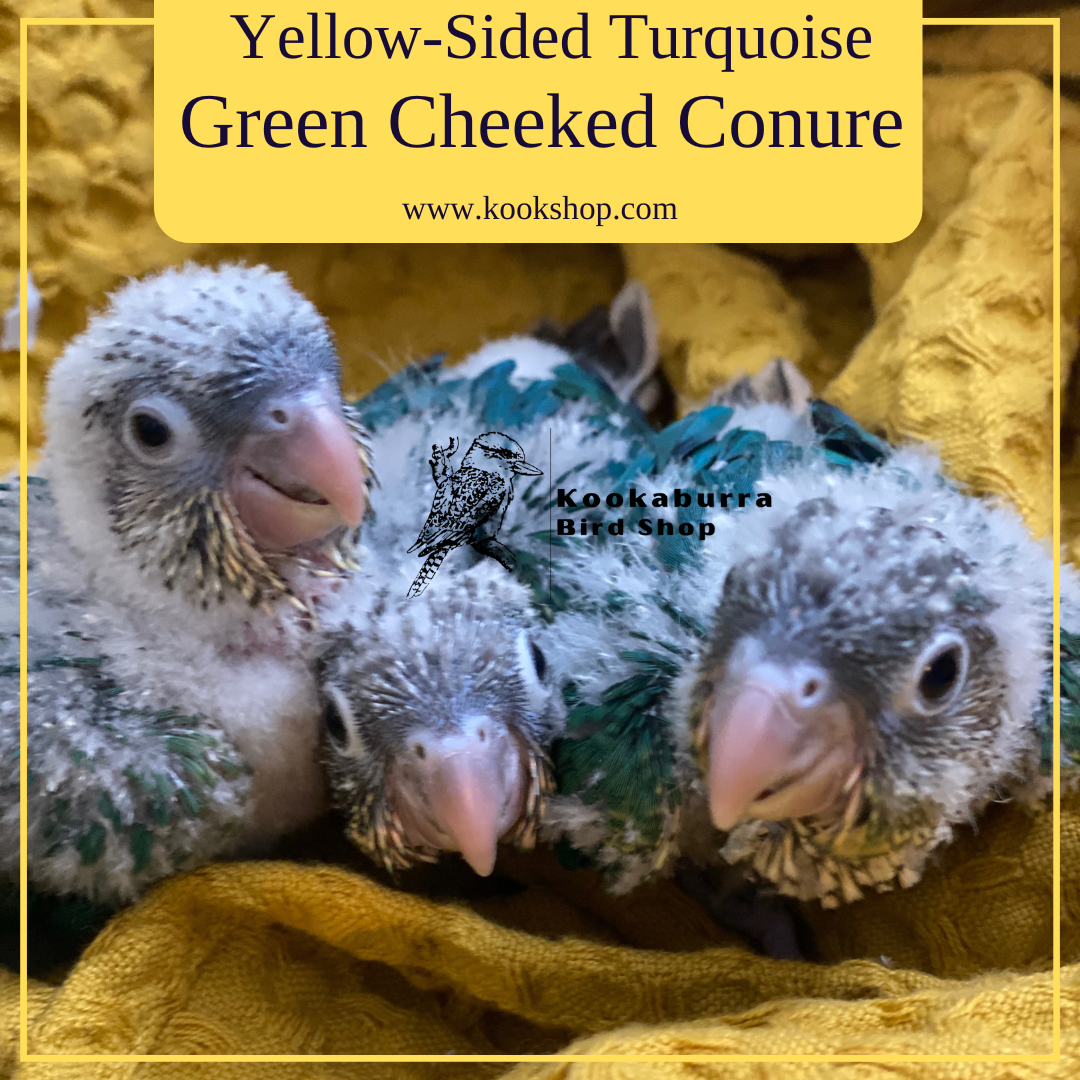
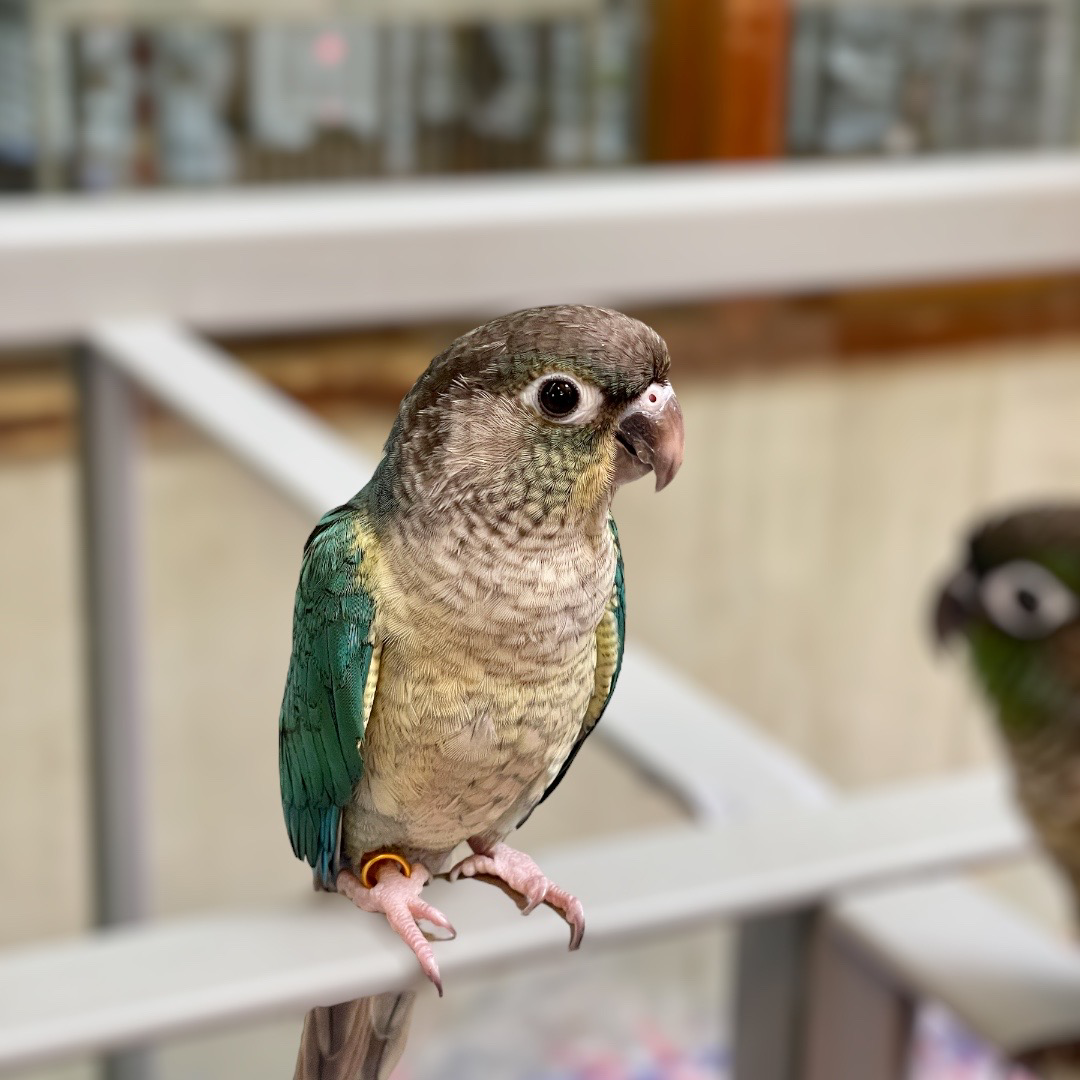
Yellow-Sided Turquoise Green Cheeked Conure
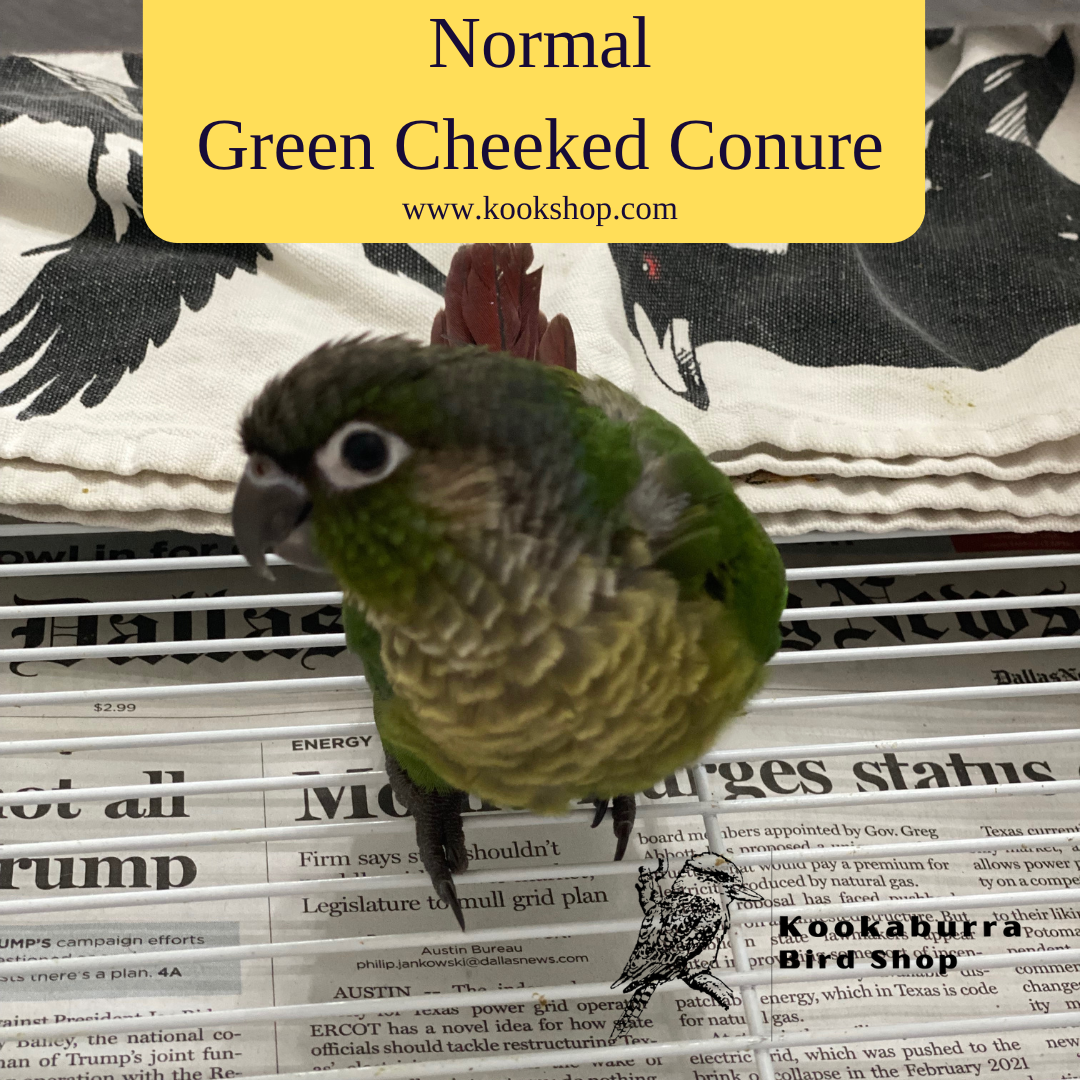
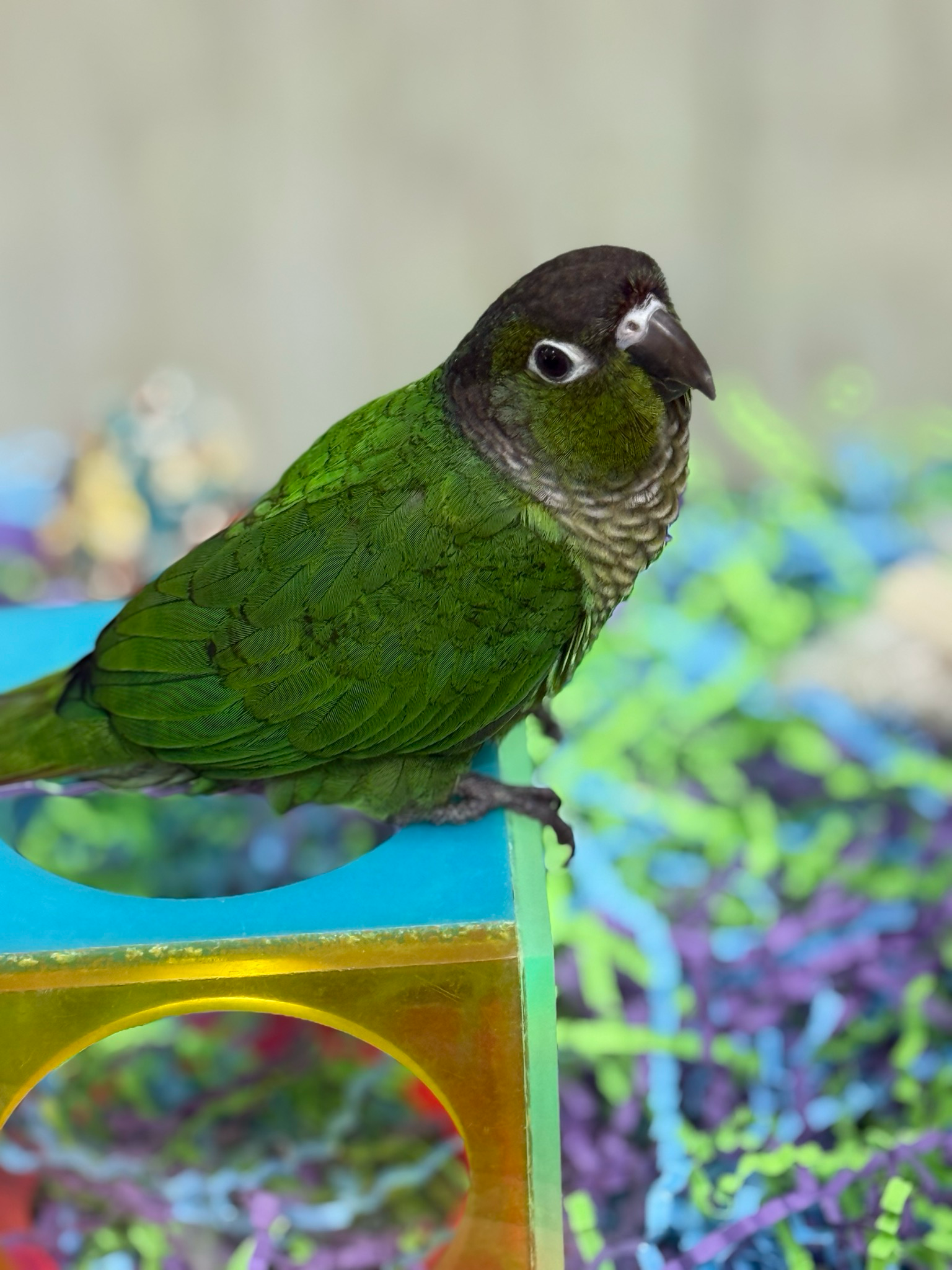
Green Cheeked Conure
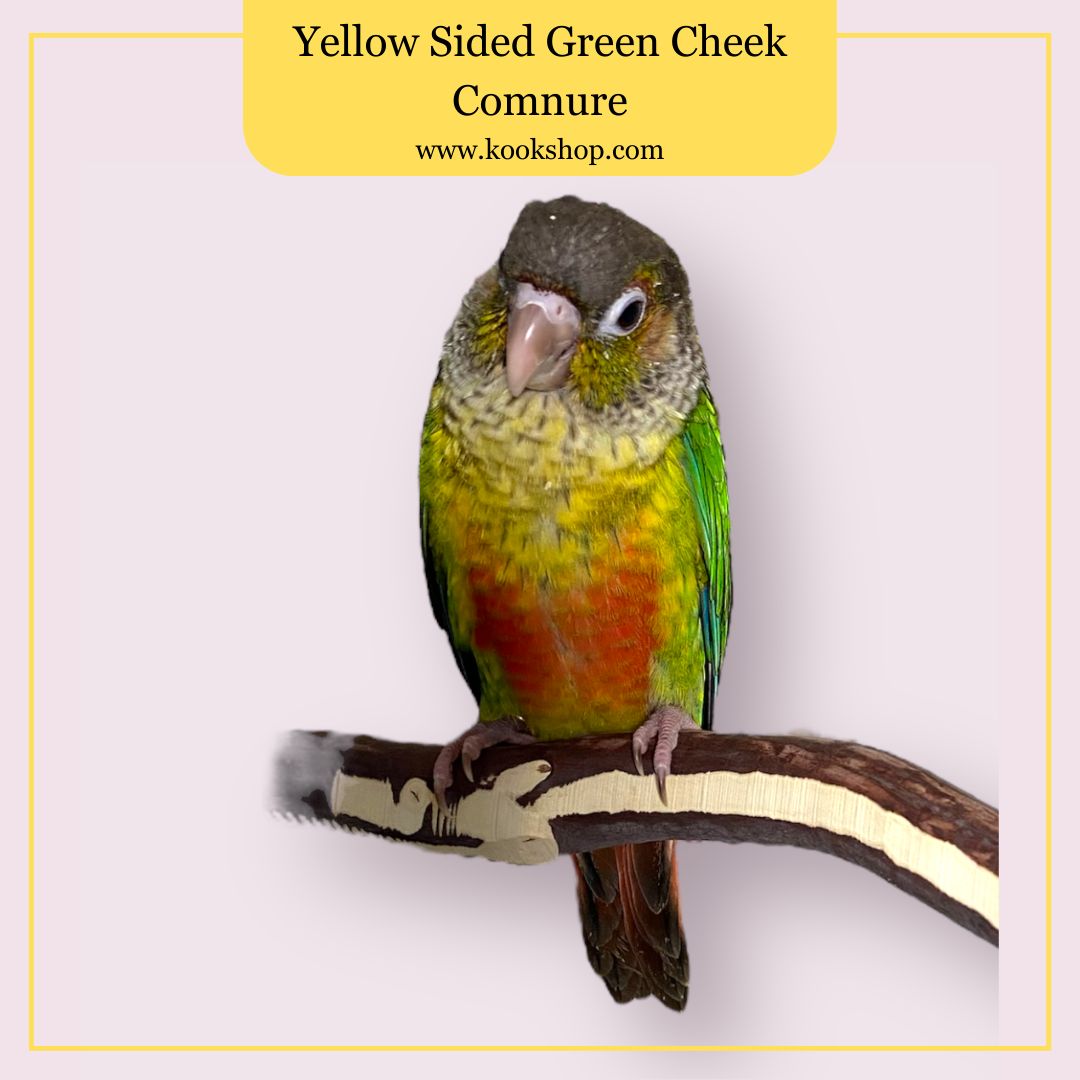
Yellow Sided Green Cheeked Conure
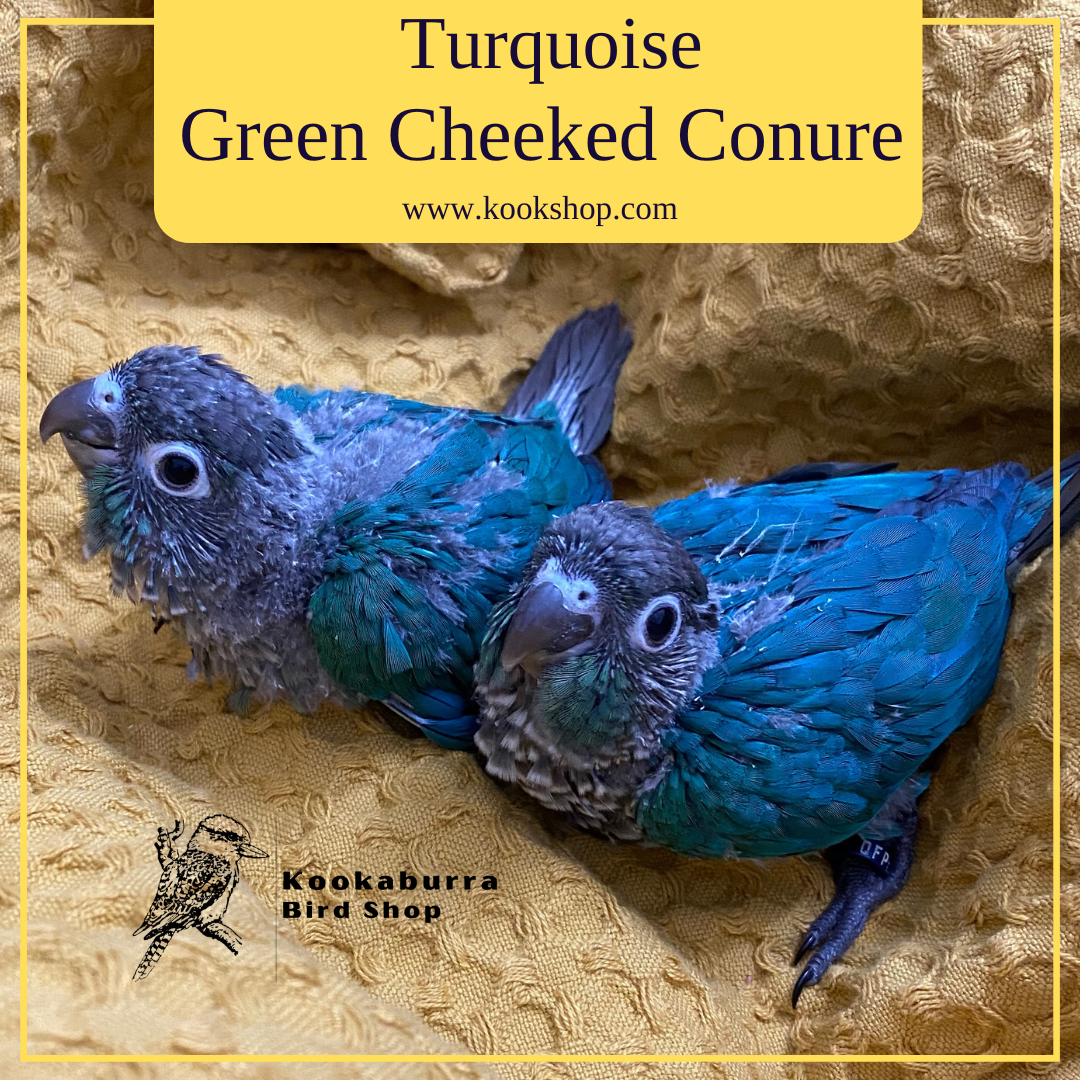
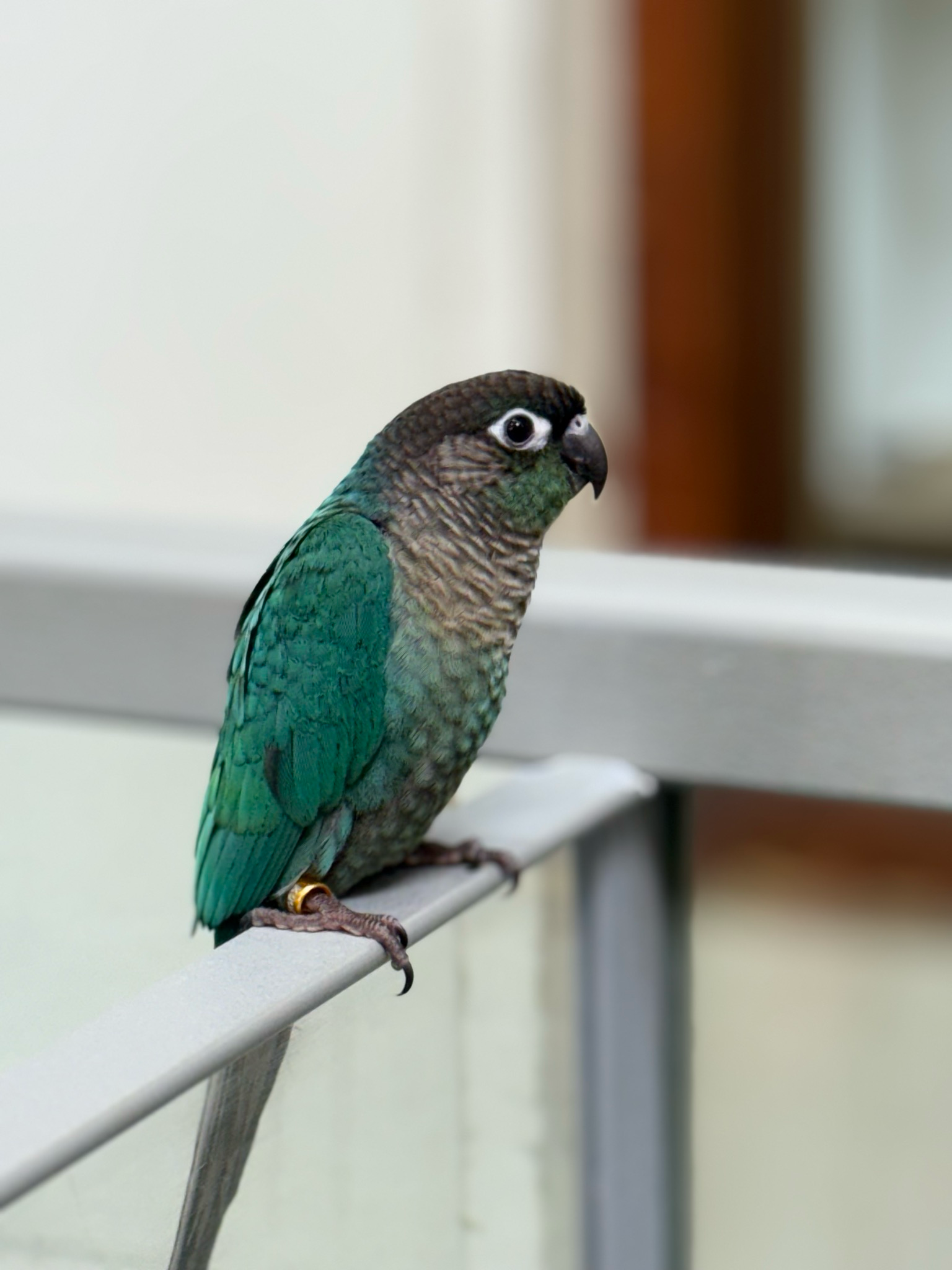
Turquoise Green Cheeked Conure
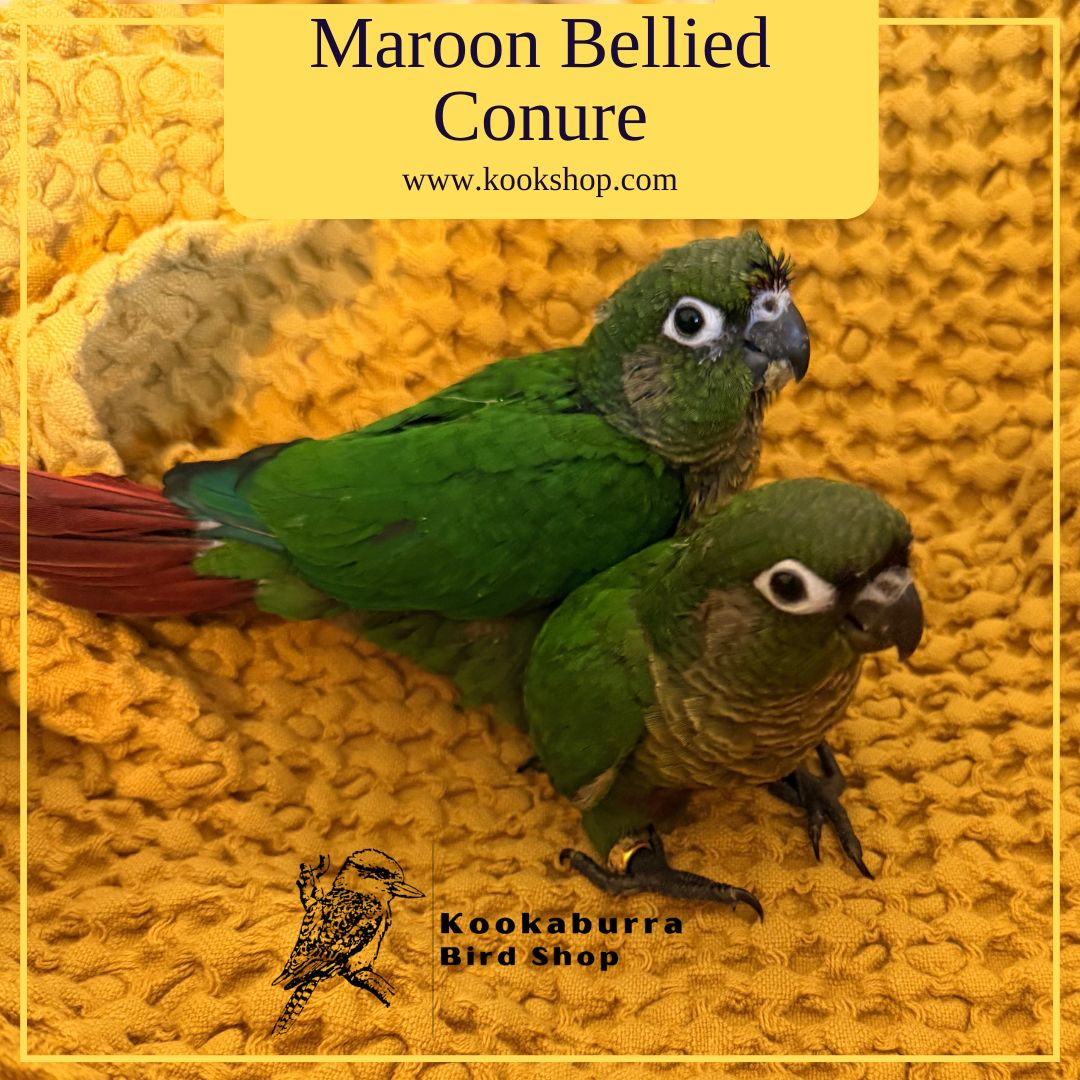
Maroon Bellied Conure
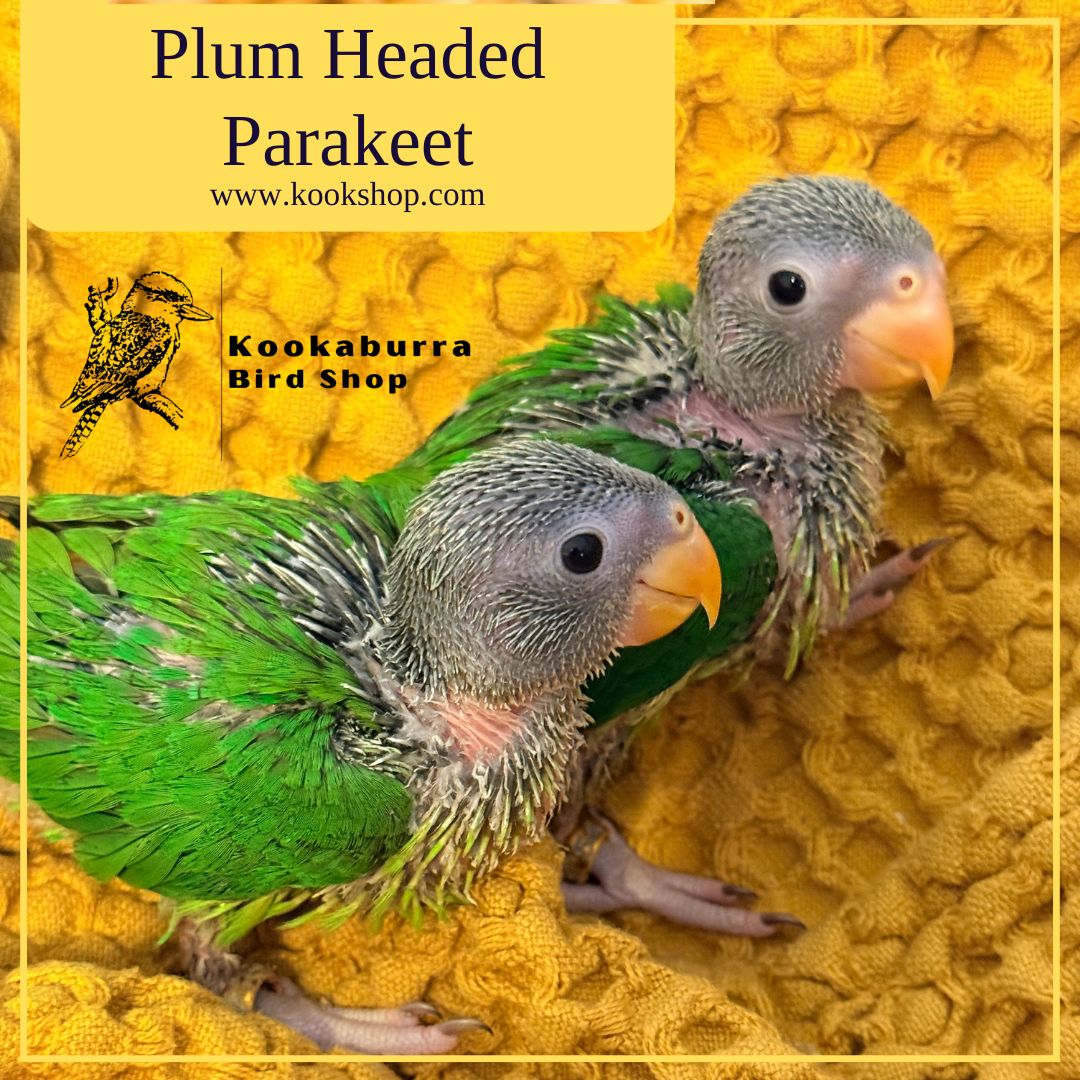
Plum Headed Parakeet
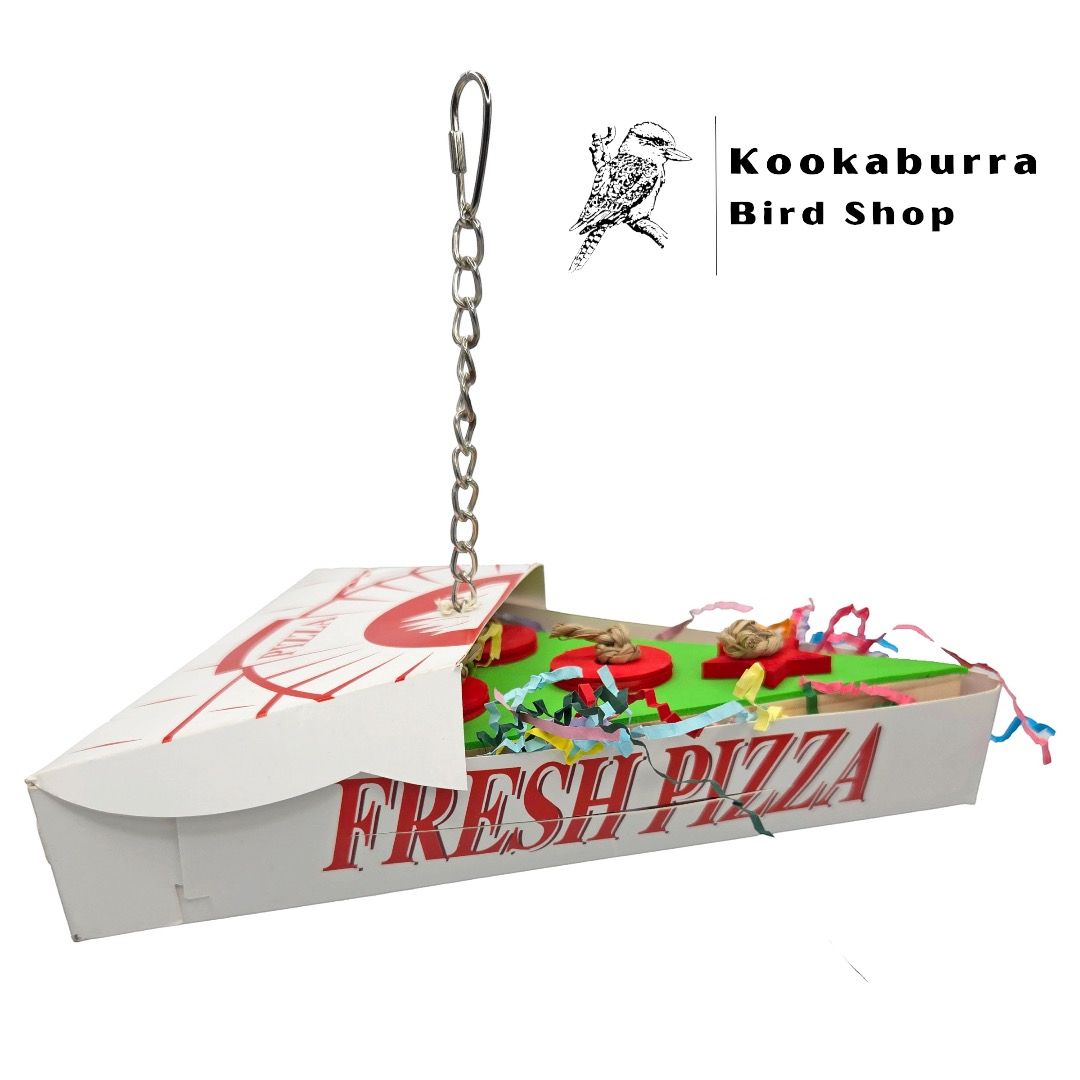
Pizza Take out
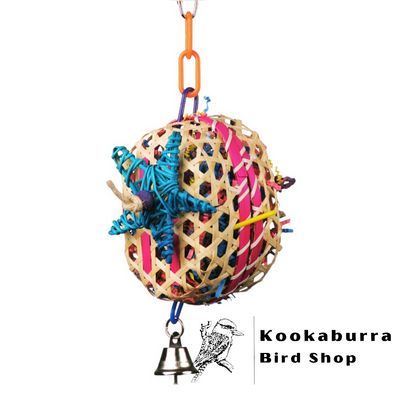
Basket Case
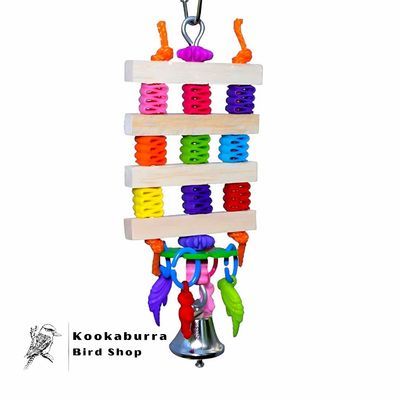
Balsa Bling
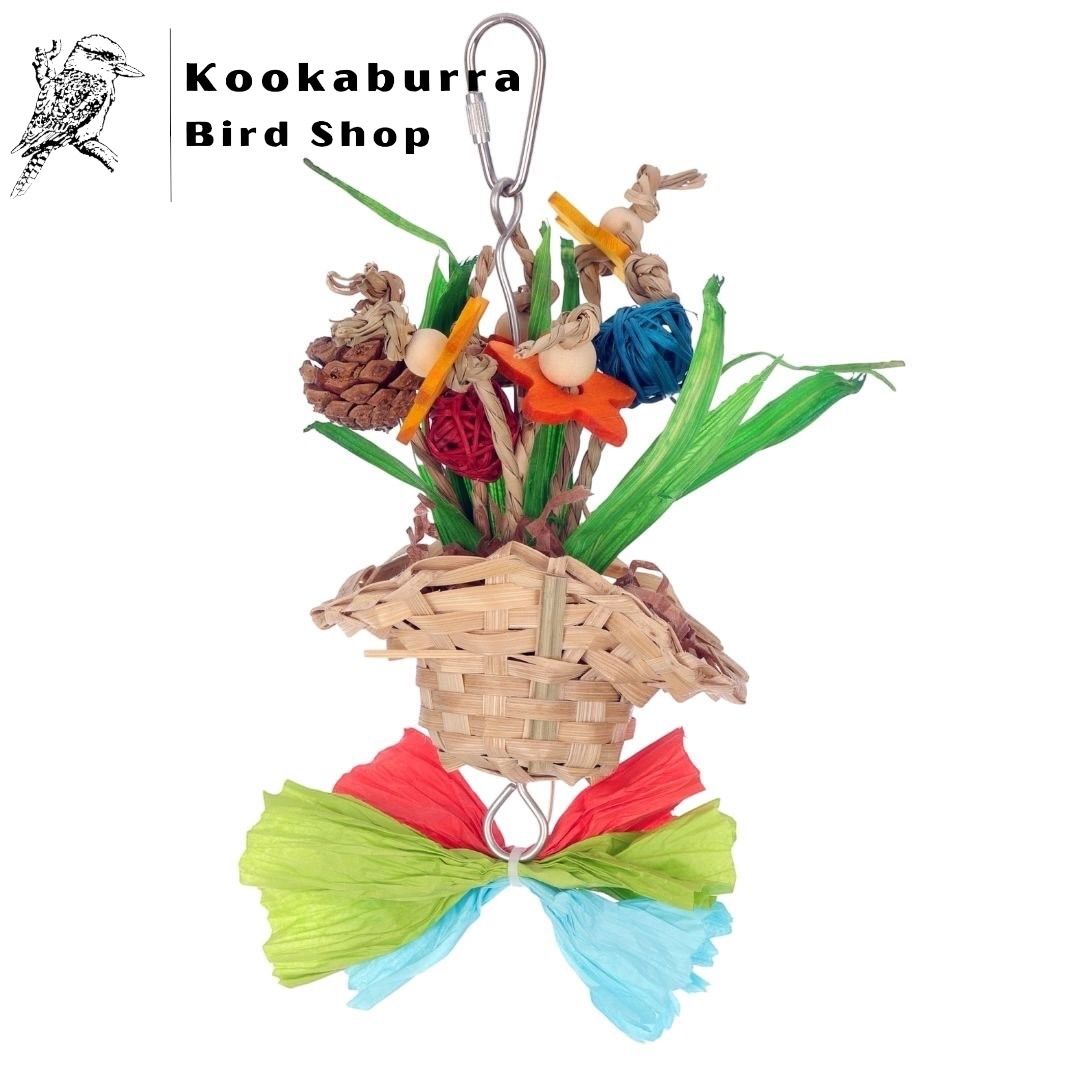
Spring Flowers
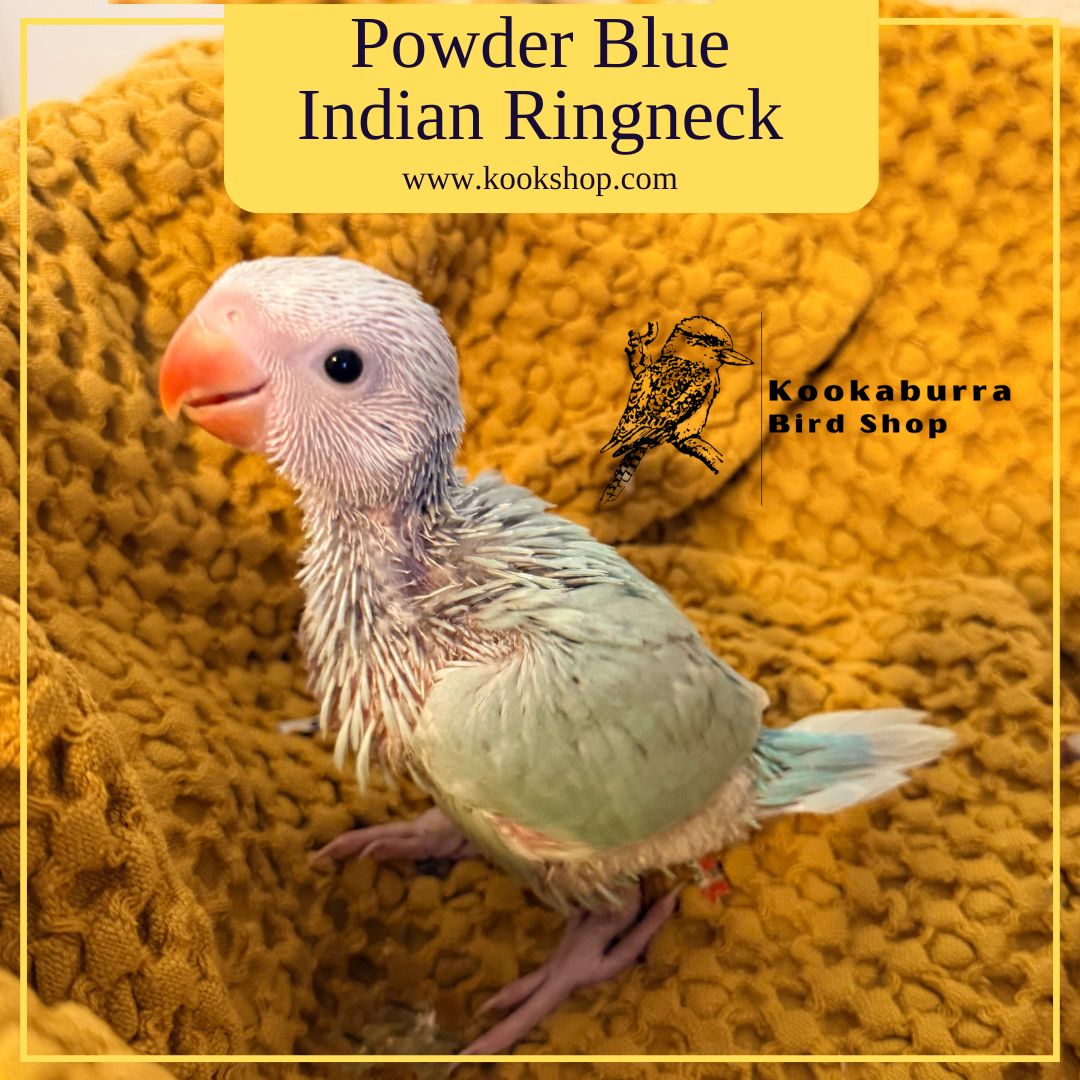
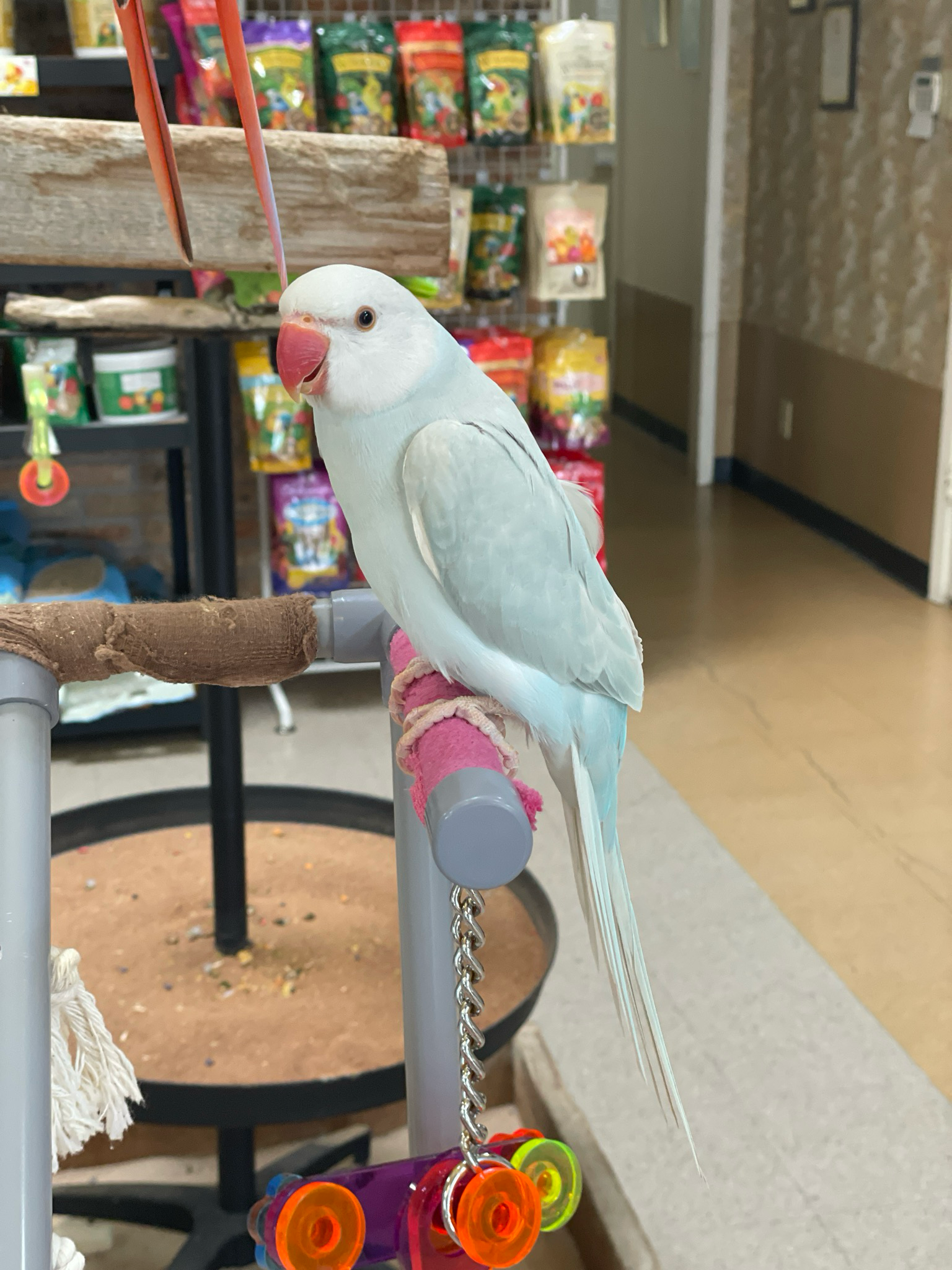
Powder Blue Indian Ringneck Parakeet
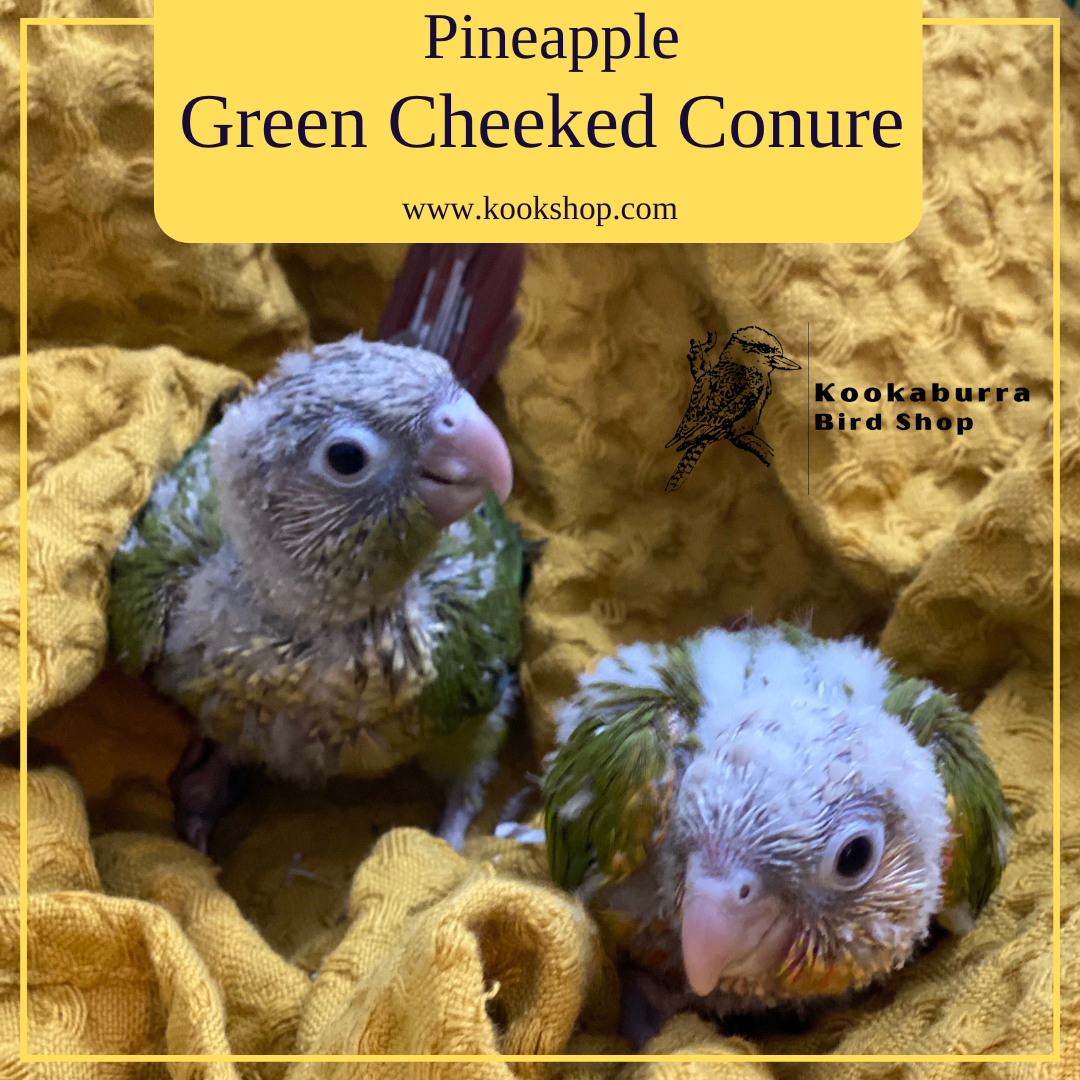
Assorted Green Cheeked Conure
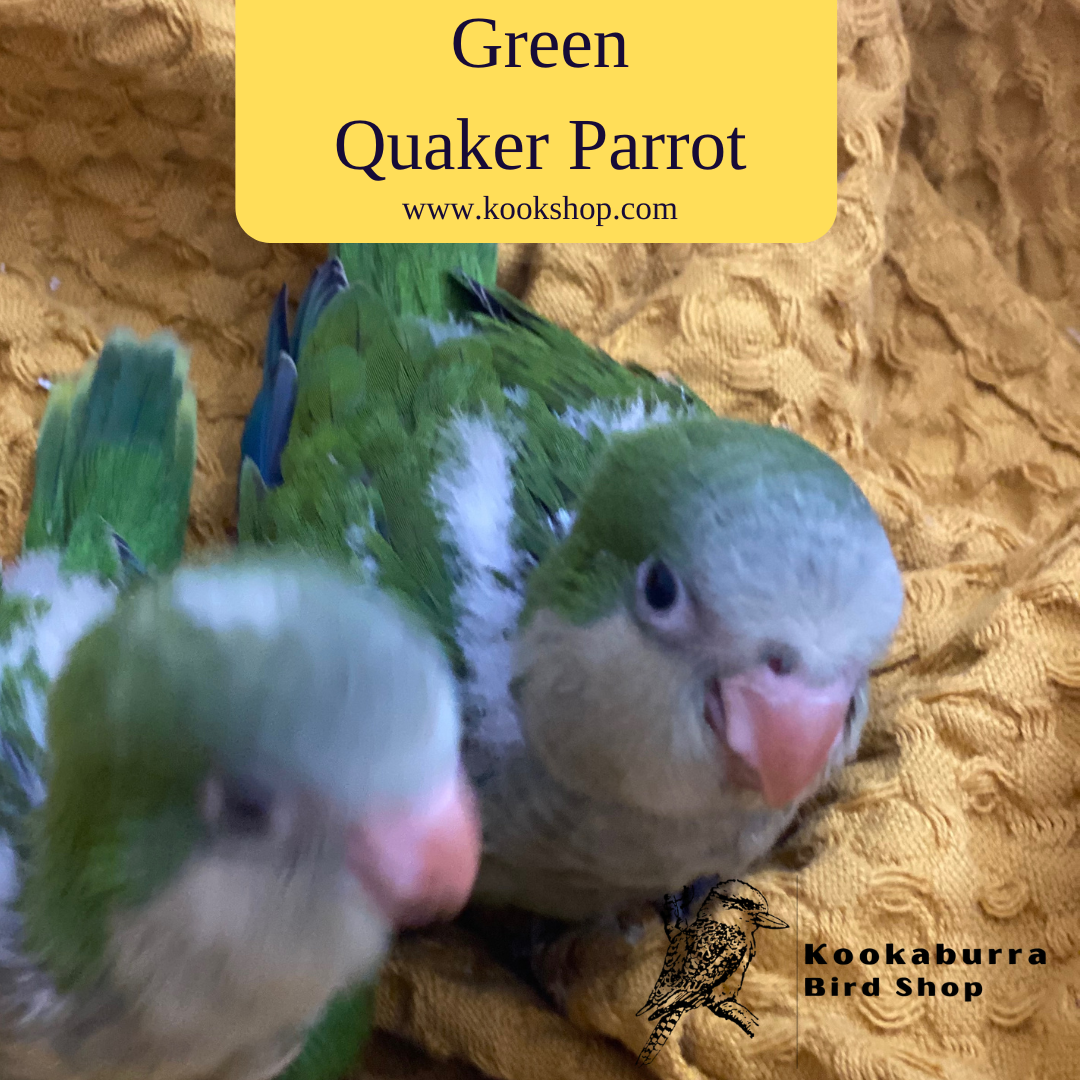
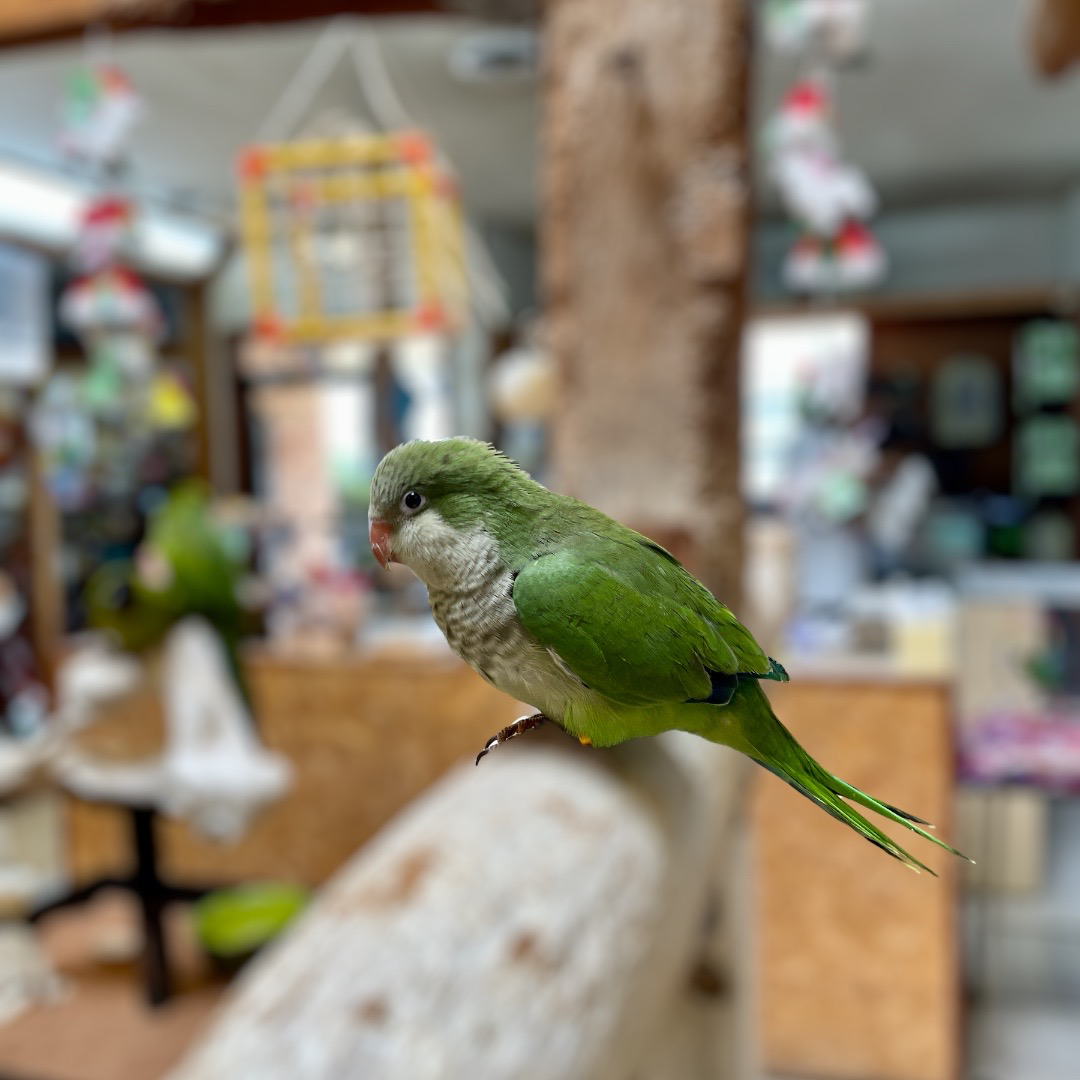
Green Quaker Parrot
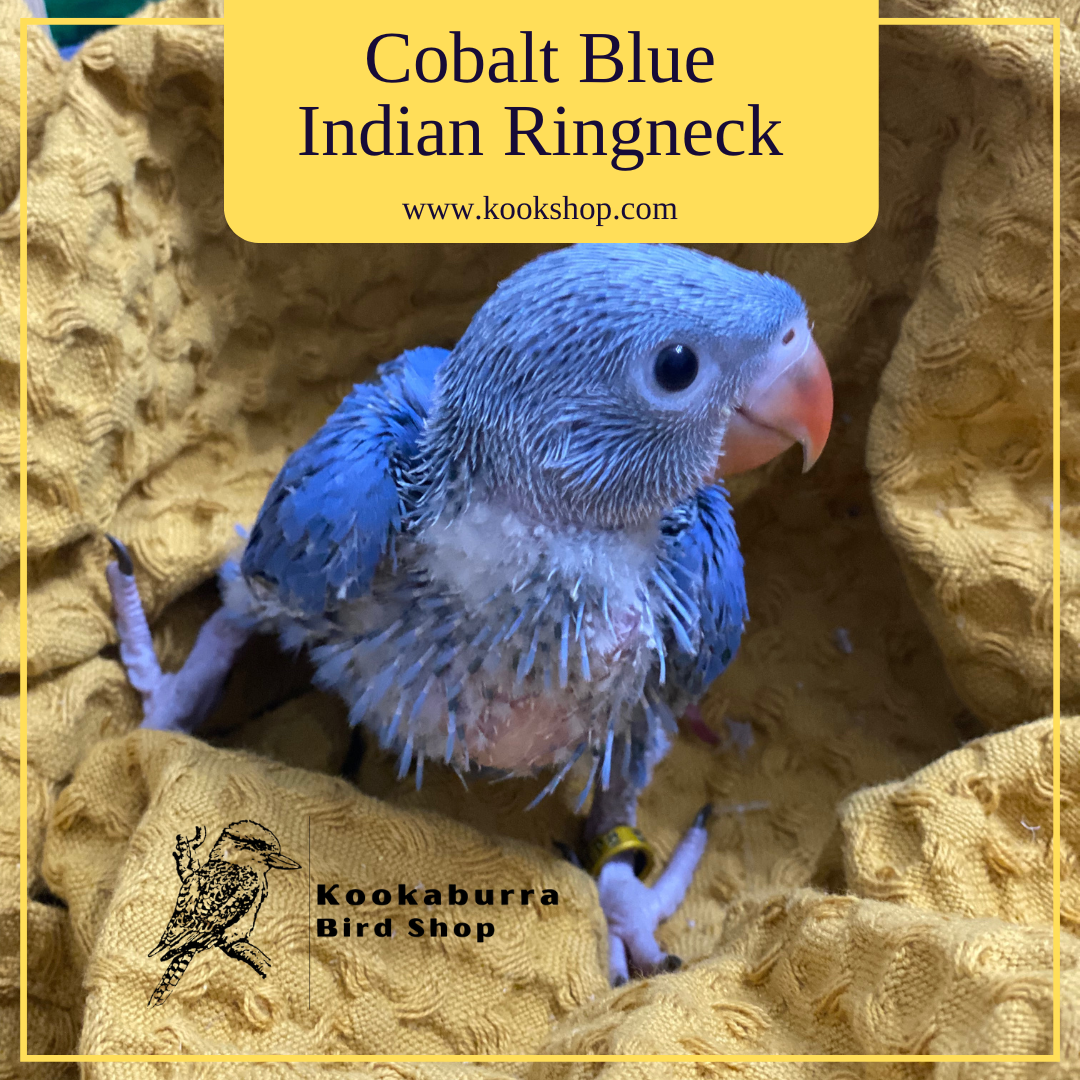
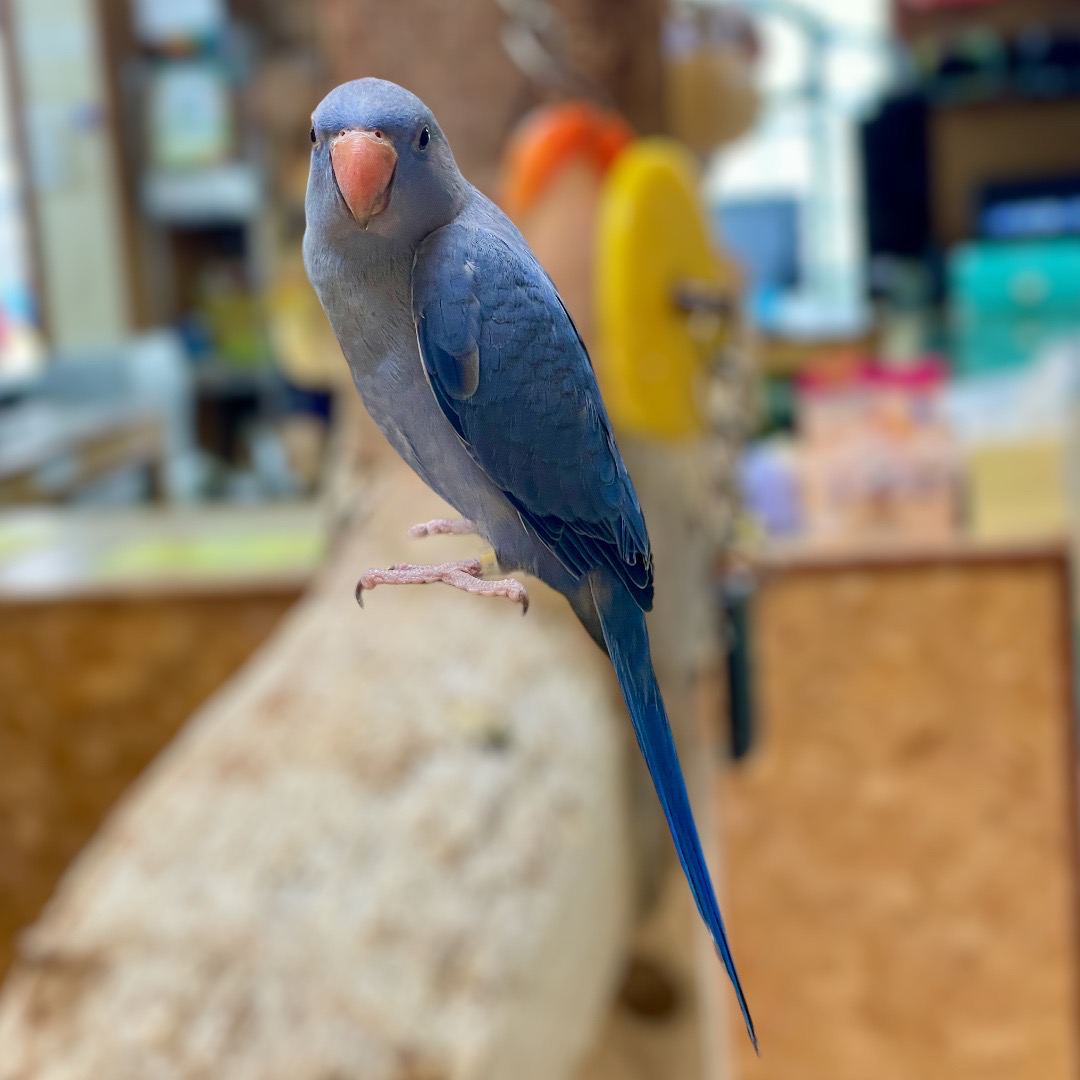
Cobalt/Violet Blue Indian Ringneck Parakeet

Colored Sizal Rope single
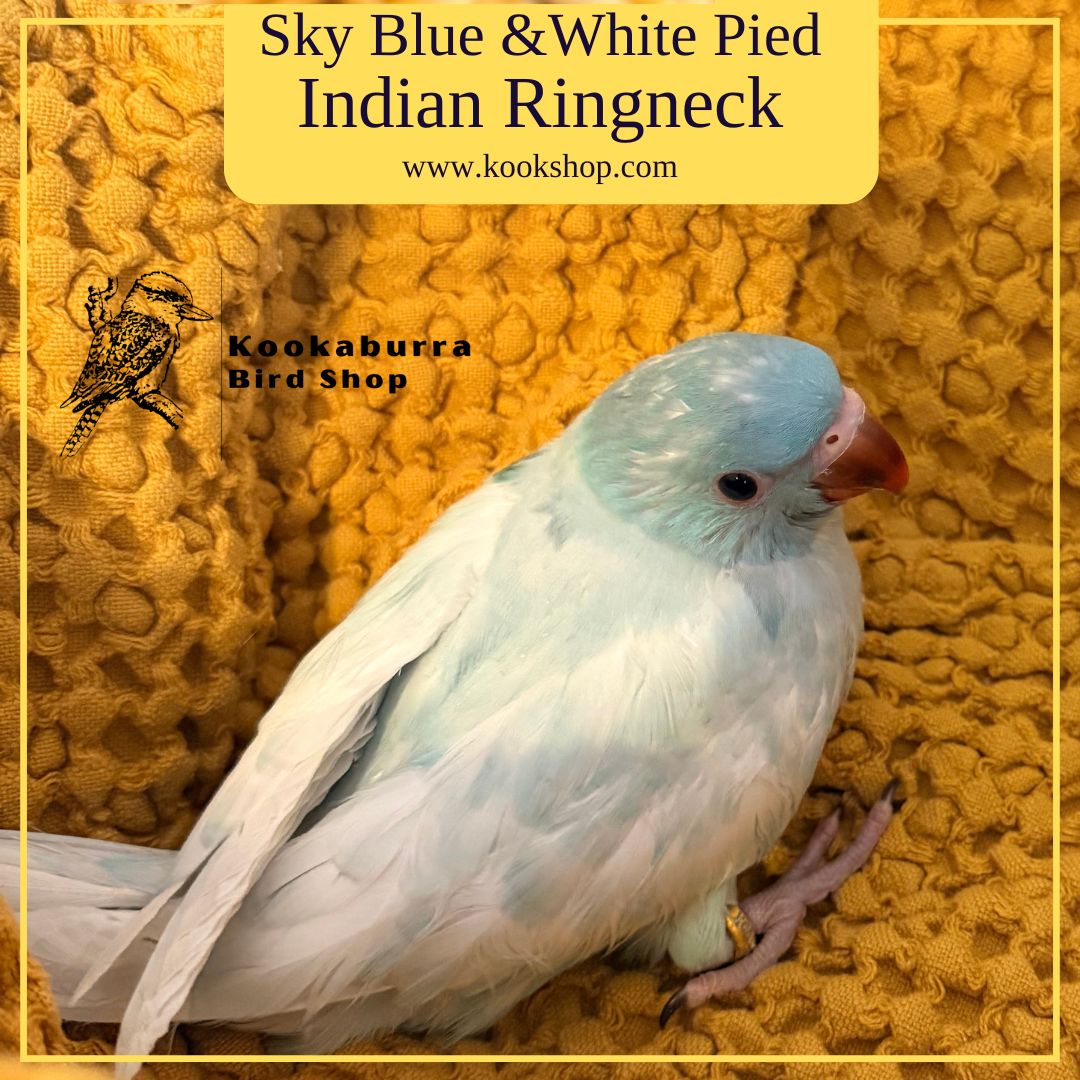
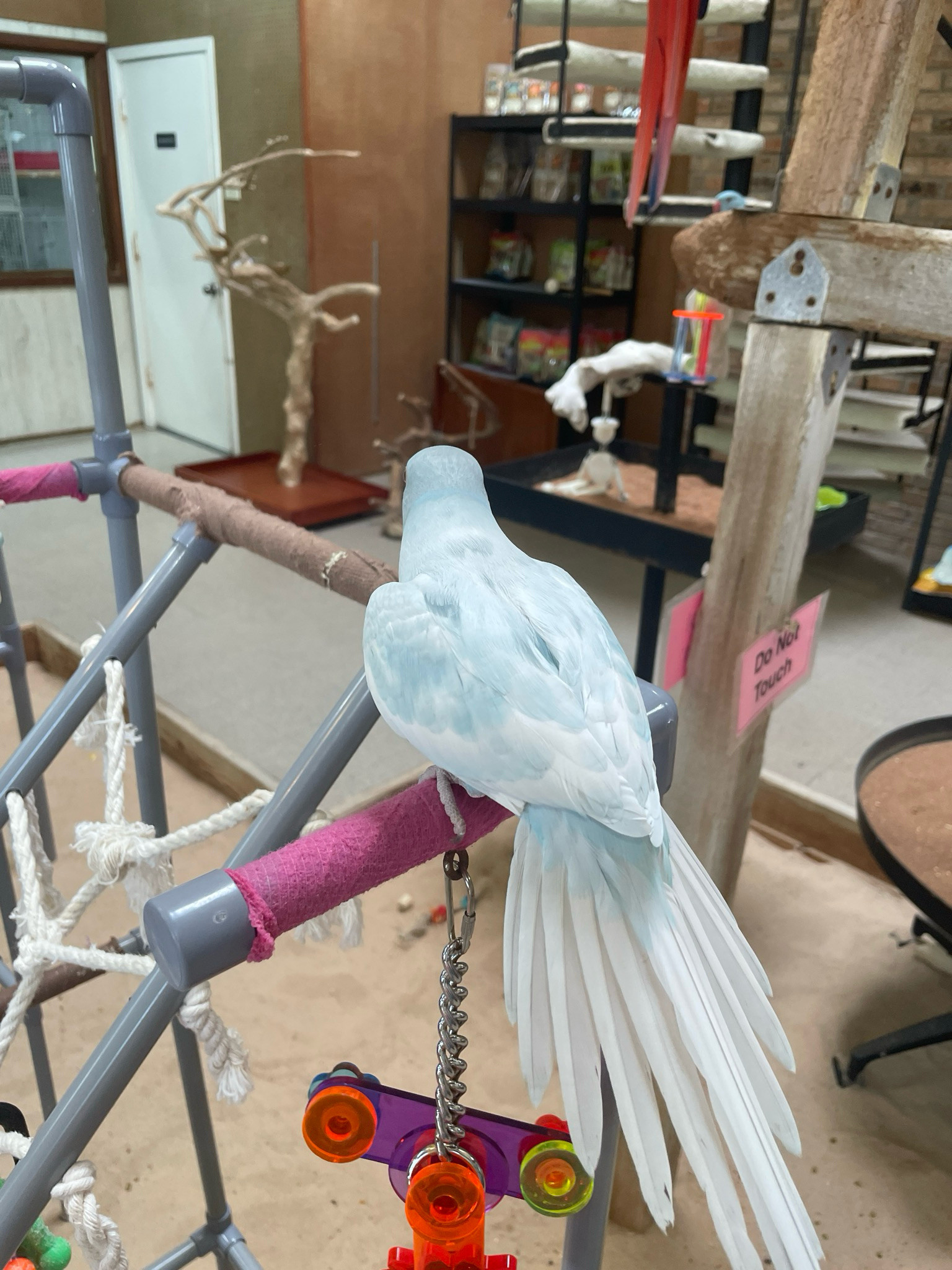
Sky Blue and White Pied Indian Ringneck Parakeet
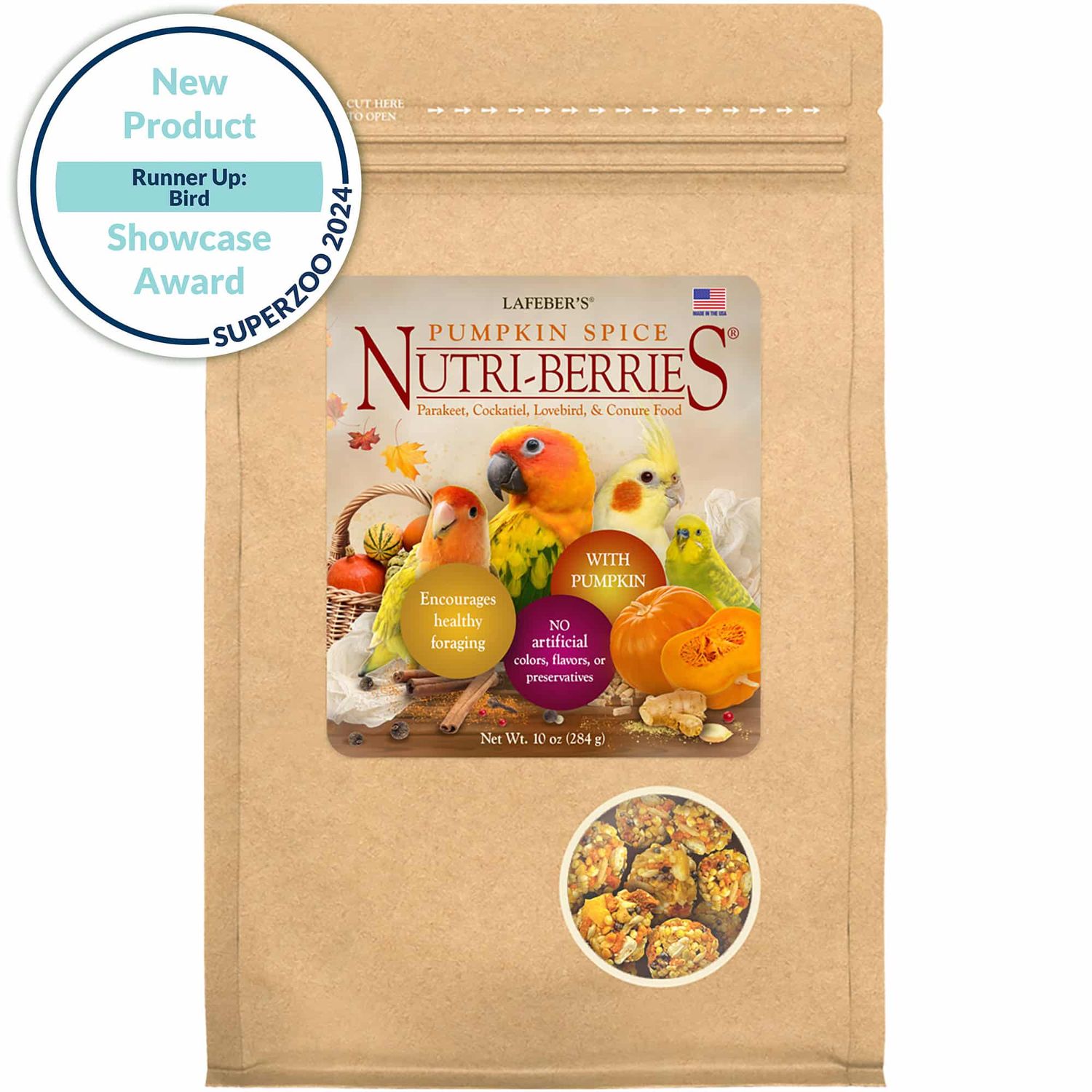
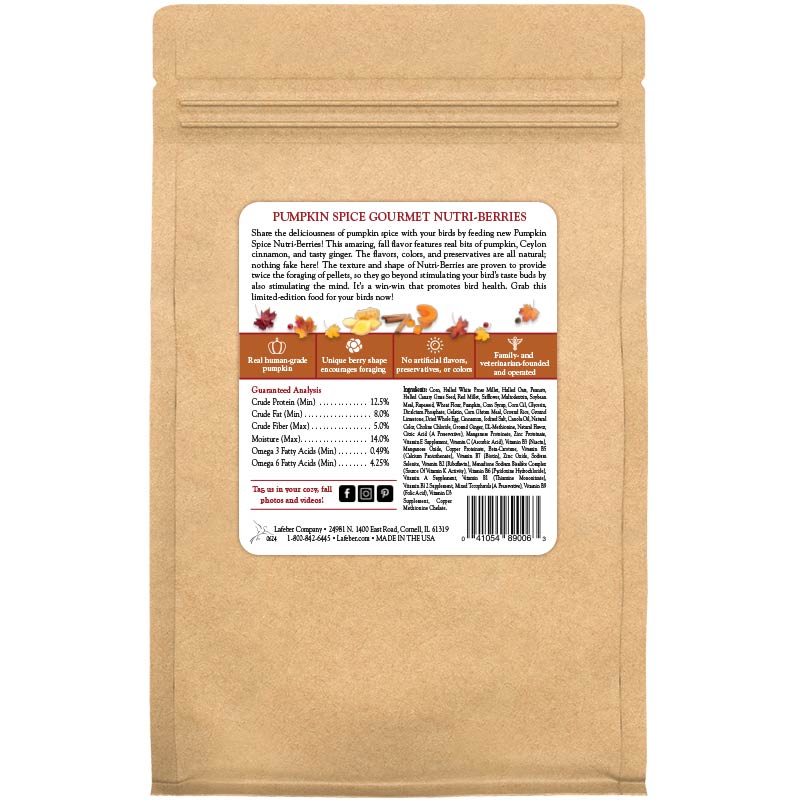
10oz Small Bird Pumpkin Spice Nutri-Berries
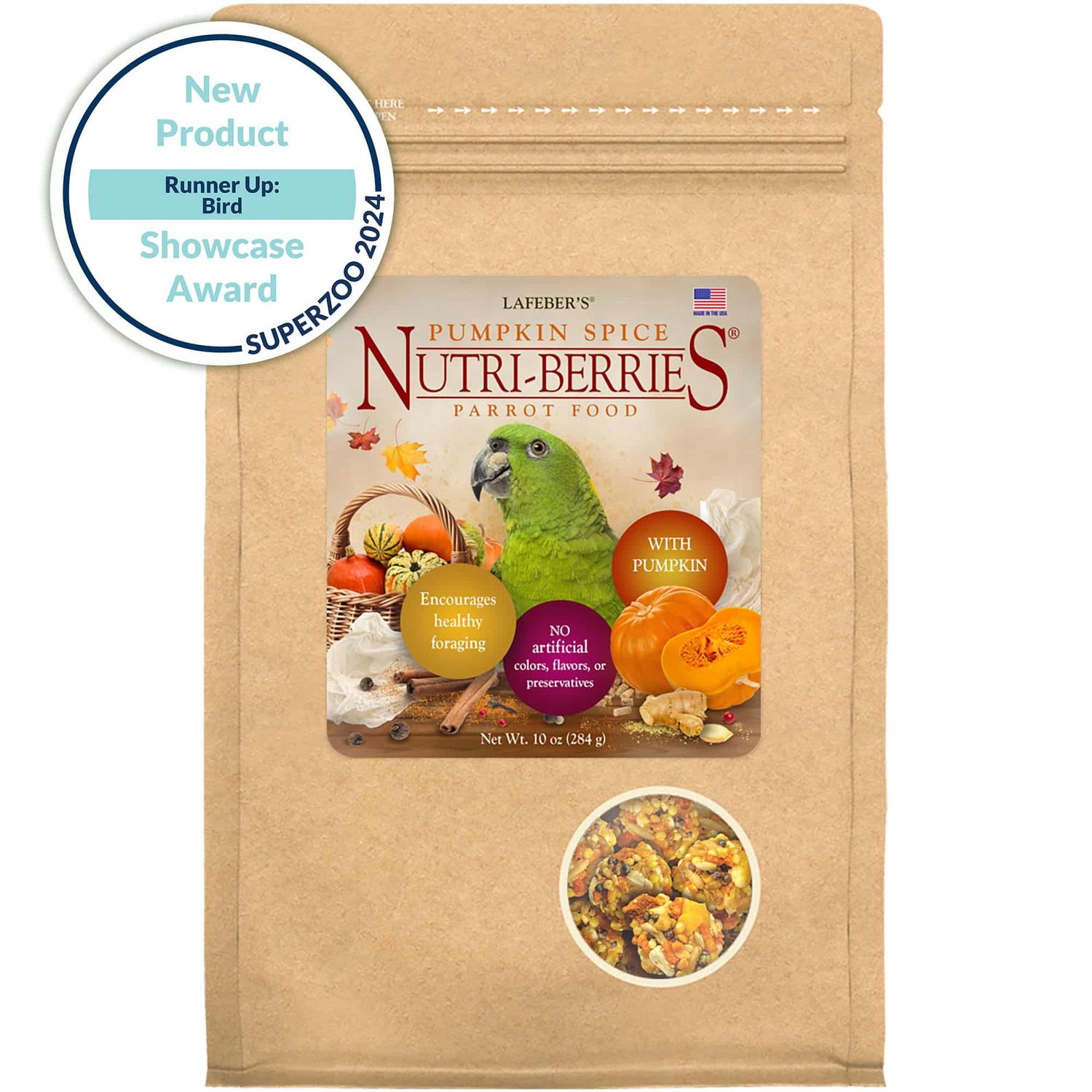
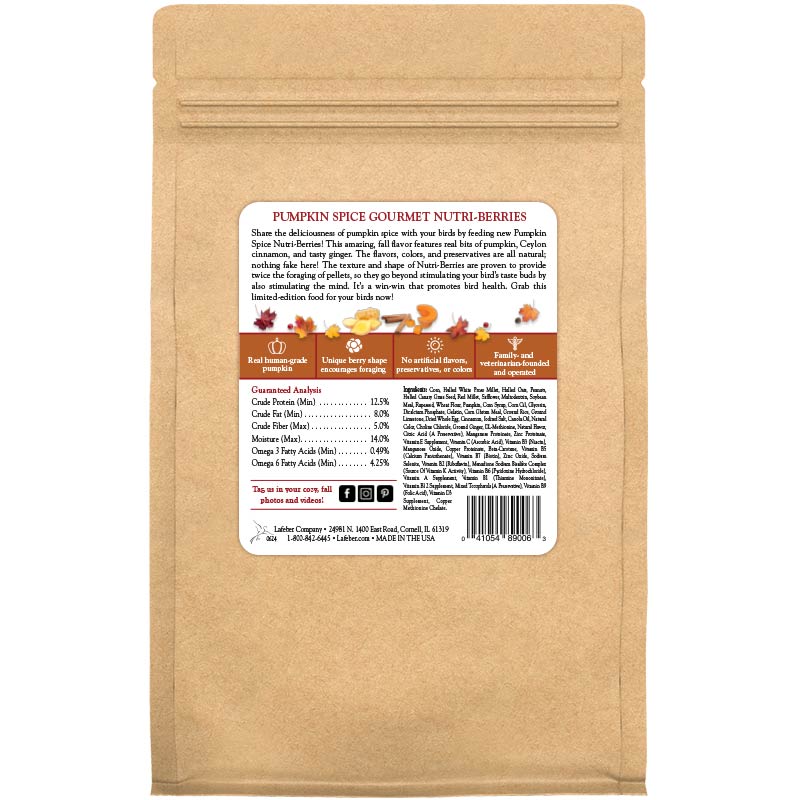
10oz Parrot Pumpkin Spice Nutri-Berries

Medium Oscar
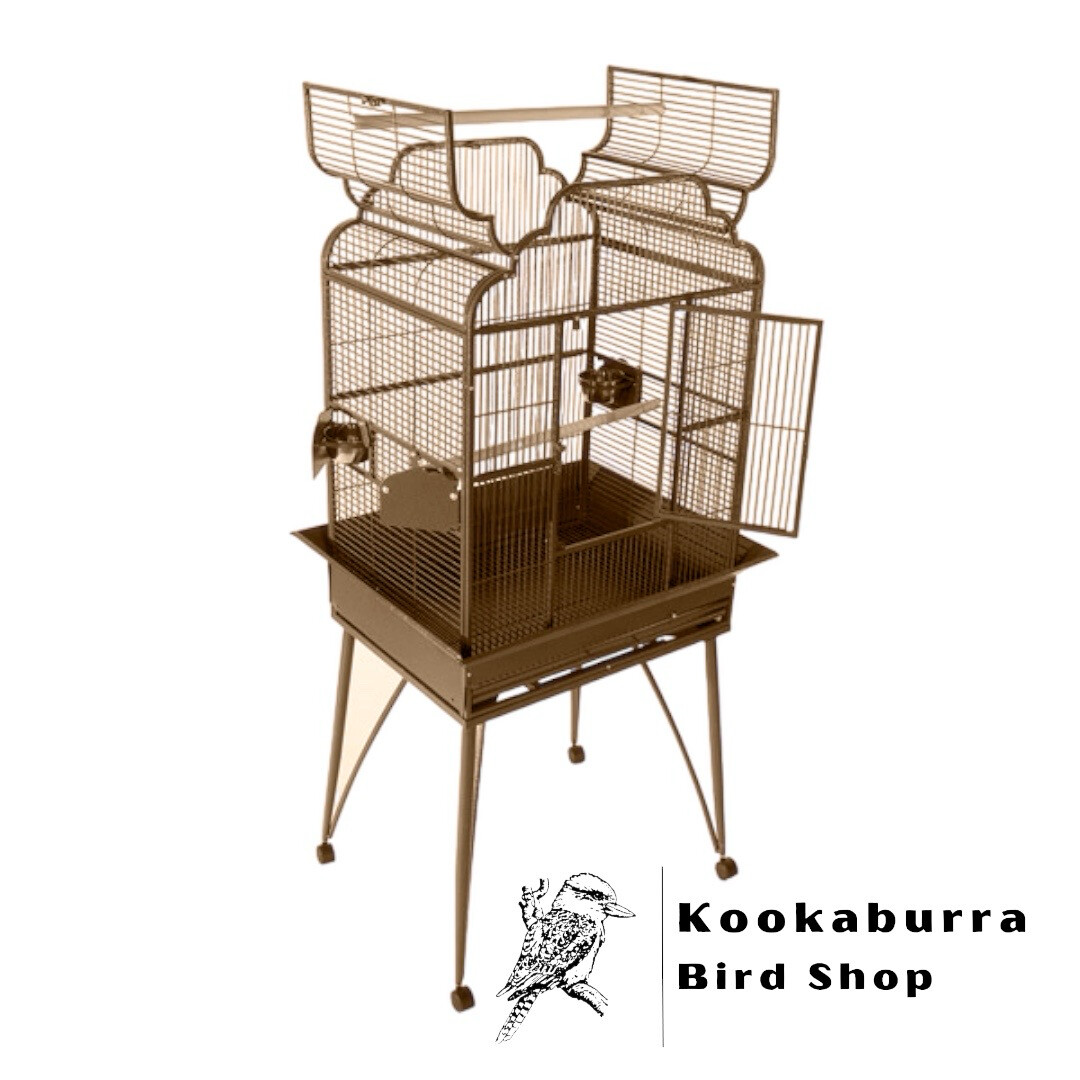
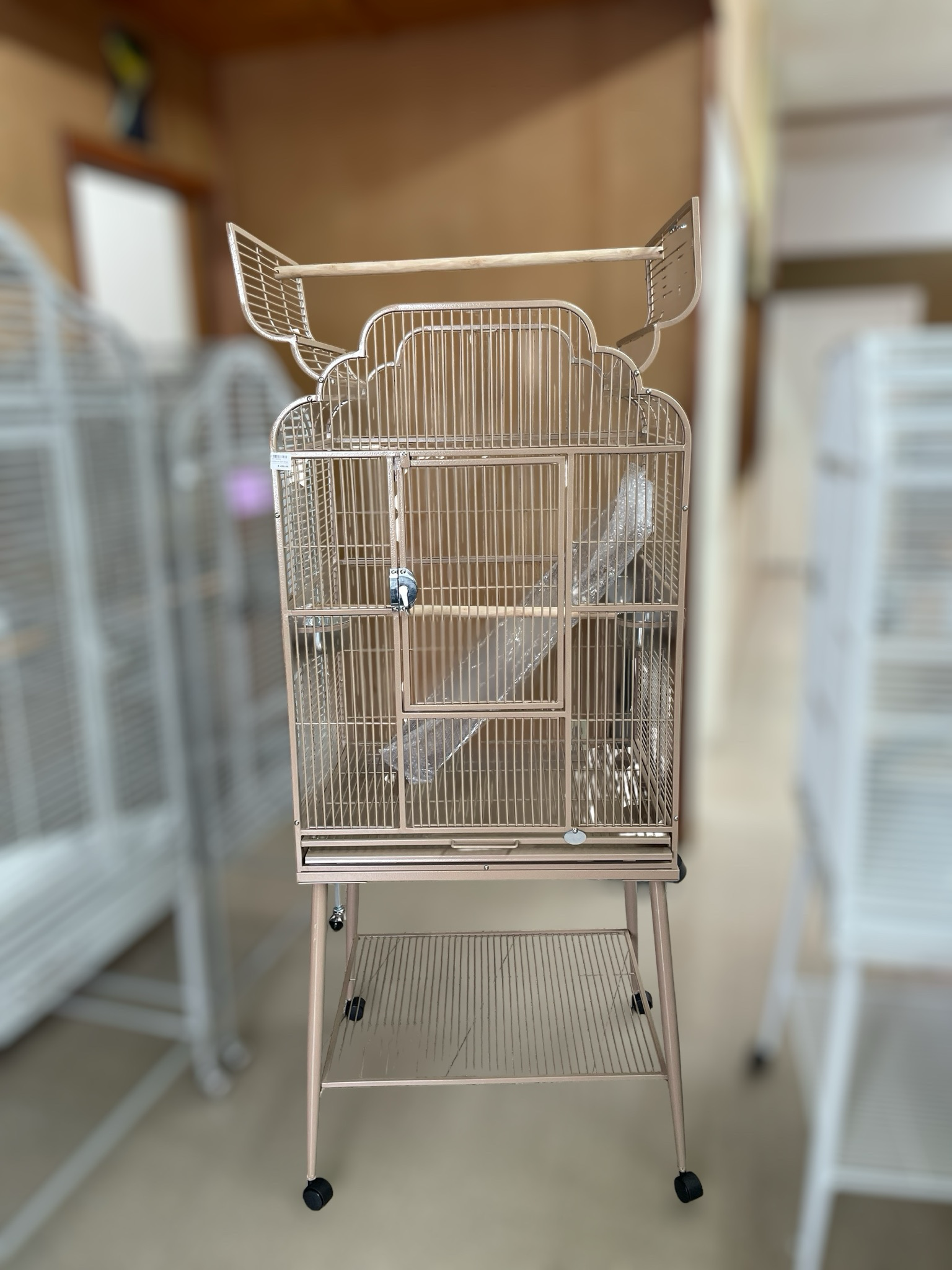
B-2620 Sandstone Victorian Open Top Cage
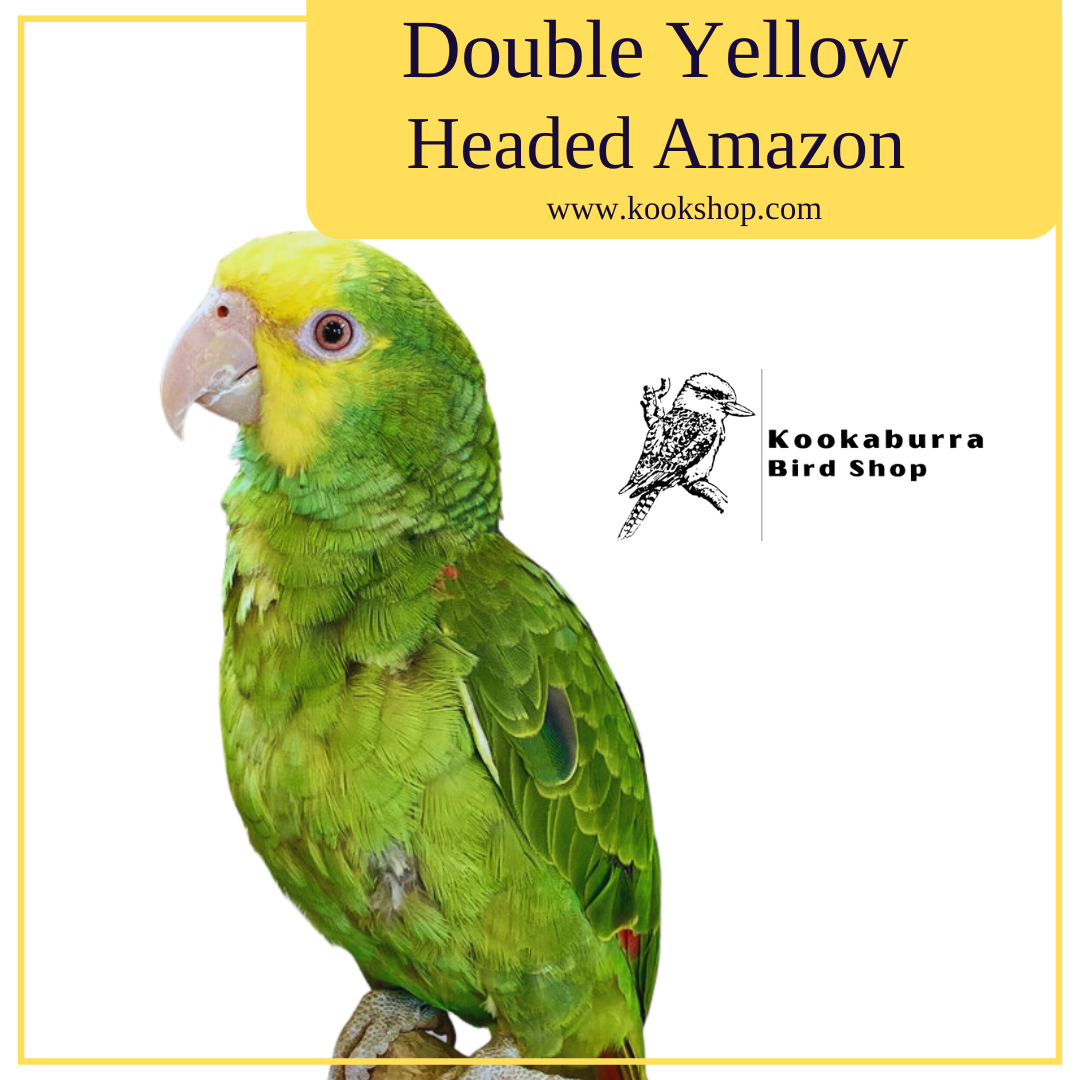
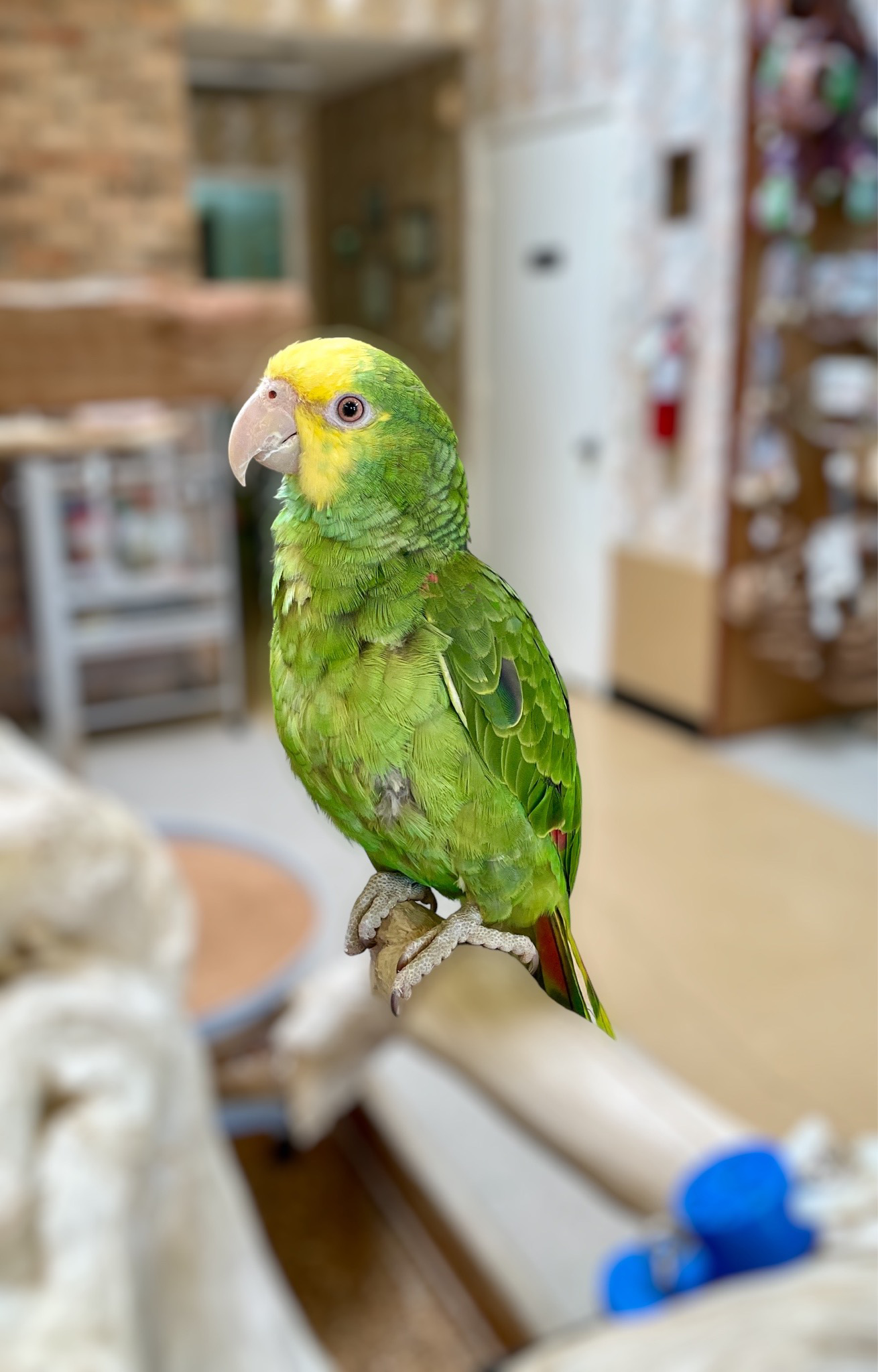
Double Yellow Head Amazon
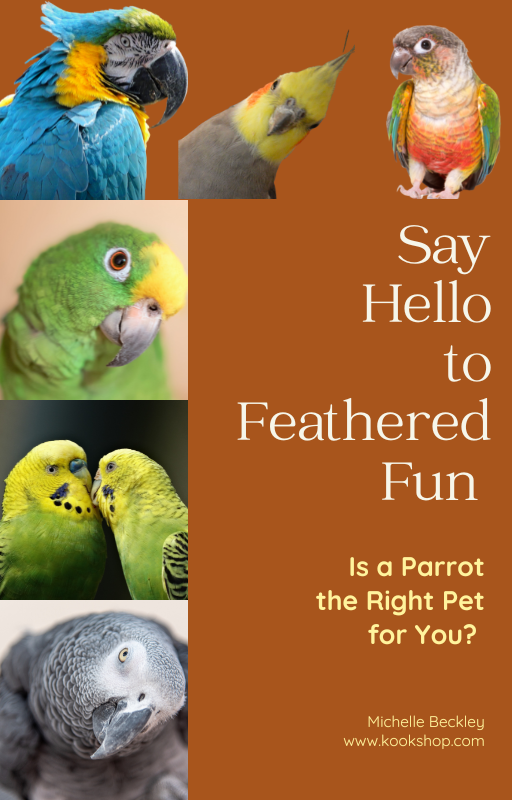
Say Hello to Feathered Fun - Is a Parrot the Right Pet for You?
Parrot Behavior Consultation
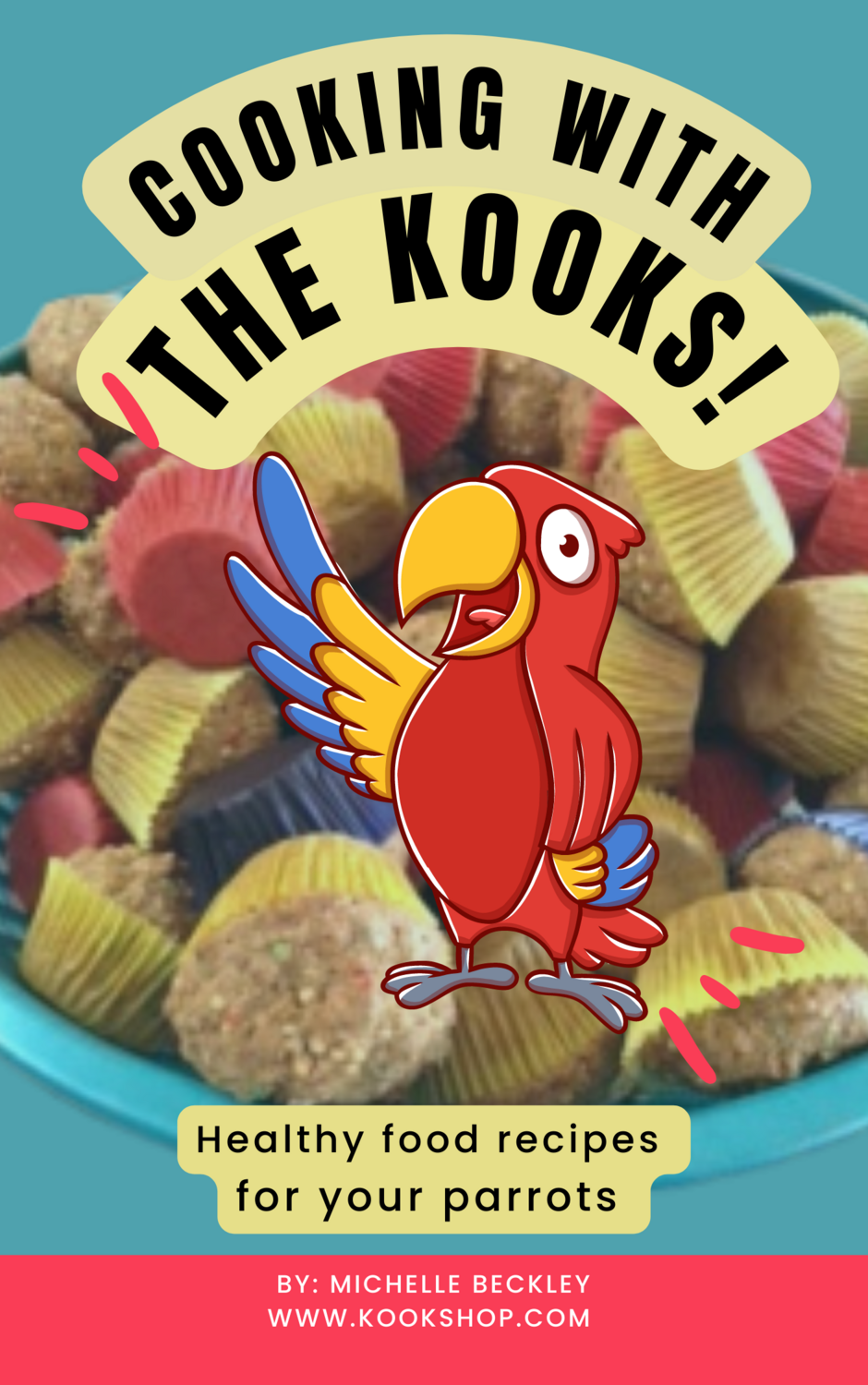
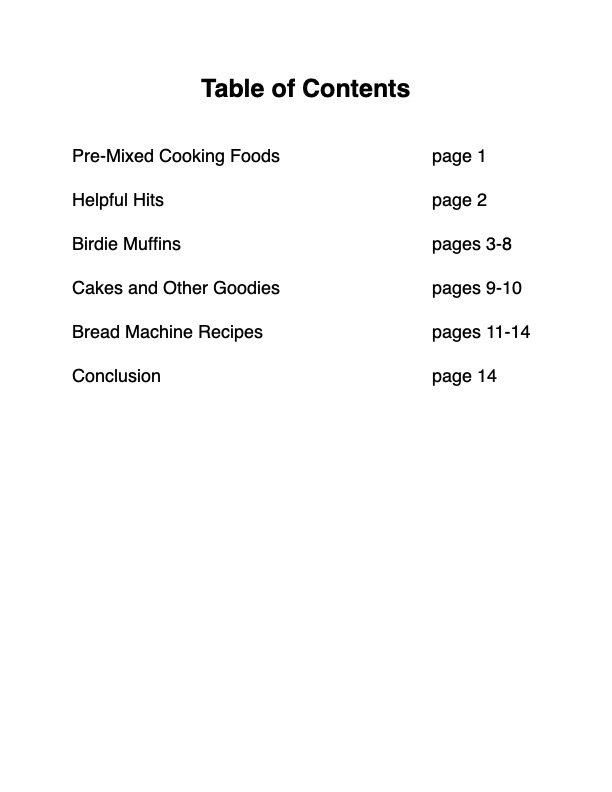
Cooking with the Kooks - Healthy Food Recipes for Your Parrots!
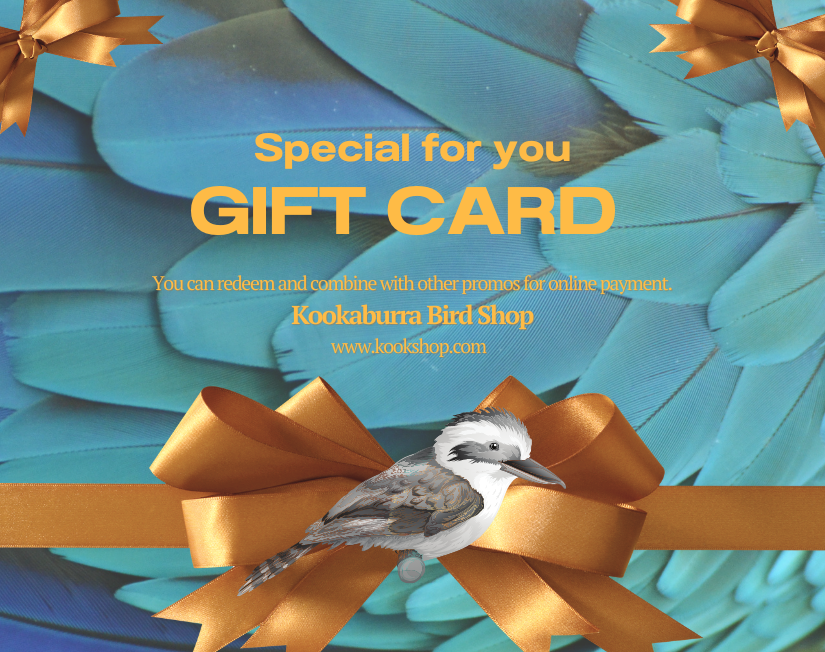
Gift Card
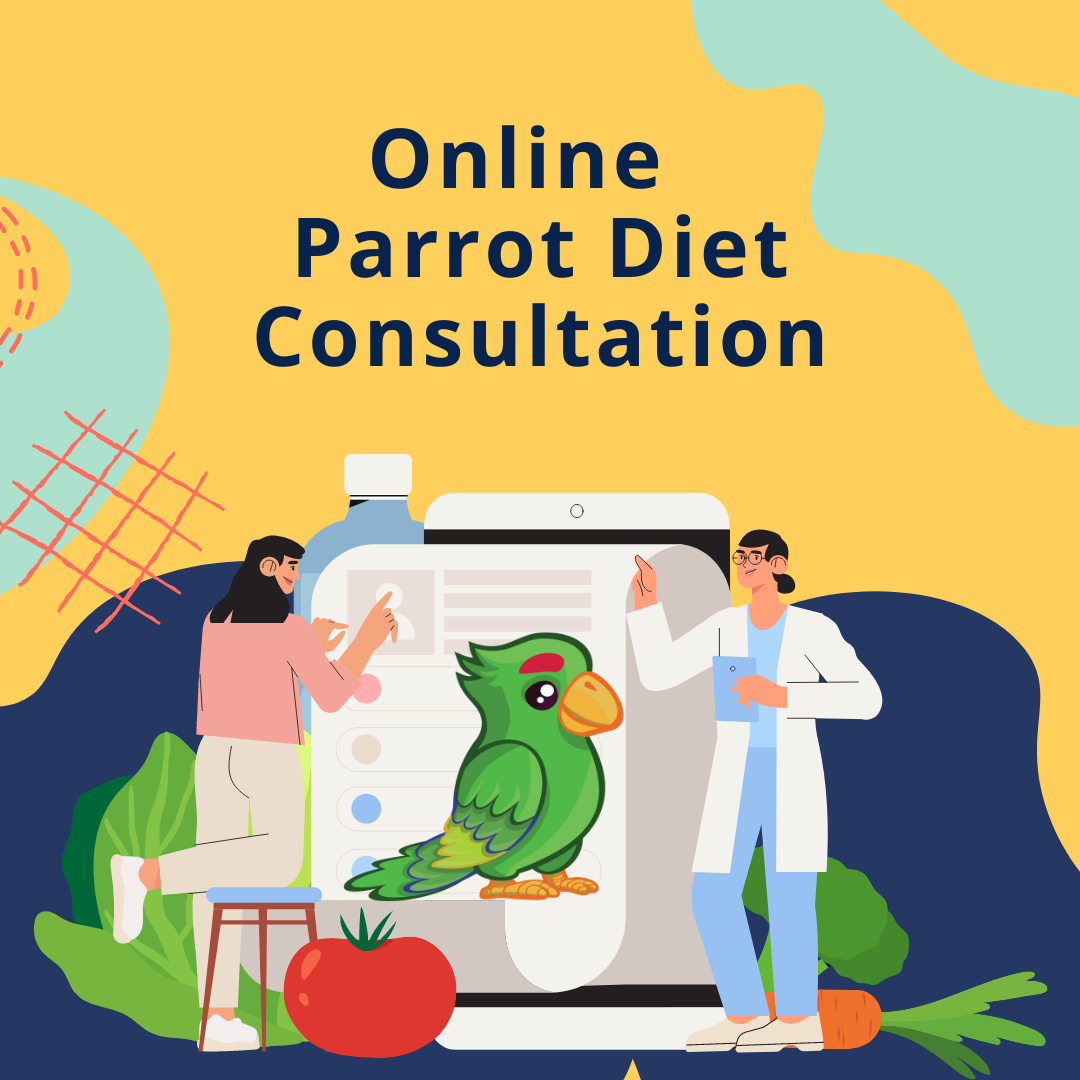
Parrot Diet Consultation
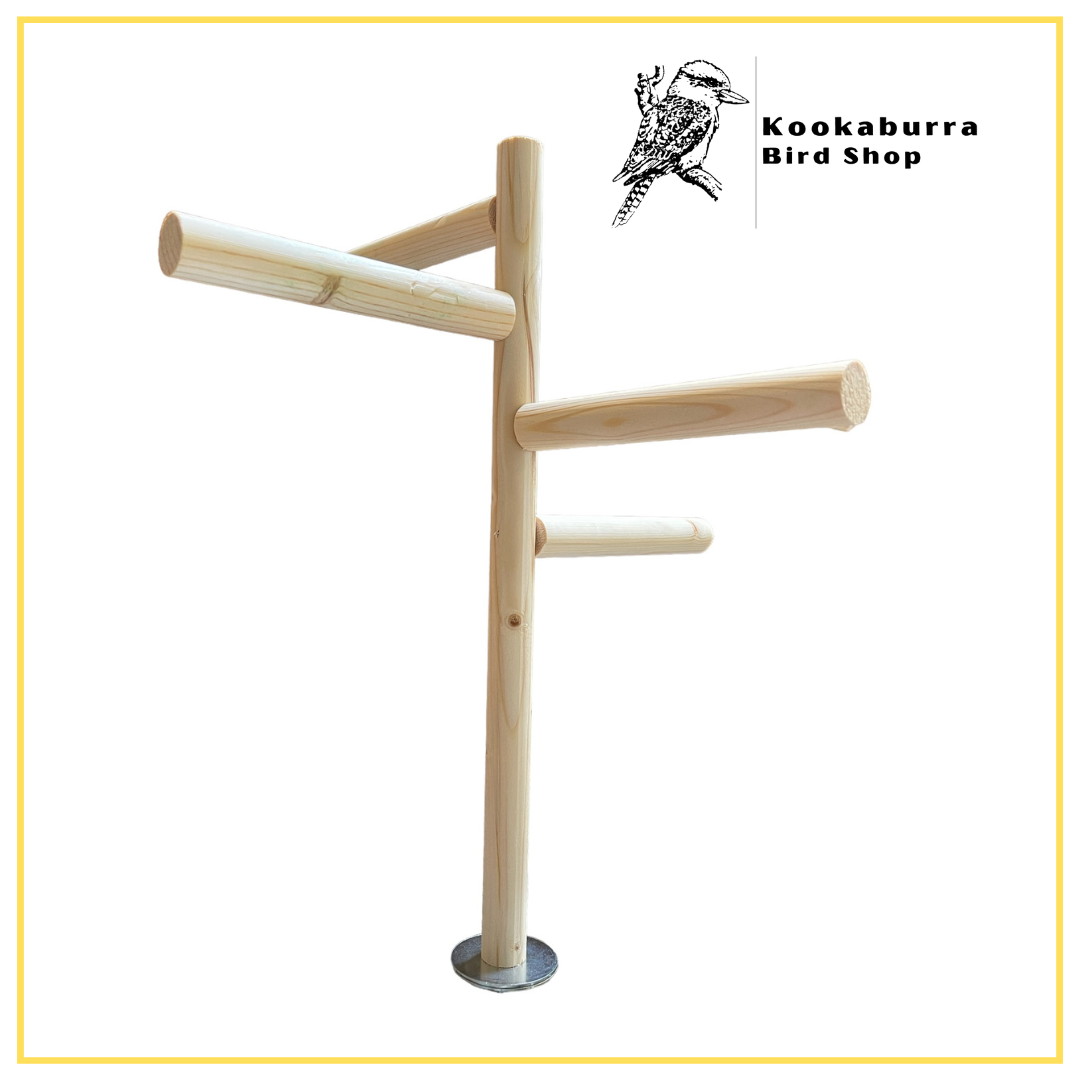
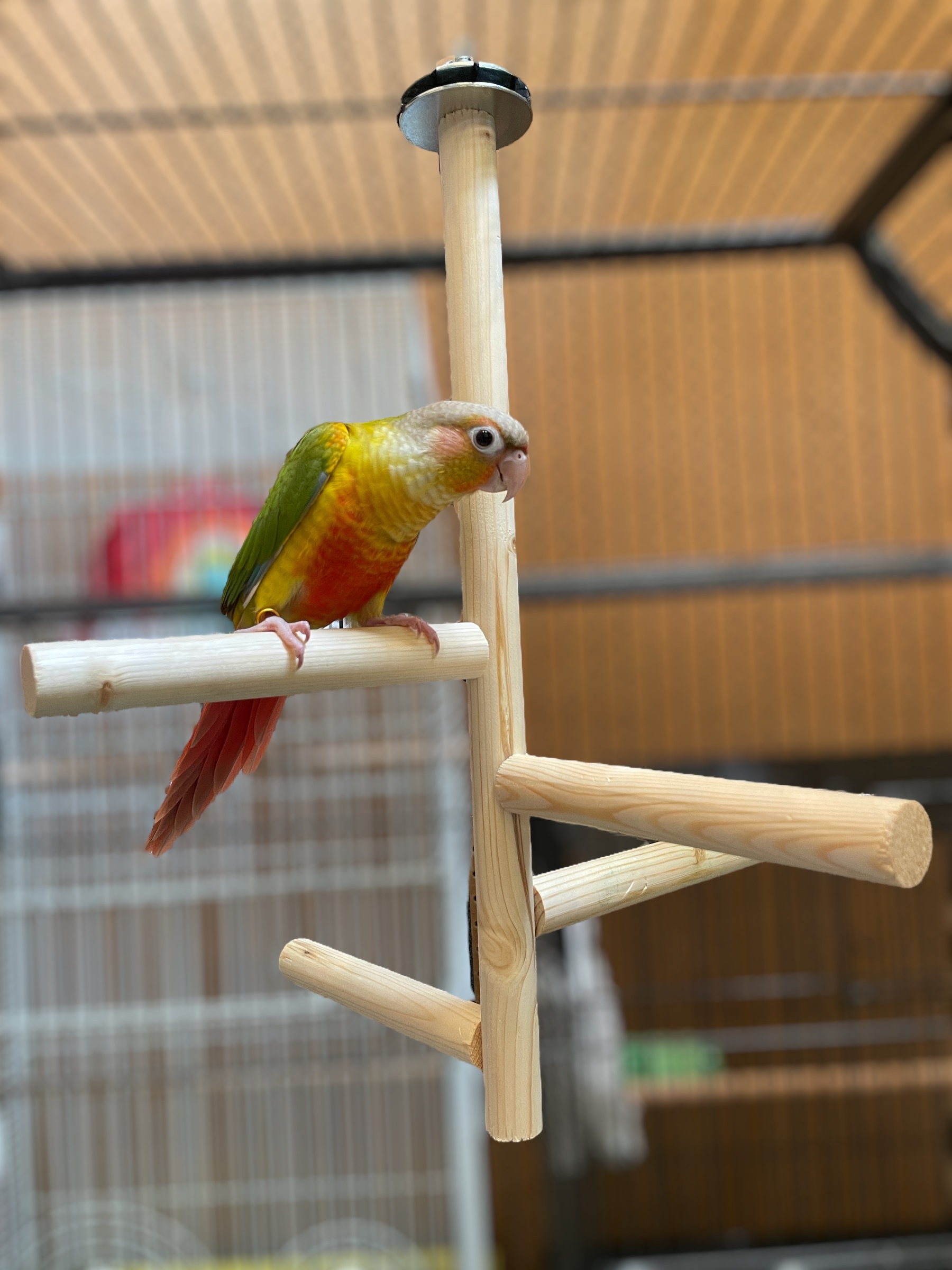
Rodeo Ceiling
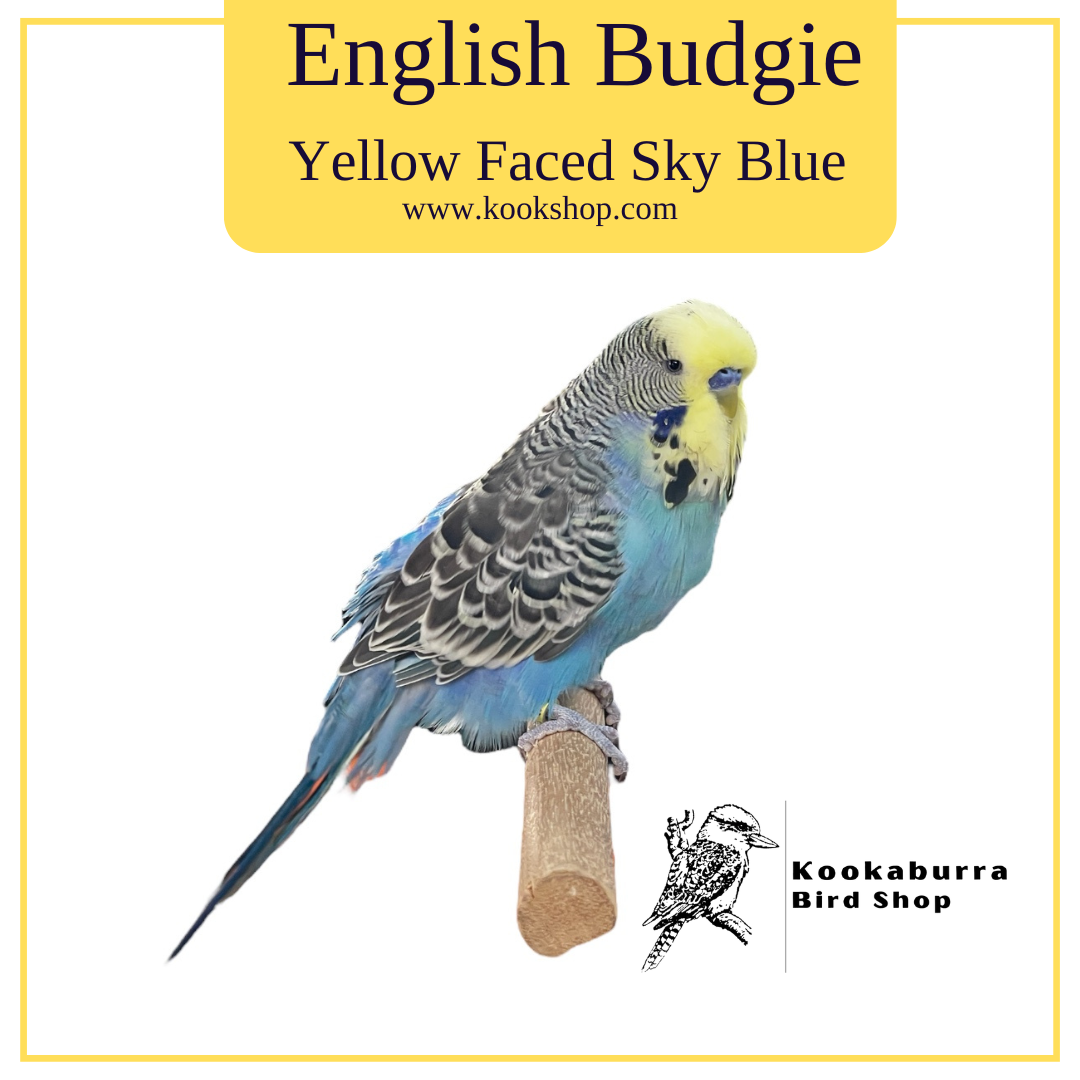
English Budgie (Yellow Faced Sky Blue)
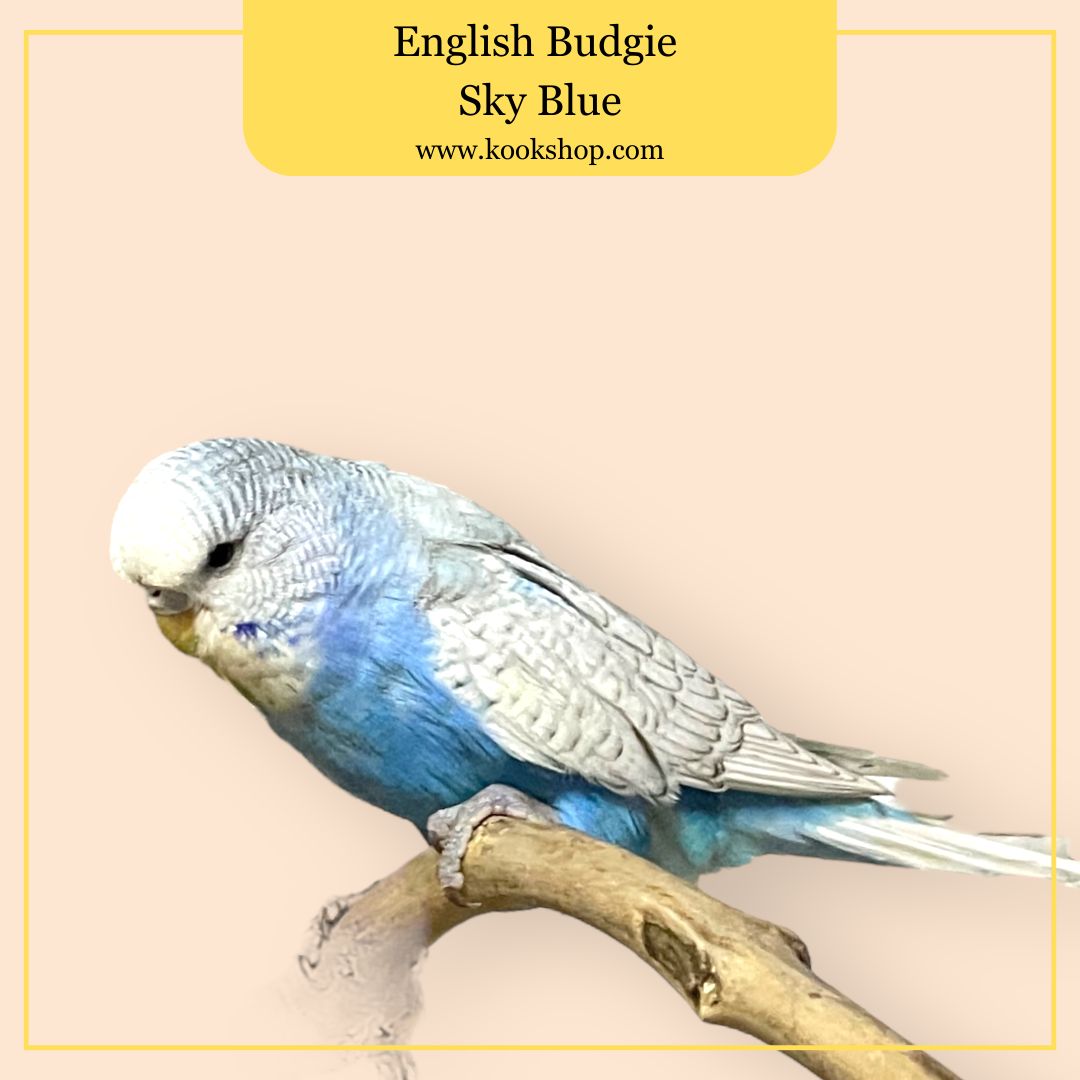
English Budgie (Sky Blue Pied)
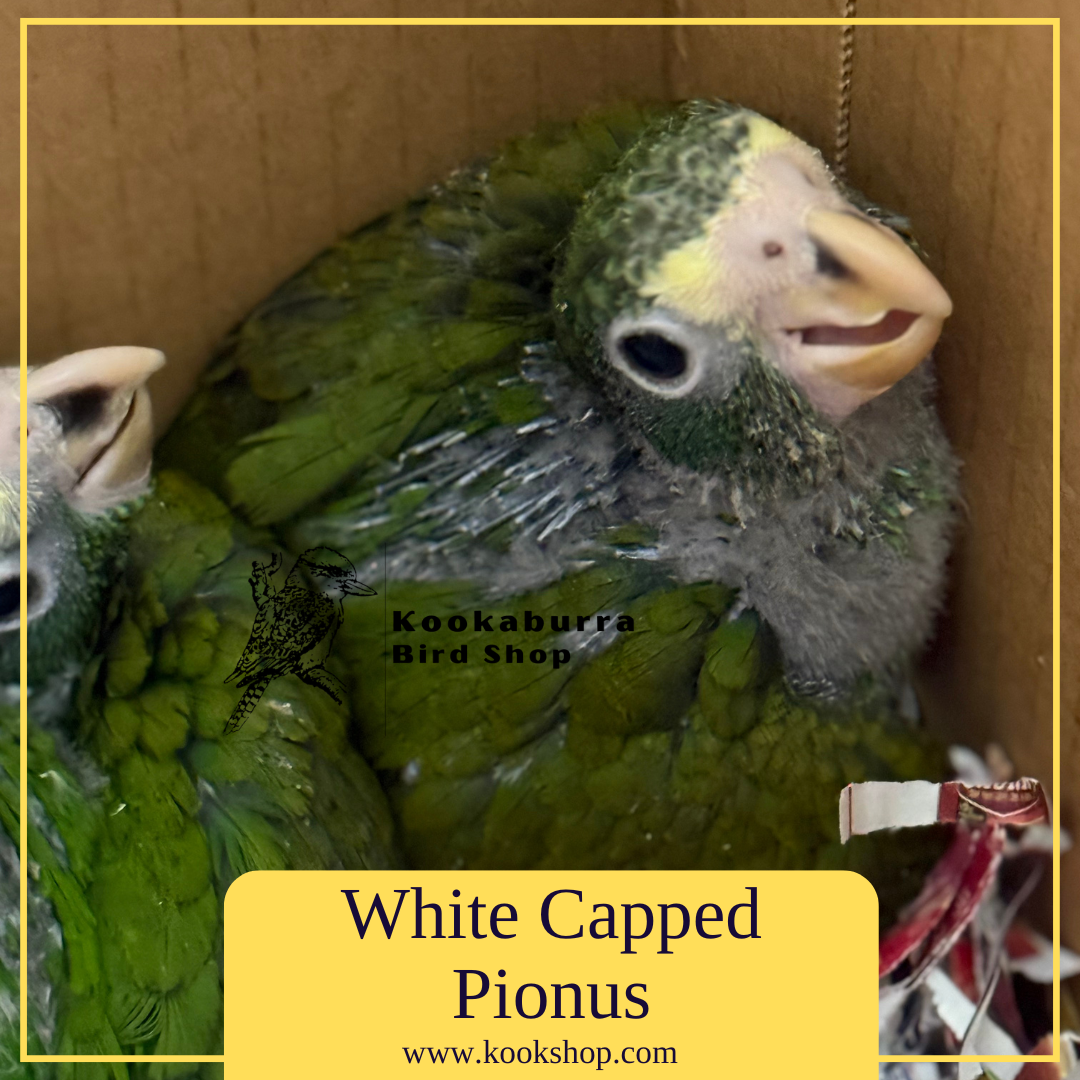
White Capped Pionus
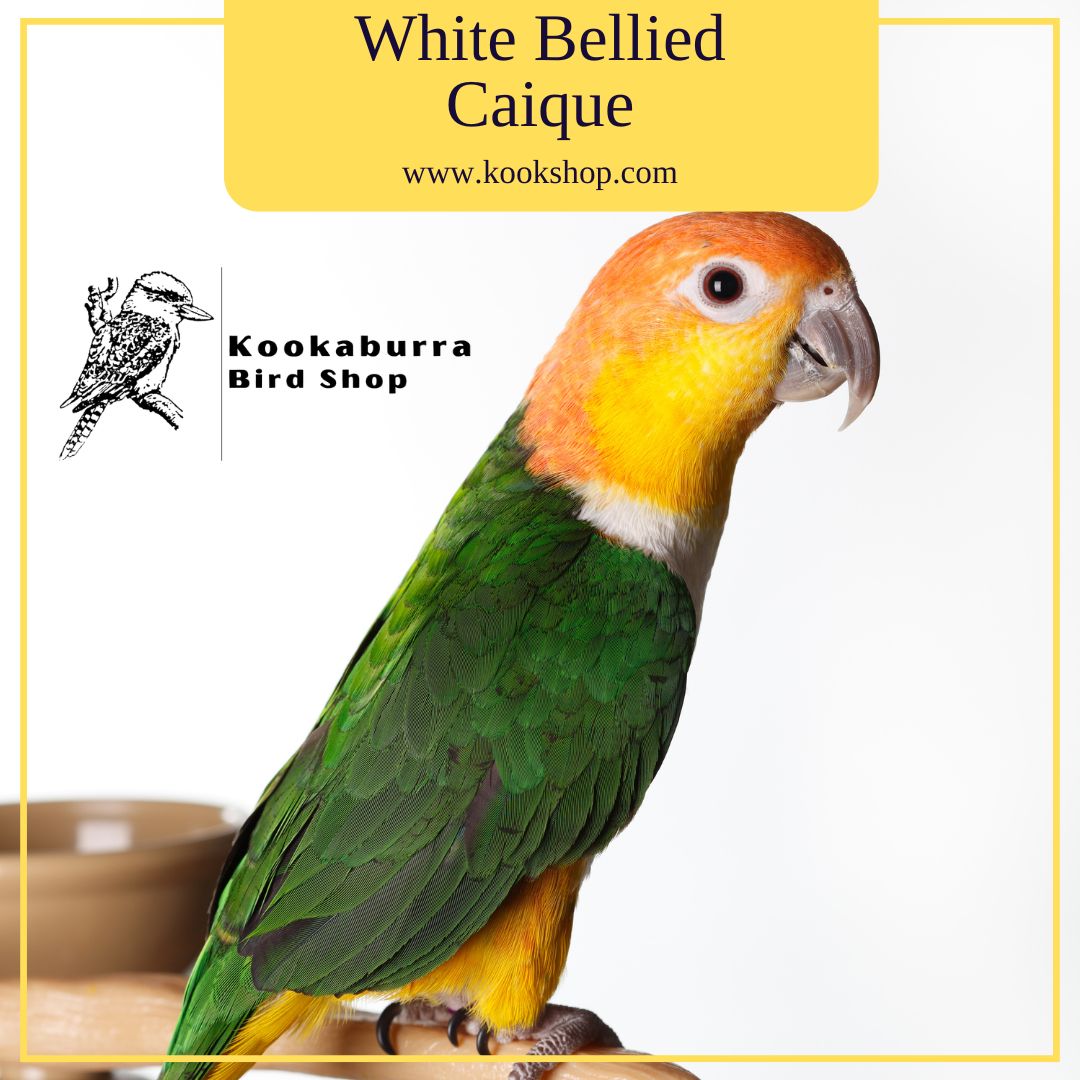
White Bellied Caique
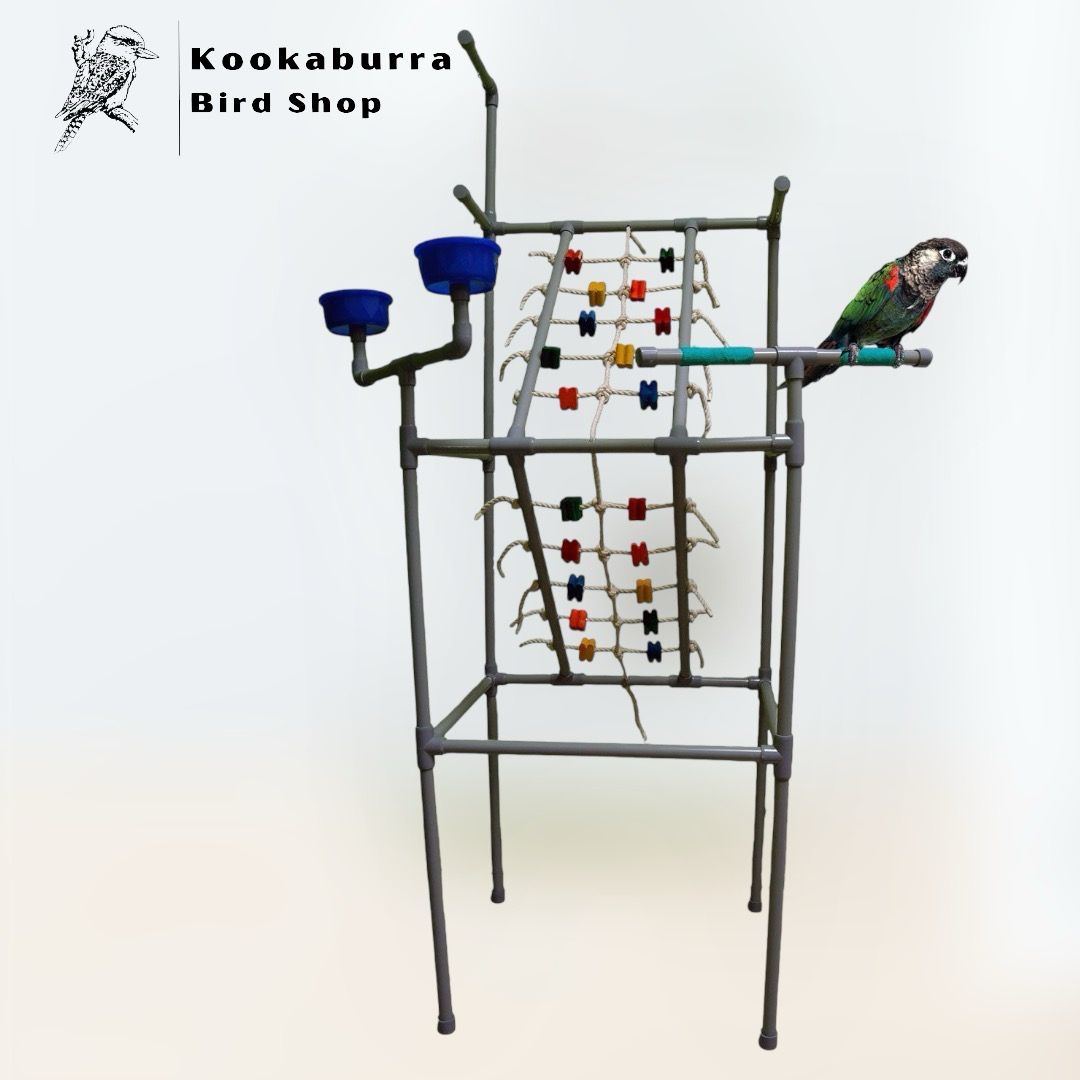

Small Playgym (18" x 21" x 61")
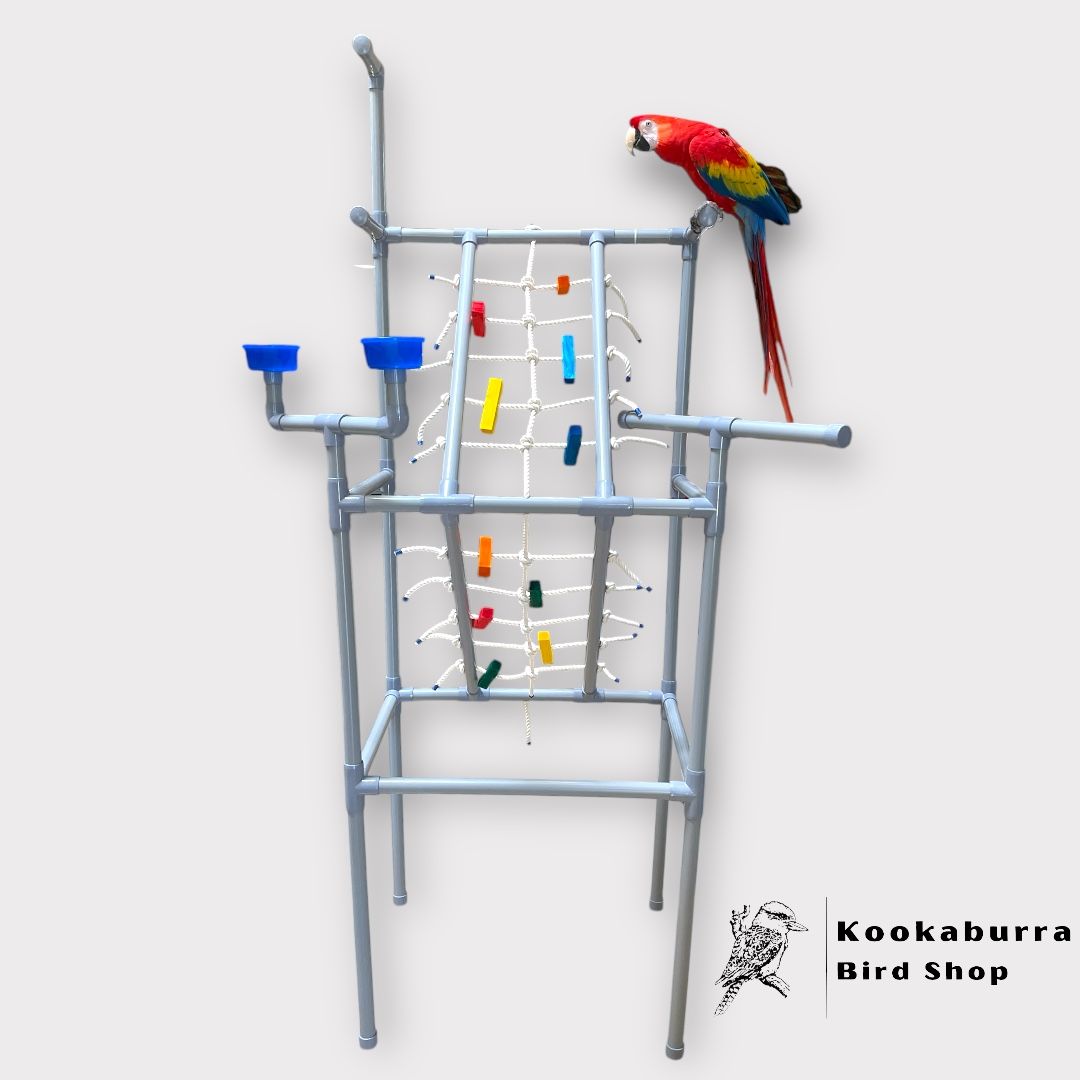
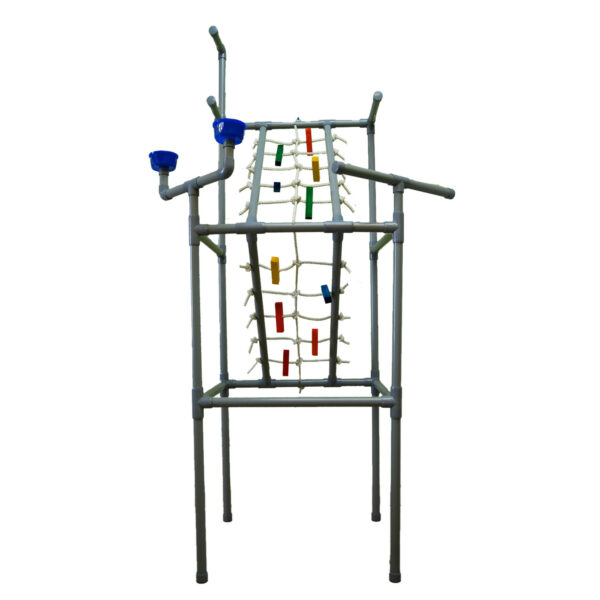
Medium Playgym (24" x 28" x 82")
Learn fascinating facts about Quaker Parrots in this enjoyable read! Discover captivating details about these plucky birds that will surprise and delight you.
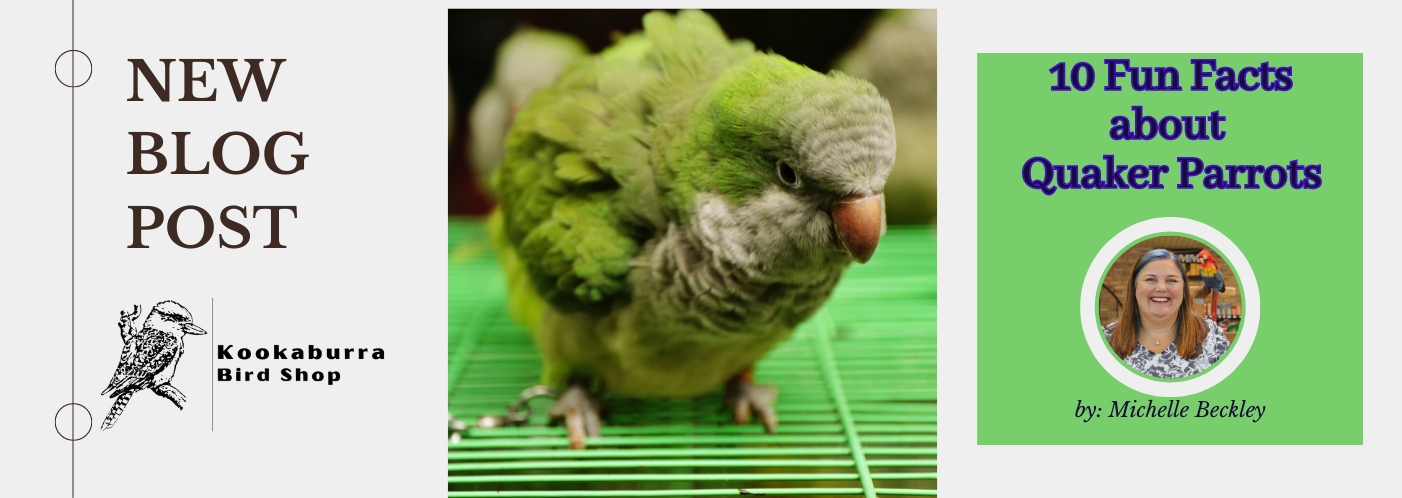
Quaker parrots, also known as monk parakeets, are small, social, and intelligent birds that make great pets. They are known for their bright green plumage and their playful and curious nature. In this blog post, we will explore 10 fun facts about these charming birds that every pet bird owner and bird lover should know.
1. Quaker parrots are the only parrots that build communal nests. They construct large, elaborate nests made of twigs and branches that can house up to 50 birds. These nests are often found in urban areas, particularly in telephone poles and power grids.
2. Quaker parrots can mimic human speech. While they might not be as talented as larger parrots like African greys and macaws, they have been known to learn a few words.
3. Quaker parrots can live up to 25 years in captivity with proper care. They require a balanced diet of fruits, vegetables, and pellets, as well as plenty of exercise and mental stimulation.
4. Quaker parrots are highly social and thrive in pairs or small flocks. They love to play and interact with their owners and can become incredibly affectionate.
5. Quaker parrots are illegal to own in some states in the US, including California, Kentucky, Pennsylvania, and Tennessee. It's important to check your local laws before getting a Quaker parrot as a pet.
6. Quaker parrots are curious and intelligent birds that require plenty of mental stimulation. They enjoy toys and puzzles that challenge their problem-solving skills.
7. Quaker parrots are native to South America but have been introduced to other parts of the world as pets or escaped pets. They are now considered an invasive species in some areas, including the United States, where they compete with native bird species for resources.
8. Quaker parrots have strong beaks that they use to crack open seeds and nuts. They also use their beaks to climb and play on toys.
9. Quaker parrots are known for their chatty and noisy nature. They can make a variety of vocalizations, including squawks, chirps, and whistles.
10. Quaker parrots can be territorial and may become aggressive towards other birds in their environment. It's important to provide them with plenty of space and toys to prevent boredom and frustration.
In conclusion, Quaker parrots are fascinating and entertaining birds that make great pets for bird lovers and pet bird owners. They are intelligent, social, and curious creatures that require plenty of care and attention. By understanding their unique characteristics and needs, you can provide them with a happy and healthy life as a beloved member of your family.
Yellow Sided Green Cheeked Conure
Opaline Green Quaker
Mexican Green Conure
Green Cheeked Conure
Turquoise Green Cheeked Conure
Half Moon Conure
Cinnamon Green Cheeked Conure
Green Quaker Parrot
Canary Wing Bee Bee
Rosey Bourke's Parakeet
Double Yellow Head Amazon
Cobalt/Violet Blue Indian Ringneck Parakeet
Sky Blue and White Pied Indian Ringneck Parakeet
Maroon Bellied Conure